-

What are the common diseases and pests in aquaculture? Detailed explanation of prevention and control methods
In July, air and water temperatures continue to rise, and aquaculture enters the peak production season. Aquatic animals feed and metabolize vigorously, and leftover bait, feces, and other waste can easily cause the concentration of organic matter and toxic and harmful substances such as ammonia nitrogen and nitrite in the aquaculture water to exceed standards. The dissolved oxygen content in the water is low, affecting
-
Detailed Guide to Symptom Identification and Control Methods for Apple Moldy Core
Apple moldy core is also called core rot, moldy rot, red rot, fruit rot, etc. The symptoms mainly damage the fruit, especially an important fruit disease of Delicious strain varieties and Fujin, Luxiang, etc. bred using Delicious strain varieties as parents. Its symptoms appear in 2 types. (1) Moldy
-
Walnut Leaf Webber Pest: Symptom Identification and Control Methods
1. Distribution and damage symptoms. It is a major leaf-eating pest of walnut, distributed in North China, Northwest China and Central-South China. The larvae bite and feed on walnut leaves, and when outbreaks are severe they can strip all the leaves from the entire tree. 2. Morphological characteristics and life habits. It belongs to the order Lepidoptera, family Pyralidae, also known as the wood webworm, and the leaf-webber pyralid.
-
Characteristics of Walnut Powdery Mildew and a Detailed Guide to Its Prevention and Control
1. Distribution and Occurrence Characteristics It is one of the common and important diseases in walnut-producing regions across our country. The disease severely affects the yield and quality of walnuts in the current year and the tree vigor in the following year, causing great damage. The pathogen overwinters as cleistothecia on fallen leaves or diseased shoots. The following spring, as temperatures rise and rain occurs, the cleistothecia
-
Occurrence Characteristics and Control Methods of Walnut Canker
1. Distribution and occurrence characteristics. It is distributed in most walnut-producing areas. The pathogen mainly overwinters as mycelium within the diseased tissue of the current year. In April of the following year, when the temperature rises to 11.4-15.3°C, it begins to become active. In late May, conidia are formed in large numbers and spread by wind, rain, and other means, mostly invading through wounds
-
Symptom Identification and Control Methods of Walnut Rot Disease
1. Distribution and occurrence characteristics. Also known as black water disease, it occurs in Henan, Shanxi, Shandong, Sichuan and other places. The pathogen overwinters in the diseased parts as mycelium or stroma and pycnidia. After the sap of the walnut tree begins to flow the following spring, when suitable conditions for disease development occur, conidia are produced,
-
Symptom Identification and Control Methods of Walnut Bacterial Blight
1. Distribution and Occurrence Characteristics Widely distributed in walnut-producing areas such as Hebei, Shandong, Shanxi, Liaoning, Henan, Jiangsu, Zhejiang, Sichuan, Yunnan, Shanxi, and Gansu, with severe incidence in some areas. Infection generally begins in mid-to-late May. The pathogenic bacteria overwinter in the lesions of diseased branch tips or in diseased buds. In the spring of the following year, the bacteria spread by wind and rain splashing onto leaves, fruits, and young branches, causing damage. The pathogen can infect floral organs, so pollen can also carry the bacteria, and insects are also vectors. The bacteria invade through stomata, lenticels, nectaries, and various wounds. Under conditions of sufficient humidity, temperatures within the range of 4-30°C can cause infection of leaves, and 5-27°C can cause infection of fruits. The incubation period varies in different parts: 5-34 days on fruits and 8-18 days on leaves.
-
What Are the Symptoms of Walnut Anthracnose? A Detailed Guide to Prevention and Control Methods
1. Distribution and occurrence characteristics Walnut anthracnose generally occurs mostly from June to August, with slight variations from place to place. In Jiangsu, Henan and Shandong it occurs from late June to early July, and in Hebei and Liaoning in August. The pathogen overwinters as mycelium and conidia in diseased fruits, diseased leaves or bud scales, and the following
-
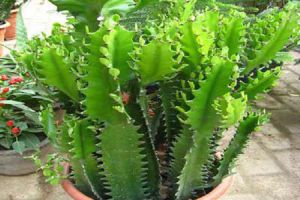
What are the pest and disease control methods for the dragon bone flower?
As an affordable and attractive flower, the dragon bone flower (Euphorbia tirucalli) is hugely popular, and leaving it indoors for long periods also helps clean the air. Many plants are accompanied by diseases and pests, so if the dragon bone flower runs into these problems, how should they be dealt with?
-
A Detailed Explanation of the Causes and Control Methods of Orchid Two-Rot Disease
Two-rot means soft rot and stem rot. Soft rot starts rotting from the new shoot, while stem rot starts rotting from the old shoot. In my personal opinion, there is no essential difference between soft rot and stem rot. The difference lies in the fact that a plant with stem rot is beyond saving, while a plant with soft rot sometimes does not suffer total wipeout, but this is only the surface appearance. The occurrence of stem rot comes down to a few causes. One: the plant itself...
条件筛选