-
Reasons for moldy roots in Phalaenopsis orchids: can you spray carbendazim?
Phalaenopsis orchids are elegant and beautiful, yet moldy roots often give growers a headache. Understanding the causes and mastering scientific treatment methods is the key to caring for Phalaenopsis. 1. Causes of moldy roots. 1. Overly wet potting medium: Phalaenopsis is an epiphytic plant, and its roots need air circulation and wet-dry cycles. If the potting medium holds water too strongly or watering is too frequent, it will cause
-

How to Treat Moldy Moss on Phalaenopsis and Tips for Judging Whether Soil Is Good or Bad
Many people think of going to the flower market to buy flowers during holidays, because growing flowers and plants not only beautifies a space, but is also a practice of cultivating one's character and emotions. When it comes to the most popular flowers in recent years, that is naturally the "Phalaenopsis," also praised among the people as the "Queen of Orchids." After blooming, it attracts attention because its flowers resemble dancing butterflies.
-
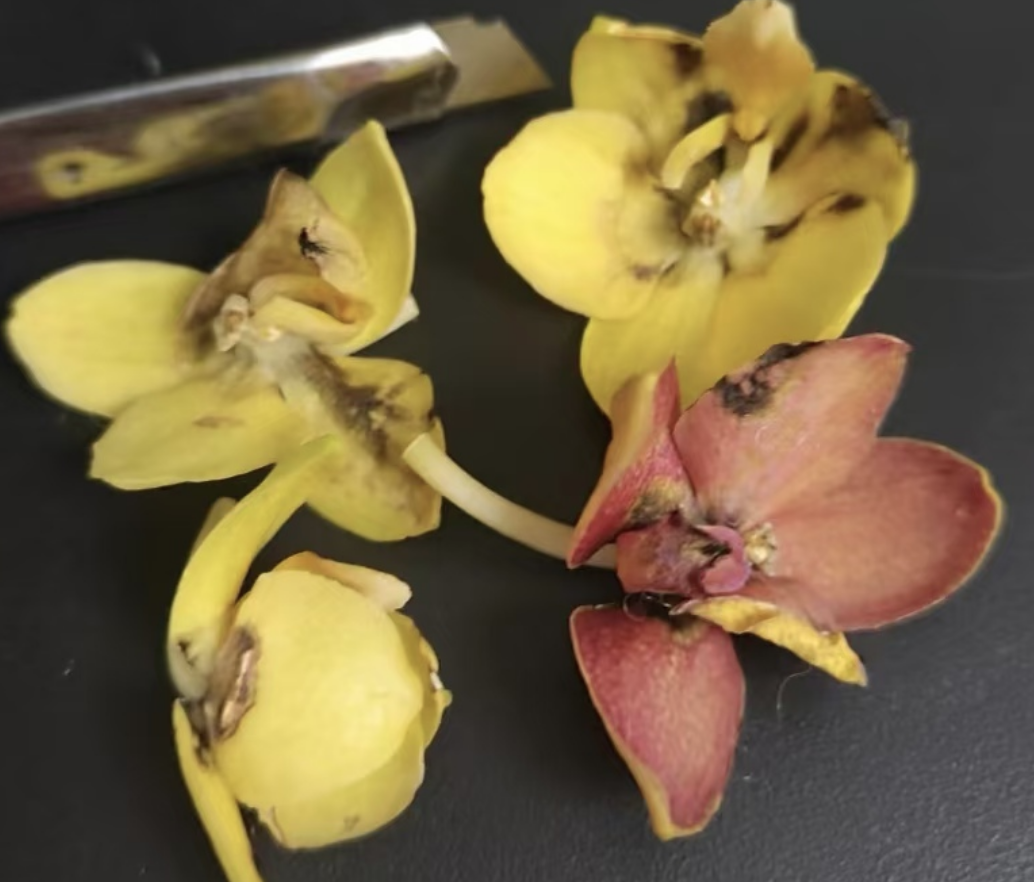
Should the moldy flowers of Phalaenopsis be cut off?
As is well known, the Phalaenopsis orchid has a long flowering period. If it is properly cultivated, a single flower can bloom for several months, or even more
-

How to deal with gray mold on Phalaenopsis flowers, should moldy flowers be cut off?
As everyone knows, Phalaenopsis has a long blooming period; with proper care, a single flower can bloom for several months, or even more than half a year, so it can truly be called a "flowering machine." For people who love seeing flowers but are too lazy to frequently swap out plants, Phalaenopsis is absolutely the first choice! However, on the road of plant care, many flower lovers run into all kinds of strange and varied problems.
-
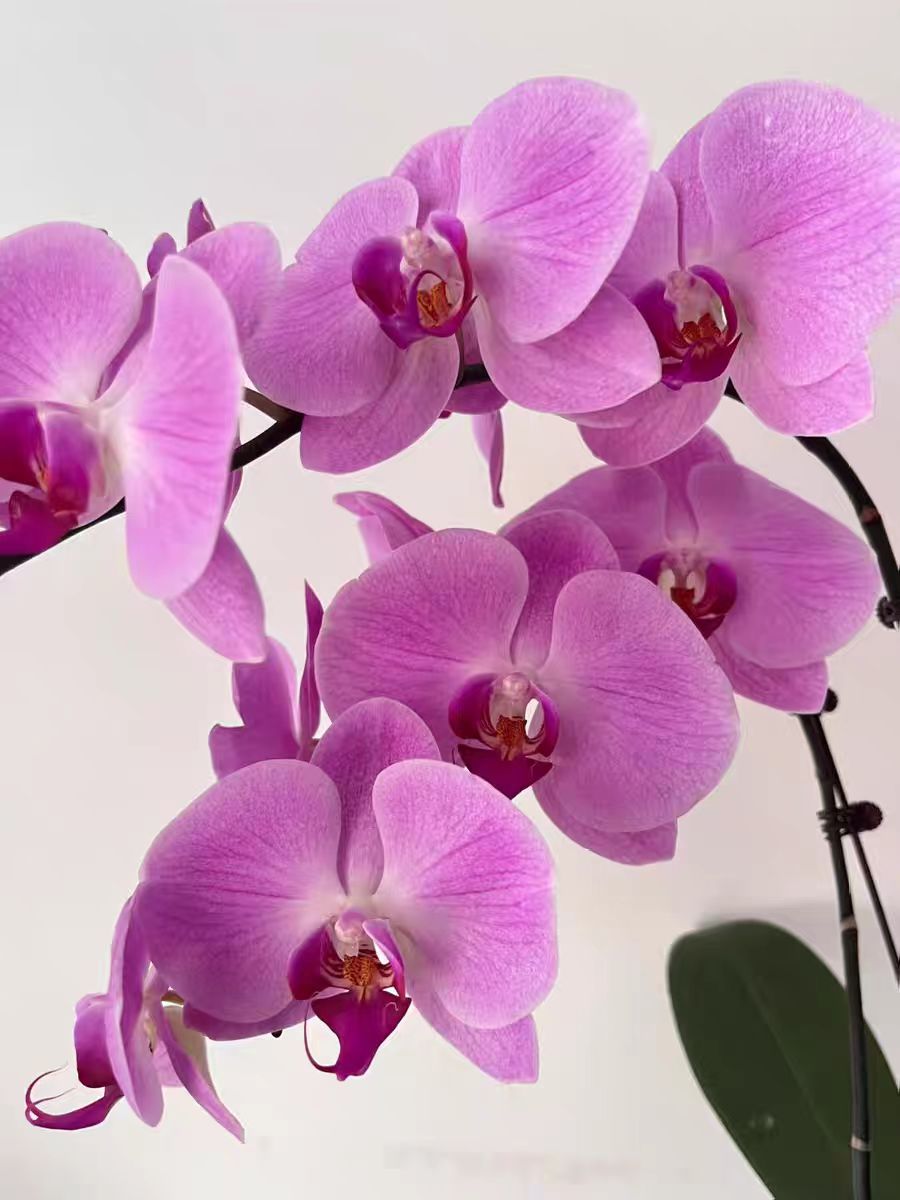
What should you do if the pine bark for Phalaenopsis orchids gets moldy?
Phalaenopsis orchids, known as the "Queen of Orchids," often pose a troublesome problem for many flower enthusiasts during the process of cultivation—the mold
-

Can Moldy Pine Bark for Phalaenopsis Still Be Used? Correct Handling Methods
When caring for Phalaenopsis, the hygiene of the potting medium is crucial to the plant's health. Pine bark, as a common potting medium for Phalaenopsis, is favored by orchid growers for its good water retention and air permeability and the nutrients it provides as it decomposes. When pine bark is found to be moldy, many orchid growers feel confused and worried. So,
-
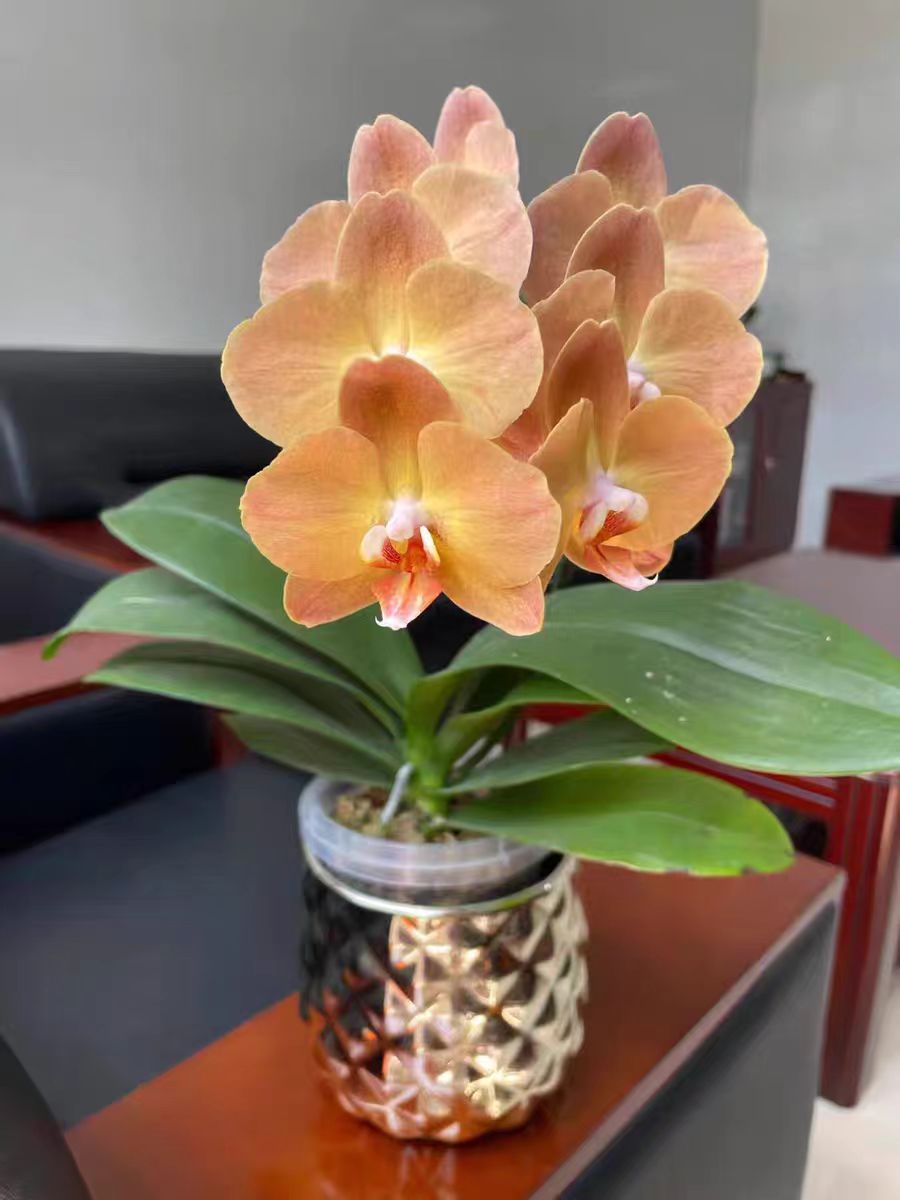
Can the pine bark used for Phalaenopsis still be used when it gets moldy?
During the process of maintaining Phalaenopsis, the hygiene condition of the planting medium is crucial to the health of the plant. Pine bark, as a common
-
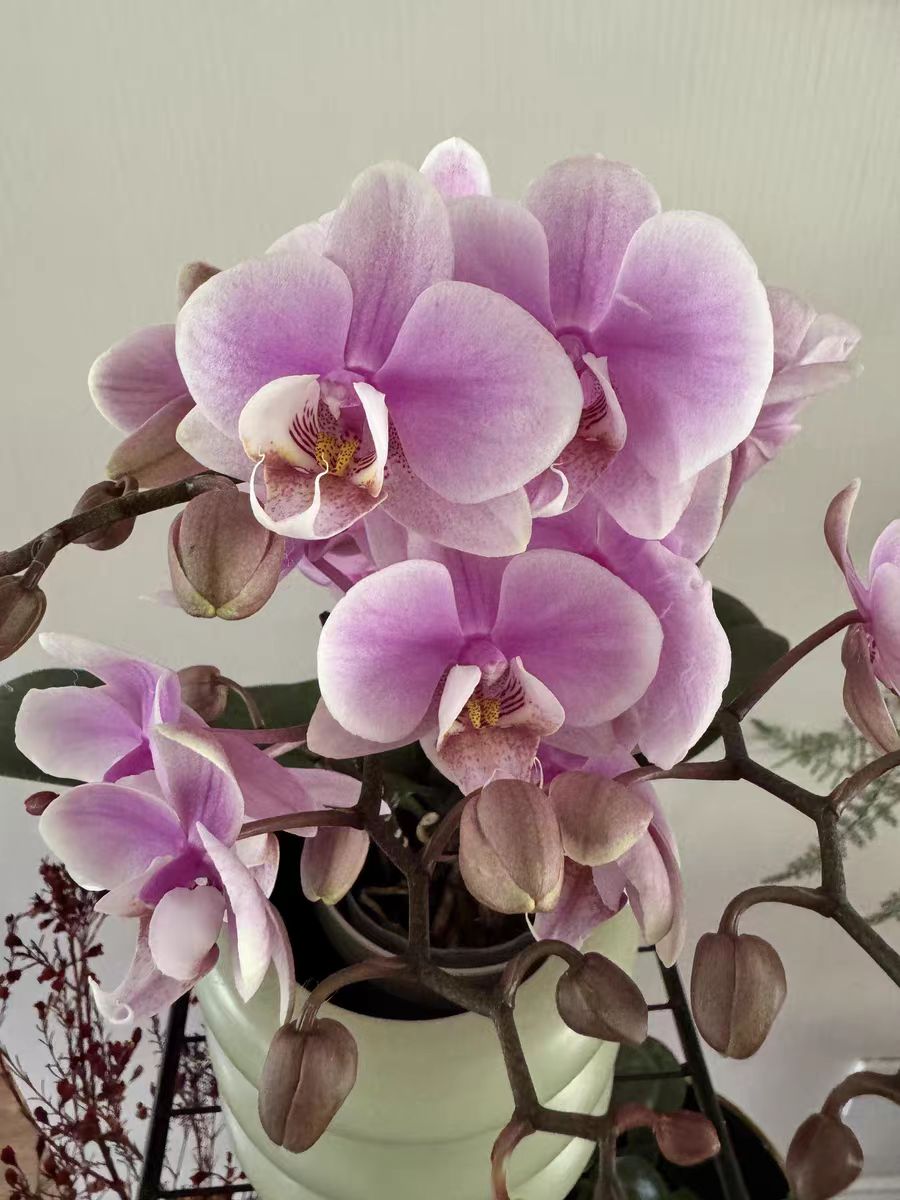
What should I do if the roots of the phalaenopsis orchid used for inducing roots are moldy?
During the maintenance process, many flower enthusiasts will encounter the problem of moldy roots of phalaenopsis orchids. This not only affects the appearance
-

How to Simply Treat Moldy Roots When Propagating Roots of Phalaenopsis (Moth Orchid)?
During care, many flower enthusiasts encounter the problem of moldy roots on Phalaenopsis orchids, which not only affects the plant's appearance but may also pose a threat to its health. So, when facing moldy Phalaenopsis roots, how should we handle it? The causes of moldy Phalaenopsis roots are varied, mainly including overwatering, substrate
-

How to rescue a Phalaenopsis orchid with moldy, rotting roots?
With Spring Festival approaching, the stalls surrounded by crowds at the flower market are mostly those specializing in Phalaenopsis orchids. In recent years it has become a popular choice of flower because of its unique flower shape; once the blooms open they flutter like butterflies. However, although it is beautiful, during care it can easily bring troublesome problems to new flower lovers, such as
条件筛选