-

What causes miscellaneous bacteria contamination in edible fungi?
Causes of miscellaneous bacteria contamination in edible fungi
-
Bee Pesticide Mass Death 0817"Disaster expands, nearly half of beekeepers in Nantou affected, Bureau of Animal and Plant Health Inspection and Quarantine: should be drift contamination from pesticide spraying on betel nut
Bee Pesticide Mass Death 0817"Disaster expands, nearly half of beekeepers in Nantou affected, Bureau of Animal and Plant Health Inspection and Quarantine: should be drift contamination from pesticide spraying on betel nut
-
Analysis of the Causes of Contaminant Microorganism Contamination in Edible Mushroom Spawn Production
Causes of Contaminant Microorganism Contamination When Making Edible Mushroom Spawn
-
Mastering contamination prevention management and topdressing methods for edible mushroom spawn
Strengthen management measures to reduce contamination of edible mushroom spawn
-
Edible mushroom disease prevention and control methods: strict contamination prevention when culturing spawn
Edible mushroom spawn culture: strict contamination prevention
-
How to prevent contamination in mushroom spawn production? Mastering cultivation techniques is key
How to prevent contamination in mushroom spawn production
-
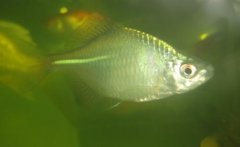
Is aromatic hydrocarbon toxic? Effects on fish and whether contaminated fish can be eaten
The explosion at the No. 3 aromatic hydrocarbon plant of the Sixth Naphtha Cracker Complex in Mailiao Township has caused anxiety among residents near aquaculture fish ponds, who worry that their catch may be contaminated. On the 15th, scholars from the College of Public Health at National Taiwan University, who have long studied pollution issues related to the Sixth Naphtha Cracker Complex, together with the Institute of Toxicology, and the Changhua and Taixi experimental stations of the Fisheries Research Institute, went to 18 fish ponds in Changhua and Yunlin to take samples, hoping to understand the scope and extent of the explosion's impact.
-
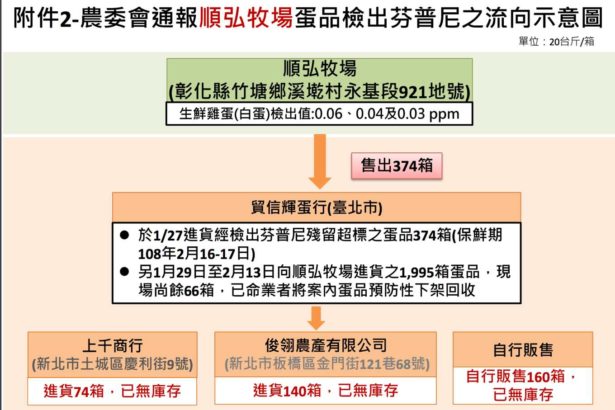
Fipronil Pesticide Egg Contamination Strikes Again! Changhua Shunhong Farm Found with 3 Non-Compliant Samples, Products Sold to Taipei and New Taipei, Affecting Breakfast Vendors
Fipronil Pesticide Egg Contamination Strikes Again! Changhua Shunhong Farm Found with 3 Non-Compliant Samples, Products Sold to Taipei and New Taipei, Affecting Breakfast Vendors
-
What are the causes of contamination in Lingzhi (Ganoderma) spawning?
1. Damage contamination (1) Container damage: mechanical damage caused by failure to handle with care during filling, sterilization, inoculation, transport and cultivation. (2) Air-pocket damage: rapid heating, pressure rise or rapid cooling during sterilization; excessive exhaust speed, causing bags to swell with air and rupture. 2. Cotton plug contamination (1) Cotton plug contamination: the test tube mouth is stained with culture medium or the bottle (bag) mouth is not clean, or the culture medium comes into contact with the cotton plug. (2) Cotton plug dampened: improper stacking during sterilization, too much water added, or unreasonably built sterilization stove, or culture
-
How to prevent and control green mold contamination in mushroom cultivation?
In production, strictly avoid applying excessive formaldehyde in the inoculation box or inoculation room, so as to prevent formaldehyde from turning into formic acid and forming an acidic environment. Lime powder should be spread around the culture room, and any spawn found contaminated by green mold should be dug out promptly. After sowing, check the spawn blocks in time; if green mold contamination is found, immediately dig it out and replace it with new spawn blocks. Choose to cultivate in low-temperature and dry seasons as much as possible to reduce disease incidence. During the mycelium healing stage, cover with plastic film, ventilate moderately, and pay attention to lowering the temperature. In the later stage, the plastic film must not be lifted too early, to prevent the healing spawn blocks from being attacked. When green mold appears on the spawn blocks, promptly scrub with 40% sulfur-polycarbamate suspension concentrate or 50% carbendazim wettable powder 800-fold solution.
条件筛选