What are the cultivation methods and precautions for purple coneflower?
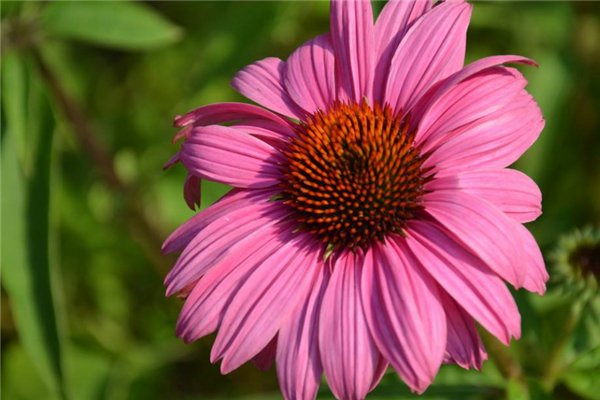
Purple coneflower is not an edible fruit, but a kind of chrysanthemum. They are very cold-hardy and can survive winter outdoors even in the north. The petals are deep pink, and the flower center is a brownish orange-yellow; the combination of the two colors has a very vintage beauty. It is neither delicate and gaudy nor plain and dull, like old wine aged for many years or an old photograph kept for a long time, growing ever more beautiful with the passage of time. So how should they be cared for? Let's take a look.
Cultivation methods and precautions for purple coneflower
Growth habits
Chrysanthemums basically all love light, and this purple coneflower is no exception; it loves light and tolerates drought. If the temperature is not sufficient, it definitely cannot reach its best condition. They are not particular about soil either, but if sown in slightly more fertile soil, they will naturally grow better, and their flowers will be larger and more vivid, very beautiful. The suitable temperature is 16-24°C, and at night it should also be above 10°C.
Care essentials
Light
As mentioned above, they rather like sunlight and can adapt to dry conditions. Their most comfortable light duration is 14-16 hours per day, so they are very suitable for gardeners living a bit farther south to plant, and it is best if there are seven to eight weeks of high-intensity light. However, if planted in the north, they generally bloom only in May, but can last until September.
Fertilizing
After purple coneflower has been planted out, fertilizer can basically be applied once or twice a week, and magnesium should also be supplemented in a timely manner, which can prevent problems caused by unbalanced nutrition. In addition, a certain amount of slow-release fertilizer can be added at planting time, which allows them to grow better within 3-5 months without lacking nutrients.