-

Several Suggestions for the Comprehensive Utilization of Spent Mushroom Substrate
Several Suggestions and Recommendations for the Comprehensive Utilization of Spent Mushroom Substrate
-
What are the comprehensive utilization methods for spent mushroom substrate residue?
Comprehensive Utilization of Spent Mushroom Substrate Residue
-
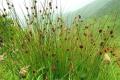
What are the uses of reeds? A comprehensive analysis of their utilization value
What are the uses of reeds?
-
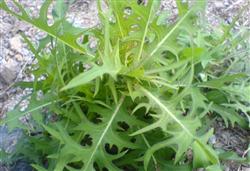
Detailed Explanation of Cultivation Techniques and Comprehensive Utilization Methods of Wild Lettuce
Wild lettuce, also known as mountain lettuce, bitter chicory, and duck feed, is a herbaceous plant of the Asteraceae family, growing by roadsides, in wilderness, and on hillsides. Its seedlings and tender stems and leaves are suitable for eating, and it is a wild vegetable with development value. 1 Botanical characteristics and biological traits: A biennial herbaceous plant, with white milky sap, 80-150 cm tall. Stem erect,...
-
Pilot Plan for Comprehensive Utilization of Agricultural Solid Waste Launched First in Shizhong District, Leshan City
Shizhong District of Leshan City Takes the Lead in Launching the Comprehensive Utilization Plan for Agricultural Solid Waste
-
Comprehensive Utilization Techniques for Fish Fingerling Ponds During the Winter Fallow Period
Using Winter-Fallow Fingerling Ponds to Raise Marketable Fish Raising a crop of marketable fish in winter-fallow fingerling ponds can both increase production and help regulate the "summer shortage" in the aquatic product market. Because the rearing period is relatively short and temperatures are low, the following techniques should be adopted: 1. Stock early, that is, stock immediately after the fingerlings are concentrated in ponds, so as to make full use of the growing period. Based on a maximum water depth of 2 m, the usual stocking rate is 125-150 kg per mu. The usual stocking ratio is about 40% silver carp, about 10% bighead carp, about 30% grass carp and bream, and about 20% black carp and common carp. Stocked fish
-
What are the comprehensive utilization methods for fish processing by-products?
The fish heads, tails, minced meat, scales, skin, viscera, bones, and gall bladders left over from fish processing contain large amounts of protein, amino acids, trace elements, and vitamins. Using these protein resources, various deeply processed products can be made, including soluble edible fish protein powder, liquid fish protein feed, fish scale glue, fish skin glue, bone paste, fish protein calcium candy, bile pigment calcium salt, and bile salts. Comprehensive utilization of fish processing by-products can lower the cost of main products and increase the added value of aquatic products; it can also protect the environment, reduce wastewater and waste emissions, and achieve higher economic, ecological, and social benefits.
-
Comprehensive Utilization Methods of Fish Fingerling Ponds During the Winter Fallow Period
Raising market-size fish: Using winter-fallow fingerling ponds to raise one season of market-size fish can both increase production and help ease the "summer shortage" in the aquatic product market. Because the rearing period is relatively short and temperatures are relatively low, the following techniques should be adopted: 1. Stock early, that is, stock immediately after the fingerlings are combined into ponds, so as to make full use of the growing period. Stocking rate is calculated at a maximum water depth of 2 m, generally 125-150 kg per mu. The stocking ratio is generally about 40% silver carp, about 10% bighead carp, about 30% grass carp and bream, and about 20% black carp and common carp.
-
NDRC Accelerates the Comprehensive Utilization of Crop Straw to Promote Industrial Development
Notice on Further Accelerating the Comprehensive Utilization of Crop Straw and the Prohibition of Open Burning Fa Gai Huan Zi [2015] No. 2651 Development and Reform Commissions (Economic and Information Commissions), Finance Departments (Bureaus), and Agriculture (Animal Husbandry, Rural Economy) Departments (Commissions, Bureaus) of Provinces, Autonomous Regions, Municipalities Directly under the Central Government, and Cities with Independent Planning Status
-
China accelerates the comprehensive utilization of sericulture resources
Recently, the reporter learned from the national on-site meeting on comprehensive utilization of sericulture resources held by the Ministry of Agriculture in Yizhou, Guangxi, that in 2014, the output value of diversified utilization of sericulture resources in China reached nearly 15.5 billion yuan, an increase of 59% over the 5.7 billion yuan in 2010. This indicates that China's sericulture industry is accelerating its leap from the traditional single-industry development model of "one cocoon" and "one thread of silk" to the diversified development model of "one mulberry field" and "a series of resources."
条件筛选