What are the uses of reeds? A comprehensive analysis of their utilization value
Traditional Chinese medicine says that every part of the reed is a treasure, offering many benefits for nurturing the body. Today let us take a look at what the uses of reeds are.
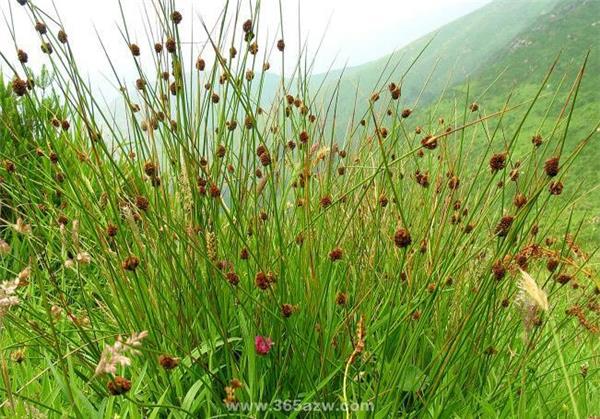
Uses of reeds:
1. Practical value: Reed stems contain cellulose and can be used to make paper and artificial fibers. In ancient times, reeds were woven into reed mats to cover kangs, roof houses, or build temporary structures. The hollow stems of reeds can be made into a musical instrument - the reed flute; the thin membrane inside the reed stem is used as the membrane for the flute; reed spikes can be made into brooms, and the catkins can be used to stuff pillows.
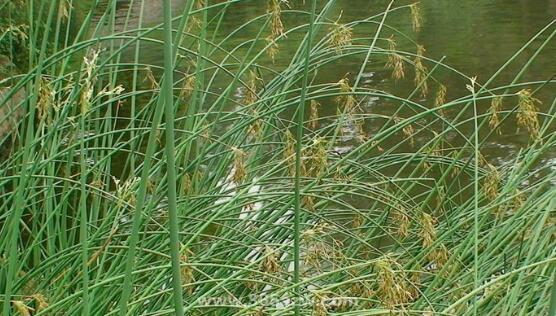
2. Landscape value: Planted by the lakeside in parks, they are especially beautiful during the flowering season. In parks in European countries, the elegant figures of reeds can often be seen. New varieties of reeds have been bred. They grow quickly. They are the first choice for scenic tourism, water surface greening, river channel management, water quality purification, swamp wetlands, landscaping projects, soil protection and embankment stabilization, and soil improvement.
3. Livestock value: Reed leaves, reed flowers, reed stems, reed roots, and reed shoots can all be used as medicinal herbs and excellent forage grass, with high feeding value. The tender stems and leaves are favored by various livestock. Most are used as grazing land, and some are used as mowing grassland or grazing. In addition to grazing use, they can be sun-dried into hay and silage. After ensiling, the grass is green in color and strong in fragrance; sheep like it very much, and cattle and horses also like it.
4. Medical value: The rhizome is called reed root. In traditional Chinese medicine it is used as medicine; it is cold in nature and sweet in taste, suitable for clearing stomach fire, removing lung heat, strengthening the stomach, stopping vomiting, and promoting urination. Reed stems and reed roots are even more important medicines in traditional Chinese medicine for treating warm diseases; they can clear heat and promote fluid production, and relieve restlessness and stop vomiting.
Efficacy of reed root
1. Treating bad breath
Reed root is cool in nature and can clear heat and remove fire. Reed root has a noticeable effect on bad breath caused by deficient fire. Reed root can be used together with Rehmannia and licorice. Reed root can make the decocted medicinal juice taste better and has an enhanced effect.
2. Anti-cancer
In recent years, because it was discovered that asparagine in reed root can effectively inhibit the growth and spread of cancer cells and can normalize cell growth, the value of reed root has multiplied.
3. Lung heat cough, lung abscess with pus vomiting
Reed root clears and drains lung heat and also can promote urination, allowing heat toxin to be discharged through urine, so reed root can treat lung heat cough with thick phlegm and lung abscess with coughing and vomiting of pus and blood.
4. Treating painful strangury with heat
Reed root has the function of clearing heat and promoting urination. Reed root can be used to treat painful strangury with heat and scanty dark urine, often combined with white cogongrass rhizome, plantain seed, and others.
5. Pufferfish poisoning
Reed root is used alone, pounded into juice, or combined with ginger, perilla leaf, and others, then decocted in water and drunk.
6. Clearing heat and promoting fluid production
Reed root can clear lung heat and transform turbid phlegm, and is used for lung heat cough caused by wind-heat invading the lungs, with thick phlegm that is difficult to expel. Reed root is sweet and can promote fluid production, and is cold in nature and can clear heat, so it can be used for those with excessive heat damaging fluids and thirst. If fresh reed root juice is used, the power to clear heat and promote fluid production is even greater.
7. Treating dry mouth and eyes
In treating dry mouth and eyes in Sjogren's syndrome, adding reed root to a compound formula helps saliva secretion and improves the symptoms of dry mouth and throat. Reed root seems to be more effective than dendrobium. Fresh reed root is better than dried reed root, and it is suitable to use together with Rehmannia and dwarf lilyturf tuber.
8. Stomach heat vomiting and hiccups
Reed root can clear stomach heat and stop vomiting and counterflow, and fresh product can be decocted with bamboo shavings, ginger, and others and taken.
How can you tell whether reeds are good or bad?
The reed plant is tall, with well-developed creeping rhizomes underground. The stems are erect, with culms 1-3 m tall, and white powder often appears below the nodes. The leaf sheaths are cylindrical, hairless or with fine hairs. The ligule has hairs, and the leaf blades are long linear or long lanceolate, arranged in two rows. The leaves are 15-45 cm long and 1-3.5 cm wide. The panicle branches are dense, spreading obliquely, and the inflorescence is 10-40 cm long, with spikelets having 4-7 florets; the glumes have 3 veins, the first glume is short and small, and the second glume is slightly longer; the first floret is mostly male, and the rest are bisexual; the second lemma is long and gradually pointed at the tip, and the long silky hairs on the callus are 6-12 mm long; the palea is about 4 mm long, and the keel is rough. It has long, thick, sturdy creeping rhizomes and mainly reproduces by rhizomes.
The above is an introduction to the uses of reeds. I hope it is helpful to you.