-
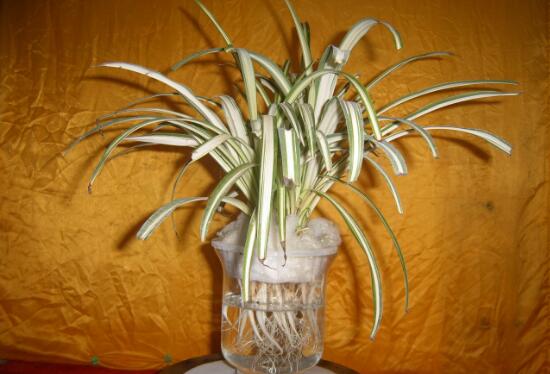
Can Golden Spider Plant (Chlorophytum comosum 'Vittatum') be grown in water? Master the 4-step hydroponic method with ease
Golden Spider Plant, a plant with an extremely strong ability to absorb formaldehyde, is also known as the air guardian. In daily life, because of its strong effects, many people keep Golden Spider Plant at home. However, compared to soil cultivation, many flower enthusiasts prefer water cultivation, because it is not only convenient but also more visually appealing. So
-
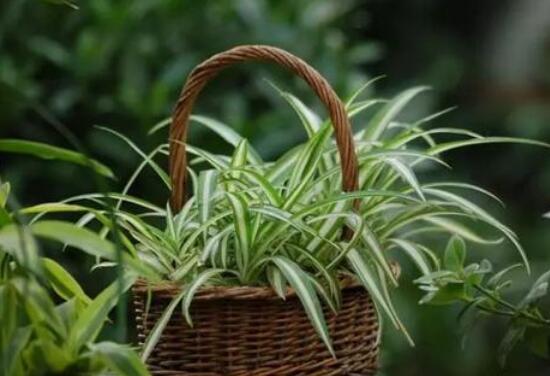
Why Golden Spider Plant (Chlorophytum comosum 'Vittatum') Is Hard to Grow: Fragile Leaves Fear Strong Wind, High Environmental Demands
The Golden Spider Plant, a very beautiful foliage plant, differs from the ordinary spider plant in that the middle of its leaves is yellow-white, giving it greater ornamental value. In everyday life, many people grow the Golden Spider Plant, but they will almost all say it is very difficult to grow, with various problems appearing from time to time. So why is the Golden Spider Plant hard to grow?
-
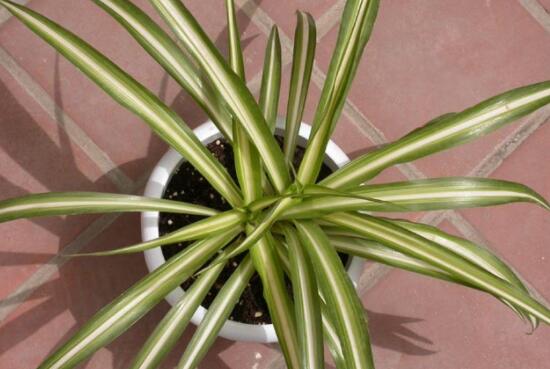
Water the Variegated Spider Plant (Chlorophytum comosum 'Vittatum') once every 2-3 days, and fertilize once every 10-15 days.
The Variegated Spider Plant, a very beautiful foliage plant, has leaves that stay green all year round, drooping gently like weeping willows on both sides, with yellow-white longitudinal stripes in the center, looking both attractive and elegant. In everyday life, many households grow a Variegated Spider Plant, which shows how beautiful it can be when well cared for; special attention must be paid to water and fertilizer. So
-
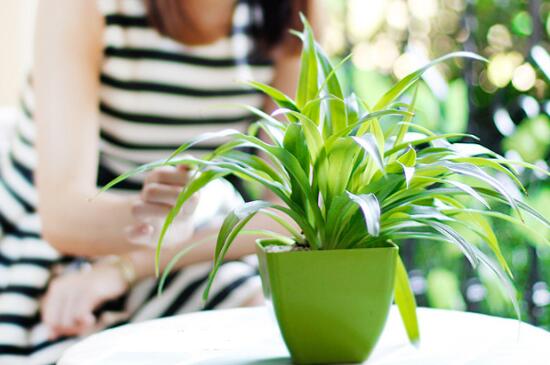
How to propagate spider plant (Chlorophytum comosum)? Division method illustrated, high survival rate
Green-leaf spider plant, a member of the many spider plant varieties, though not as beautiful as the variegated spider plant or the golden-heart spider plant, wins out with its fresh and elegant look. Moreover, the green-leaf spider plant has powerful effects, especially its astonishing ability to absorb formaldehyde. Such a plant is naturally propagated in large quantities, so how do you propagate the green-leaf spider plant?
-
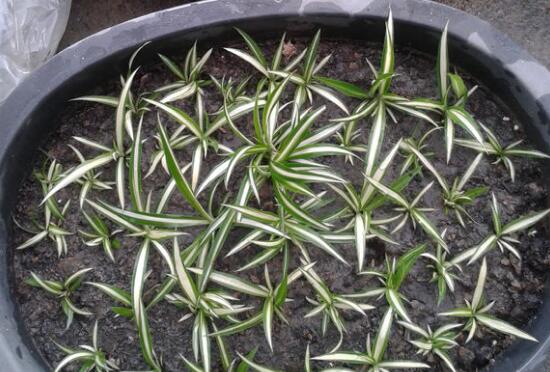
How to propagate the variegated spider plant (Chlorophytum comosum 'Vittatum')? Two methods: cuttings and division
As a common indoor potted plant, the variegated spider plant is highly useful: it not only looks good, but also absorbs formaldehyde, and has good medicinal applications. Such a plant is naturally very popular and sought after by many plant lovers, and it is therefore propagated in large quantities. So how do you propagate the variegated spider plant?
-
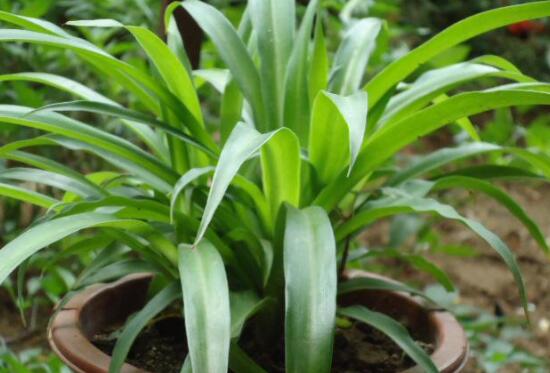
What to Do When Spider Plant (Chlorophytum comosum) Gets Pests? 4 Pest and 3 Disease Control Methods
As a type of spider plant, the green-leaf spider plant has strong adaptability, so it is easy to grow and not prone to pests and diseases. However, when growing plants indoors, for various reasons, they inevitably contract diseases and get infested by pests, and in this respect the green-leaf spider plant is no exception. So, what should you do when the green-leaf spider plant gets pests?
-

How to Grow Golden-rayed Spider Plant (Chlorophytum comosum 'Vittatum') as a Houseplant and Points to Note
The golden-rayed spider plant likes warmth and humidity and partial shade, and hates the scorching sun in summer. It has fairly high soil requirements and prefers loose, fertile, sandy soil. At a room temperature of 20°C, its stems and leaves grow rapidly, and in winter the temperature must not fall below 5°C. Its flowering period is between spring and summer. Spider plants like a warm, shady and humid climate.
-
How to Grow and Care for Variegated Spider Plants (Chlorophytum comosum 'Vittatum') in Pots
The variegated spider plant (Chlorophytum comosum 'Vittatum') belongs to the Liliaceae family and is a perennial evergreen herbaceous plant with thick, cylindrical fleshy roots. Its leaves are broadly linear and light green, growing from a short stem. The raceme inflorescence is 30-60 cm long, curving and drooping, with small white flowers; it often produces several clusters of rooted plantlets formed from bulbils on the flower stems, which is quite fascinating.
-
-
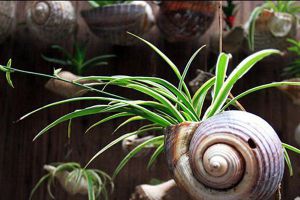
How to divide a spider plant (Chlorophytum comosum 'Variegatum')? Learn the correct division method
First, you need to take the original plant out of the pot. You also need to remove some of the soil and pull apart the smaller roots. Once you have grouped three or four plants together, they can go into a pot. Ordinary soil will do, and lining the bottom with some peanut or walnut shells is also a good option. When you repot it, give it a little water.
条件筛选