What to Do When Spider Plant (Chlorophytum comosum) Gets Pests? 4 Pest and 3 Disease Control Methods
As a type of spider plant, the green-leaf spider plant has strong adaptability, so it is easy to grow and not prone to pests and diseases. However, when growing plants indoors, for various reasons, they inevitably contract diseases and get infested by pests, and in this respect the green-leaf spider plant is no exception. So, what should you do when the green-leaf spider plant gets pests? Below are 7 pest and disease control methods for the green-leaf spider plant. Follow along with the editor to take a look.
I. When the green-leaf spider plant gets pests, spray with pesticide
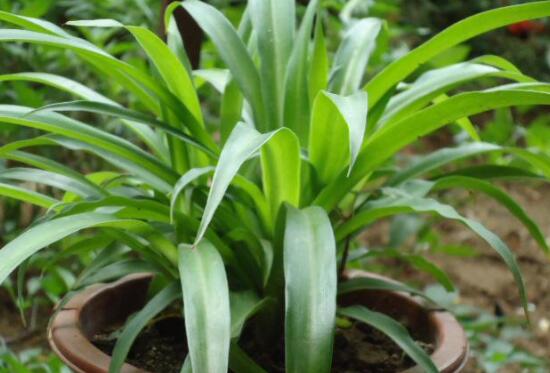
Because the green-leaf spider plant looks beautiful and can also absorb harmful gases such as formaldehyde, it is grown indoors by many people. But during cultivation, due to situations such as waterlogged potting soil and poor ventilation, it will attract pests and diseases. As for what to do when the green-leaf spider plant gets pests, it is actually very simple: confirm the pest, then spray the corresponding pesticide to solve it.
II. Pest and disease control for the green-leaf spider plant
1. Scale insects
When the plant clump is dense and ventilation is poor, the green-leaf spider plant is prone to scale insects, which attach to the leaves and cause them to lose their luster. Symptoms of infestation: the leaves of the green-leaf spider plant turn yellow, and in severe cases the entire plant will die.
Control method: Move the plant to a ventilated place, cut off the diseased leaves, then spray a dedicated insecticide, such as 40% omethoate diluted into a 1000-times solution or 50% malathion diluted into a 1500-times solution; if there are relatively few scale insects, you can dip a laundry detergent solution to wipe off the insects.
2. Aphids
The main pest of the green-leaf spider plant, it mainly harms leaves and buds, sucking large amounts of sap and causing poor plant growth. Because aphids reproduce in large numbers, they are usually densely packed when discovered, which is not only frightening but also very disgusting.
Control method: After discovering aphids, you can take manual aphid control by brushing off the aphids with a writing brush or a bristle brush and burying them in the potting soil; in addition, you can also use 50 grams of fresh chili peppers or dried red chili peppers, add 30 to 50 grams of water, boil for about half an hour, and spray the filtrate on the parts infested by aphids.
3. Whiteflies
One of the common pests that infest the green-leaf spider plant, it is tiny in size and reproduces quickly, parasitizing the phloem of the green-leaf spider plant and sucking its sap. Whiteflies are generally hard to spot, and once discovered they are in a large swarm; by then the plant has already had a large amount of sap sucked away and is very weak.
Control method: After discovering whiteflies, pesticide should be sprayed immediately for control. The pesticide can be 25% phosmet emulsifiable concentrate 1000-times solution, or 40% omethoate 1000-times solution. The best time to spray is in the early morning when adult whiteflies are less active.
4. Red spider mites
Besides scale insects, aphids, and whiteflies, red spider mites are also one of the pests and diseases of the green-leaf spider plant, mainly harming the plant's leaves. After infestation by red spider mites, the diseased leaves of the green-leaf spider plant initially show small yellowish-white spots, gradually turn red, then spread to the whole leaf, and even cause the leaves to curl, wither, yellow, and fall off.
Control method: After discovering red spider mites, you can use 40% dicofol emulsifiable concentrate 1500-2000-times solution for spray control, spraying once every 7 days, 2-3 sprays is enough, and the effect is good.
5. Root rot
The common disease of the green-leaf spider plant is generally root rot, which is caused by waterlogged potting soil and poor ventilation. Symptoms: the roots rot, and the leaves wither, yellow, and fall off until death.
Control method: After discovering the above symptoms, you can spray 50% carbendazim wettable powder 500-times solution, or directly drench the roots with it, once a week is enough; in severe cases, pull out the green-leaf spider plant, remove the rotten root parts, change the soil and pot, and replant.
6. Anthracnose
This disease mainly occurs under conditions of high humidity and stuffiness, waterlogged flower pots, overly dense plant clumps, and poor ventilation, and the affected part is the leaves. Symptoms: the diseased leaves show yellow-brown sunken small spots, which then expand into dark brown round spots, the leaf tips dry up, and then the whole plant dies.
Control method: Cut off the diseased leaves and burn them in a concentrated manner to reduce the source of disease; in severe cases, spray 50% carbendazim 1000-times solution or 70% thiophanate-methyl 1000-times solution for anti-rot control, and it will take effect after 2-3 times.
7. Leaf blight
Under conditions of relatively high environmental temperature, relatively high humidity, and poor ventilation, the green-leaf spider plant can also contract leaf blight. Symptoms: the leaves of the green-leaf spider plant first turn yellow, then become brown diseased spots, and finally spread to the entire plant.
Control method: When the above symptoms are found, use 70% zineb diluted into a 600-times solution for spray control, once every 15-20 days, and it will take effect after 2-3 times.
What to Do When String of Pearls (Senecio rowleyanus) Gets Pests, Pest and Disease Control for String of Pearls / 4 Pests and 3 Diseases
String of Pearls, a common succulent plant, has emerald green leaves that grow like pearls, in strings that look extremely beautiful. In daily life, many flower lovers are very fond of String of Pearls, but during cultivation, because they do not know how to grow it, the plant shows symptoms of pests and disease. So what should you do when String of Pearls gets pests? Below are 6 pest and disease control methods for String of Pearls. Let's take a look together!
I. When String of Pearls gets pests, spray with pesticide
The cultivation method for String of Pearls is not difficult; as long as you care for it carefully according to the method, it can grow very well. But during cultivation, due to situations such as waterlogged potting soil and poor ventilation, it will attract pests and diseases. So what should you do when String of Pearls gets pests? It is actually very simple: flower lovers only need to determine the pest, then spray the corresponding pesticide to solve it.
II. Pest and disease control for String of Pearls
1. Spring aphids / summer mites
Aphids: String of Pearls rarely has pests and diseases, but spring aphids are something everyone needs to guard against. This pest mainly harms leaves and buds, sucking large amounts of sap and causing poor plant growth. Control method: wipe them off promptly with a brush, or spray 1500-times omethoate to kill them.
Mites: Besides spring aphids, summer mites are also one of the pests of String of Pearls, mainly harming the plant's leaves and causing the leaves of String of Pearls to curl, wither, yellow, and fall off. Control method: pay attention to ventilation and increase leaf surface humidity, which can reduce mite infection; after discovering mites, use 1000-times dicofol to kill them.
2. Scale insects
Besides aphids and mites, when the plant clump is dense and ventilation is poor, String of Pearls is also prone to infestation by scale insects. This pest attaches to the leaves and causes them to lose their luster, thereby causing String of Pearls to wither, and in severe cases the entire plant will die.
Control method: Move the plant to a ventilated place, then cut off the diseased leaves to reduce the source of pests; afterward spray 50% malathion diluted into a 1500-times solution for control.
3. Whiteflies
One of the common pests that infest String of Pearls, it is tiny in size and reproduces quickly, parasitizing the phloem of String of Pearls and sucking its sap. Whiteflies are generally hard to spot, and once discovered they are in a large swarm; by then the plant has already had a large amount of sap sucked away and is very weak.
Control method: After discovering whiteflies, pesticide should be sprayed immediately for control. The pesticide can be 25% phosmet emulsifiable concentrate 1000-times solution, or 40% omethoate 1000-times solution. The best time to spray is in the early morning when adult whiteflies are less active.
4. Root rot
String of Pearls is not prone to disease, but when the potting soil is waterlogged and ventilation is poor, besides causing root rot, root rot disease may also occur. After contracting root rot, the roots of String of Pearls will rot, and the leaves will wither, yellow, and fall off until death.
Control method: After discovering the above symptoms, you can spray 50% carbendazim wettable powder 500-times solution, or directly drench the roots with it, once a week is enough.
5. Other diseases
Dry and withered branches and leaves: String of Pearls rarely gets sick, but under high temperature and low humidity, it will show symptoms of drying up. Control method: Usually place it in a semi-shaded place, prune the dry and withered branches and leaves, and it will slowly recover to its original state. In addition, when the air is very dry, we need to spray water mist around the plant.
Blackening leaf tips: If there is a problem with the soil, or too much watering, it will also affect the normal water absorption of the String of Pearls root system, and at this time blackening of the leaf tips will occur. Control method: Take the plant out of the pot, then cut off the damaged fibrous roots, replace with sandy soil and repot, water appropriately, and let String of Pearls grow new fibrous roots.
Overall, String of Pearls is not difficult to grow; you only need to place it in a ventilated place and be careful not to water too much, and it will not attract pests and diseases. Of course, if you find that String of Pearls has pests or disease, do not be afraid; just solve it according to the control methods above. That is all the editor has to introduce about pest and disease control for String of Pearls, and I hope it can be helpful to everyone.
What to Do When Variegated Spider Plant (Chlorophytum comosum 'Vittatum') Gets Pests, Pest and Disease Control for Variegated Spider Plant / 3 Pests and 3 Diseases
As a top-grade spider plant, the variegated spider plant has powerful benefits. It not only has the ability to absorb formaldehyde, but is also better looking than ordinary spider plants, and has good medicinal uses as well. But during cultivation, many flower lovers' plants show symptoms of pests and disease. So what should you do when the variegated spider plant gets pests? For this, the editor has summarized 6 common pest and disease control methods for the variegated spider plant. Let's take a look together.
I. When the variegated spider plant gets pests, spray with pesticide
Although the variegated spider plant is not prone to pests and diseases, if you do not care for it according to the cultivation method for variegated spider plants, situations such as waterlogged potting soil, poor ventilation, and root rot are likely to occur, and as a result the plant will still get pests and disease. As for what to do when the variegated spider plant gets pests, it is actually very simple: confirm the pest, then spray the corresponding pesticide to solve it. For the specific symptoms and control methods, let's continue reading below.
II. Pest and disease control for the variegated spider plant
1. Scale insects
Once you find that the variegated spider plant has pests, you can consider scale insects. This is because this pest is prone to outbreaks in poorly ventilated environments, and it attaches to the leaves and causes them to lose their luster. Symptoms of infestation: the leaves of the variegated spider plant turn yellow, and in severe cases the plant will die.
Control method: If there are relatively few scale insects, you can dip a laundry detergent solution to wipe off the insects; when there are many pests, you can use 40% omethoate diluted into a 1000-times solution for spraying, or use 50% malathion diluted into a 1500-times solution for spray control.
2. Aphids
One of the main pests of the variegated spider plant, it mainly harms leaves and buds, sucking large amounts of sap and causing poor plant growth. Because aphids reproduce in large numbers, they are usually densely packed when discovered, which is not only frightening but also very disgusting.
Control method: If a small number of aphids are found, you can apply plant ash to the leaf surface and rinse it off to remove them; when there are many aphids, use 40% phosmet diluted into a 1000-times solution and spray, generally once every 7-10 days, and spraying continuously 2-3 times can eliminate the harm.
3. Whiteflies
One of the common pests that infest the variegated spider plant, it is tiny in size and reproduces quickly, parasitizing the phloem of the variegated spider plant and sucking its sap. Whiteflies are generally hard to spot, and once discovered they are in a large swarm; by then the plant has already had a large amount of sap sucked away and is very weak.
Control method: Once it is confirmed to be whiteflies, you should immediately use pesticide for control. You can use 25% phosmet emulsifiable concentrate 1000-times solution, or 40% omethoate 1000-times solution for spraying and killing. The best time to spray is in the early morning when adult whiteflies are less active.
4. Root rot
During cultivation, because of waterlogged potting soil and poor ventilation, the roots of the variegated spider plant will rot, thereby causing the plant to contract root rot. Symptoms: the roots rot, and the leaves wither, yellow, and fall off until death.
Control method: After discovering the above symptoms, you can spray 50% carbendazim wettable powder 500-times solution, or directly drench the roots with it, once a week is enough; in severe cases, pull out the variegated spider plant, remove the rotten root parts, change the soil and pot, and replant.
5. Anthracnose
One of the common diseases of the variegated spider plant, it mainly occurs under conditions of high humidity and stuffiness, waterlogged flower pots, overly dense plant clumps, and poor ventilation, and the affected part is the leaves. Symptoms: the diseased leaves show yellow-brown sunken small spots, which then expand into dark brown round spots, the leaf tips dry up, and then the whole plant dies.
Control method: Cut off the diseased leaves and burn them in a concentrated manner to reduce the source of disease; in severe cases, spray 50% carbendazim 1000-times solution or 70% thiophanate-methyl 1000-times solution for anti-rot control, and it will take effect after 2-3 times.
6. Leaf blight
Under conditions of relatively high environmental temperature, relatively high humidity, and poor ventilation, the variegated spider plant can also contract leaf blight. Symptoms: the leaves of the variegated spider plant first turn yellow, then become brown diseased spots, and finally spread to the entire plant.
Control method: When the above symptoms are found, use 70% zineb diluted into a 600-times solution for spray control, once every 15-20 days, and it will take effect after 2-3 times.