-

What to Do When a Pothos Has Root Rot and Yellow Leaves? Use Eggshells Cleverly to Give It a New Lease on Life
Pothos is a common green plant in our daily lives. Pothos is not only attractive, but also purifies the air, reduces radiation, and removes formaldehyde. Although pothos is easy to grow, flower lovers often run into the problem of yellowing leaves and root rot. What should be done?
-

How to Use Wood Ash to Cleverly Control Flower Pests and Diseases
Using Wood Ash to Cleverly Control Flower Pests and Diseases
-
Cleverly Seizing the Opportunity to Plant Flowers of Prosperity, Li Zhuo Sets Out on the Road to Increased Income
Li Zhuo - Seizing the Opportunity to Cleverly Plant "Flowers of Prosperity"
-

Wine bottles and towels cleverly turned into flower pots - what a wild upcycling idea
Recently I saw an online contest: upcycling and transforming flower containers! I took a look at the contestants' entries and was amazed by everyone's creativity. Now let me show you these creative DIY projects!
-

How to get rid of mealybugs? Cleverly use a cotton swab to solve it easily
Text and images: Qingmeng. What do succulents fear most in summer? The first thing, of course, is mealybugs. The ones on the leaves are still manageable, but when they are in the leaf center, you poke down and your hand trembles, and it's over, you've crushed it. Without a year or two of natural metabolism, such an ugly leaf...
-
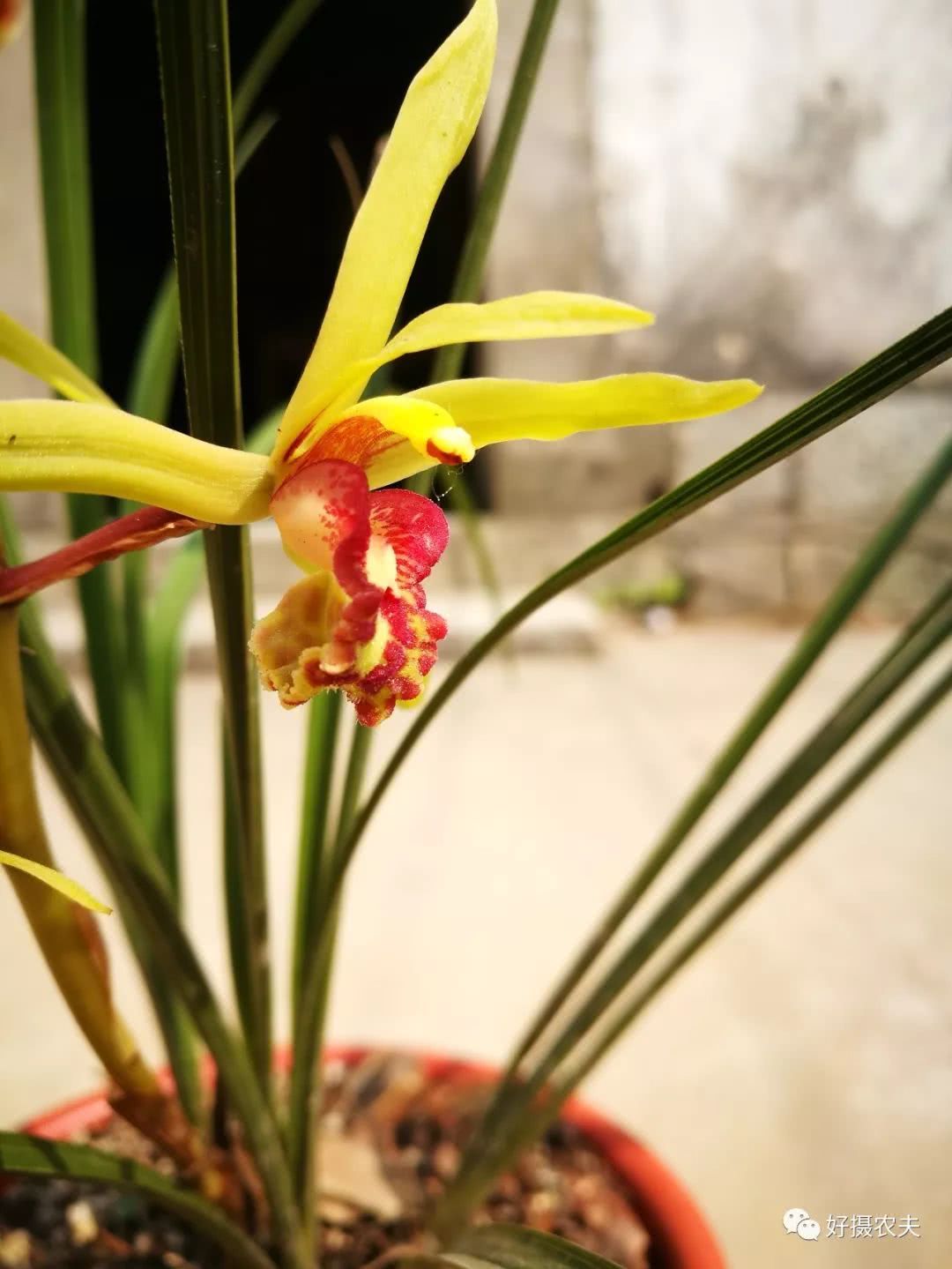
Orchids collected from the wild lose vigor and their leaves turn yellow - should you fertilize? The farmer teaches you how to cleverly use foliar fertilizer
If you want to grow orchids well, you cannot do without fertilizing. After wild-collected orchids have been grown for a period of time, orchid enthusiasts will notice that the orchid leaves turn yellow, no longer as beautiful as when they were first collected. Why? Because in the first year, within two months, the roots of wild-collected orchids do not have the ability to absorb nutrients...
-
Qi Ruishan, a farmer from Xianfeng Village, Lindian County: Cleverly Chanting the "Cow Classic"
Qi Ruishan, a farmer from Xianfeng Village, Lindian County: Cleverly Chanting the "Cow Classic"
-
Polyculture of sleeper goby yields over 10,000 yuan per mu: a post-90s young man cleverly raises the "lazy fish"
Post-90s young man polycultures sleeper goby: the tiny lazy fish yields over 10,000 yuan per mu
-

"Drudgery" Cleverly Made Light and Simple: Dong Hezhong's "Happy Cotton Planting"
"Drudgery" Cleverly Made Light and Simple: Dong Hezhong's "Happy Cotton Planting"
-
Practical Tips for Cleverly Using Garlic in Fish Farming
I. Garlic Can Be Used as a Feed Additive for Fish (1) Fresh garlic. Take fresh garlic and make it into garlic paste, then mix it directly into the bait for feeding, or take 1%-5% fresh garlic and add it to the fish compound feed, crush it into powder with a grinder, mix evenly, and use directly. After peeling the garlic, grind it with an equal amount of cool boiled water into a slurry and filter it, then mix 3% of the filtrate into the feed to prevent feed mold.
条件筛选