Orchids collected from the wild lose vigor and their leaves turn yellow - should you fertilize? The farmer teaches you how to cleverly use foliar fertilizer
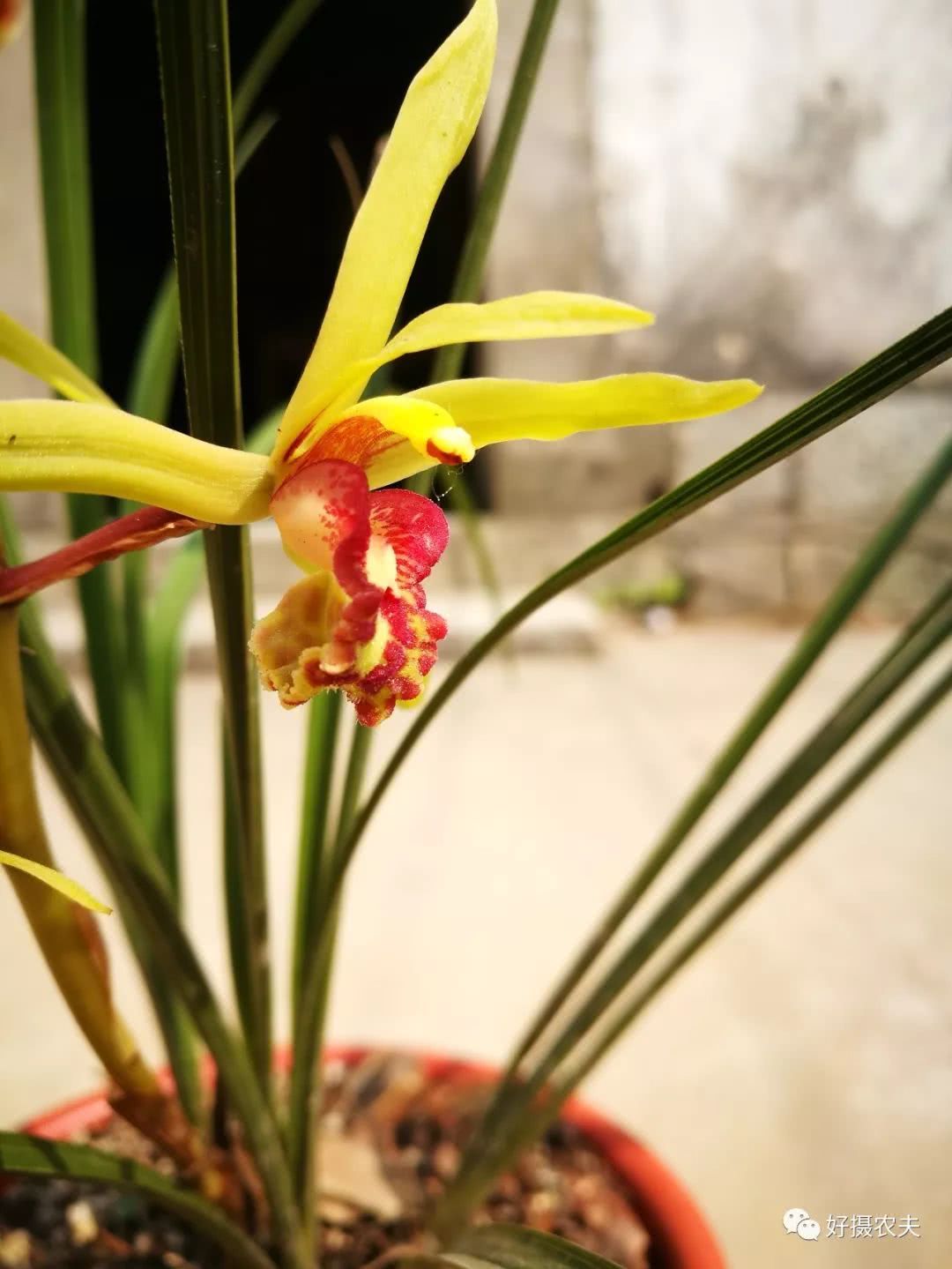
If you want to grow orchids well, you cannot do without fertilizing. After wild-collected orchids have been grown for a period of time, orchid enthusiasts will notice that the orchid leaves turn yellow, no longer as beautiful as when they were first collected. Why? Because in the first year, within two months, the roots of wild-collected orchids do not have the ability to absorb nutrients, but since flowering, sprouting, and rooting all require nutrients, they first consume the nutrients stored in the orchid plant itself. This loss of nutrients causes the orchid leaves to turn yellow, which is a normal physiological phenomenon.
So, the orchids at this stage still cannot be fertilized, so what should be done? We can use foliar fertilizer to supplement nutrients. With foliar fertilizer, attention must be paid to a complete combination of nitrogen, phosphorus, and potassium, and it must not be applied in a one-sided way. If an orchid lacks nitrogen, its leaves turn yellow and thin; if it lacks phosphorus, it is not easy for it to root; if it lacks potassium, the orchid plant cannot stand upright
I generally use urea together with monopotassium phosphate. While spraying foliar fertilizer, some antibacterial medication can also be added, which makes the effect better. Foliar fertilizer should be dilute rather than concentrated. The farmer once damaged orchid leaves with urea, precisely because the concentration was not controlled well. What I use now is a 20 kg spray bucket, each time with 2 liang of urea, 50 g of monopotassium phosphate, and an appropriate amount of carbendazim
There are two points to note when spraying foliar fertilizer: First, it must be sprayed on a sunny afternoon, and direct sunlight should not fall on it. This way the fertilizer sprayed is less likely to cause fertilizer damage, and the orchid plant absorbs it easily. Second, after spraying once on the front side, turn the nozzle upward and also spray once on the back side of the orchid leaves. In fact, the back side of orchid leaves absorbs fertilizer better than the front side.
This article is originally created by Haoshe Farmer. You are welcome to follow, and I will take you to gain knowledge together