-
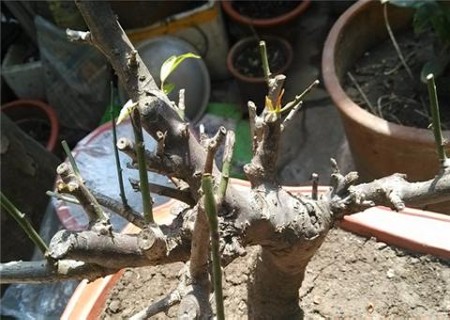
How to graft plum blossoms? A detailed guide to the cleft grafting propagation method
Plum blossoms are usually propagated by grafting, because seedlings grown from seed often fail to pass on the superior traits of the mother plant, and grafting is divided into two types: cleft grafting and bud grafting. We have already covered the bud grafting technique for plum blossoms, so this article will discuss the cleft grafting propagation method for plum blossoms! As for the scion, there is no need to elaborate, it is the same as usual
-
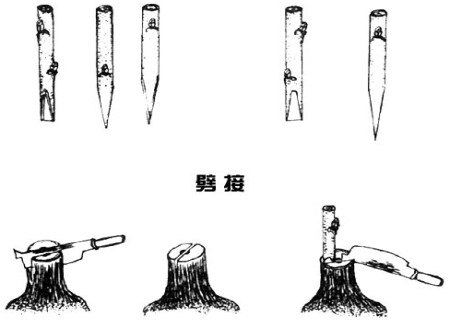
Detailed Explanation of the Key Operation Points of the Cleft Grafting Technique for Pear Trees
Among fruit trees, the pear tree is a species that is relatively easy to graft, and most grafting methods readily succeed. In summer, it is best to use the three bud grafting methods: patch budding, chip budding and T-shaped budding; in spring, it is best to use the two scion grafting methods: single-bud side grafting and cleft grafting
-
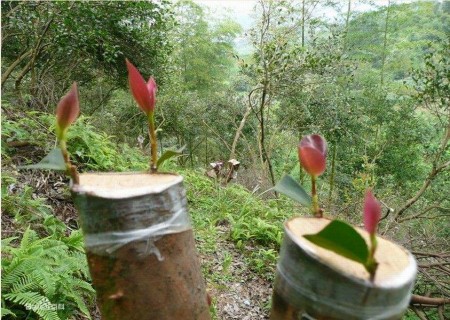
Pear Tree Cleft Grafting: Key Techniques and Step-by-Step Method Explained
Branch grafting of pear trees can be further divided into cleft grafting, tongue grafting, approach grafting and other forms, with cleft grafting and cut grafting being the most commonly used. Cut grafting is mostly carried out in early spring (mid to late March) when the trees begin to break dormancy but have not yet budded. The rootstock diameter should preferably be 2-3 cm; cut the rootstock horizontally at 2-3 cm from the base of the branch
-
Illustrated guide to the cleft grafting technique for bonsai, with detailed steps that are easy to understand at a glance
Grafting is the artificial joining of tissues such as a branch or bud from one plant onto a suitable part of another plant, such as a branch, trunk or root, so that they heal and grow together to form a new plant. This branch or bud is called the scion, and the plant that receives the scion is called the rootstock. Grafting flowers and trees places great emphasis on technique
条件筛选