-
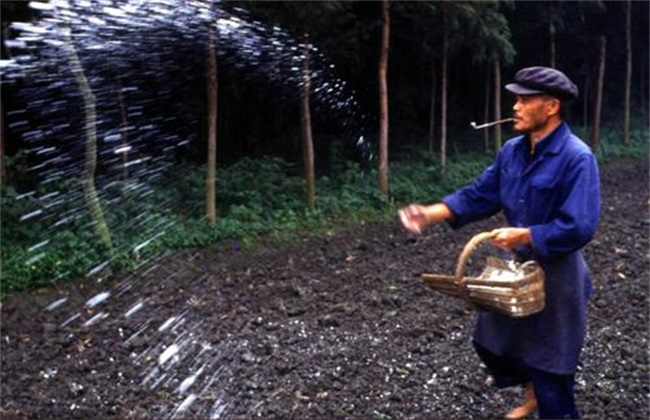
What are the precautions for fertilizer use? Explained clearly in one article
Precautions when using chemical fertilizers
-

How to apply potassium fertilizer scientifically? Key points of the method explained clearly in one go
Scientific application methods of potassium fertilizer
-
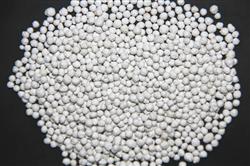
What are the advantages and disadvantages of compound fertilizer? Get things clear before buying and using
What are the advantages and disadvantages of compound fertilizer? Please introduce them. Advantages and disadvantages of compound fertilizer: Advantages: 1. Many nutrient types, high content; 2. Saves costs for packaging, storage, transportation and application; 3. Good physical properties, few secondary components, and little adverse effect on soil properties; 4. Balanced fertilization can be industrialized....
-
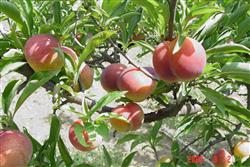
Foliar fertilizer is not the same as pesticide; the difference between the two must be clearly distinguished
I. Why are medium-element water-soluble fertilizers used for fertilizing fruit trees? 1. The soil is not lacking in calcium fertilizer; what is lacking is mobile ionic calcium, so when choosing fertilizer, be sure to choose a calcium fertilizer that dissolves quickly in water. Research shows that crops such as ginger, watermelon, chili pepper, eggplant, tomato, and grape absorb calcium far...
-
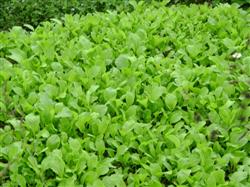
What is the principle of foliar fertilization? Explained clearly in one article
First look at the vegetable type: different vegetable types have different fertilizer requirements. For example, leafy vegetables prefer nitrogen, legumes prefer phosphorus and potassium, Chinese cabbage, cauliflower, radish and others are more sensitive to boron fertilizer, legumes and cruciferous plants are more sensitive to molybdenum fertilizer, short-term vegetables require less fertilizer, vegetables that continuously flower and fruit require more fertilizer, and root and tuber vegetables are sensitive to chloride, ...
-
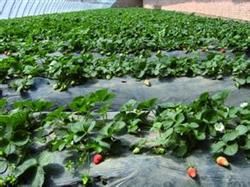
What are the principles of mixed fertilizer application? Explained clearly in one article
Implement in accordance with the provisions of NY/T 496-2002. The fertilizers used should be those already registered or exempt from registration with the agricultural administrative department. Restrict the use of chlorine-containing compound fertilizers. Permitted fertilizer types: organic fertilizers include compost, waterlogged compost, barnyard manure, biogas fertilizer, green manure, crop straw fertilizer, peat fertilizer, cake...
-
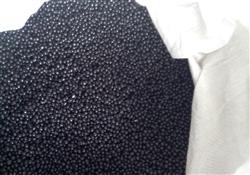
What is the difference between biofertilizer and chemical fertilizer? Explained clearly in one article
What is the difference between biofertilizer and chemical fertilizer? Please refer to the table below for the differences between biofertilizer and chemical fertilizer: Biofertilizer Chemical fertilizer A living fertilizer, strongly selective about temperature, humidity, sunlight, etc. Not alive, little affected by temperature, humidity, sunlight, etc. Provides nutrients gently and persistently, contains many nutrients needed by plants, ...
-
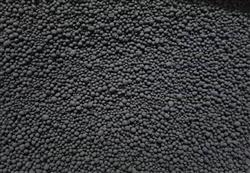
What are microbial fertilizers? One article explains it clearly
What are microbial fertilizers? What characteristics do microbial fertilizers have? We ask knowledgeable readers to help explain. Microbial fertilizers refer to specific products that contain living microorganisms and, through the specific action of those microorganisms, provide nutrients to plants and regulate plant growth. When applied in agricultural production, they can achieve specific fertilizer benefits...
-
What are the functions of zinc sulfate? Explained clearly in one article
What are the functions of zinc sulfate? What are the common types of zinc sulfate? How is zinc sulfate applied? We also ask knowledgeable readers to help explain. The correct use of zinc sulfate can prevent diseases in fruit tree nurseries, and it is also a commonly used fertilizer for supplementing the trace element zinc in crops; it can be used as a base fertilizer, foliar fertilizer, etc. Therefore, Zhongdiwang has compiled...
条件筛选