What are the precautions for fertilizer use? Explained clearly in one article
Chemical fertilizers are a key fertilizer for increasing crop yields during planting and production. Whether growing vegetables or grain crops, chemical fertilizers are very important for their growth. So many people prepare sufficient chemical fertilizers when planting and producing. However, when using chemical fertilizers, there are still many things we need to pay attention to. Today, the editor brings you the precautions when using chemical fertilizers. Let's take a look together!
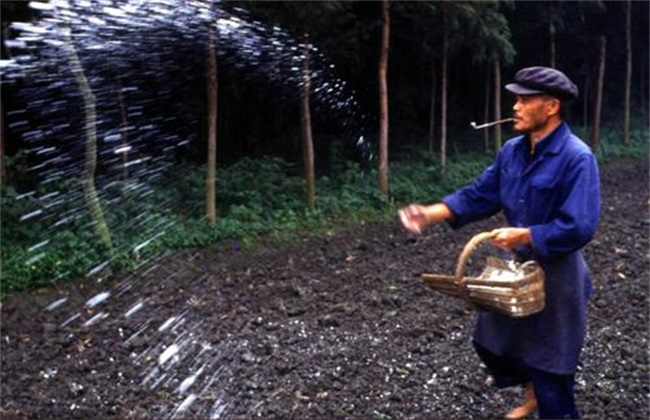
1. Do not water immediately after applying urea
Urea is one of the most common chemical fertilizers, and after applying urea, we should note that it cannot be watered immediately. This is because after urea is applied to the soil, it quickly converts into ammonium carbamate, and ammonium carbamate is extremely prone to loss from water flushing. Therefore, we not only cannot water after applying urea, but also cannot apply it before heavy rain. When applying urea, foliar topdressing can be the main method. This can avoid premature aging of crops due to nitrogen deficiency in the middle and late growth stages. At the same time, pay attention to controlling the amount used to avoid excessive fertilizer damage and root burning, and it also cannot be used as a seed fertilizer.
2. Ammonium bicarbonate should be applied deeply
Ammonium bicarbonate is also a type of chemical fertilizer. When applying ammonium bicarbonate, we should apply it as deeply as possible. This is because ammonium bicarbonate is not very stable and is easily decomposed into ammonia gas and volatilized after application. And the higher the temperature, the faster its volatilization. Therefore, it should neither be used in greenhouses nor directly scattered on the surface soil; it should be applied in furrows or holes. Then also pay attention to the application of ammonium sulfate, because ammonium sulfate is an acidic fertilizer, so it cannot be applied over the long term, otherwise it will cause the soil to become too acidic, and the soil structure will also be destroyed as a result, which is also very unfavorable for crop growth.
3. Nitrate nitrogen should not be used in rice fields
For nitrate nitrogen fertilizers such as ammonium nitrate and sodium nitrate, they are not suitable for application in rice fields. This is because after nitrate nitrogen is applied to rice fields, denitrification easily occurs, resulting in nitrogen loss. In addition, it is also not suitable for application in vegetable fields. Nitrate nitrogen in vegetable fields will cause a large increase in the nitrate content in vegetables, and after entering the human body, it is also very easily reduced to nitrite, which is very unfavorable to human health. Then, for some chlorine-containing fertilizers, they cannot be applied on saline-alkali land, otherwise it will cause soil acidification and aggravate salt damage.
4. Precautions for applying phosphorus and potassium fertilizers
When applying phosphate fertilizer, note that it cannot be applied in a scattered way. This is because phosphate fertilizer has relatively low mobility, so it is also difficult for crops to absorb. Therefore, when applying phosphate fertilizer, it is best to use it as a base fertilizer. Apply it in a concentrated way into the sowing furrow, and it is best to mix and stack it with organic fertilizer for a period of time before application. Then there is the application of potassium fertilizer. The potassium element in the lower stems and leaves of most crop plants can be transferred to the top for reuse. Therefore, when applying potassium fertilizer, we should do it during the crop seedling stage or the early stage of reproductive growth.
The above is a brief introduction to the precautions when using chemical fertilizers. That is all for today's introduction. This article is for reference only, and I hope it can help everyone!