-

What cultivar classifications does honeysuckle have? Introduction to common cultivar types
What cultivar classifications does honeysuckle have
-

-
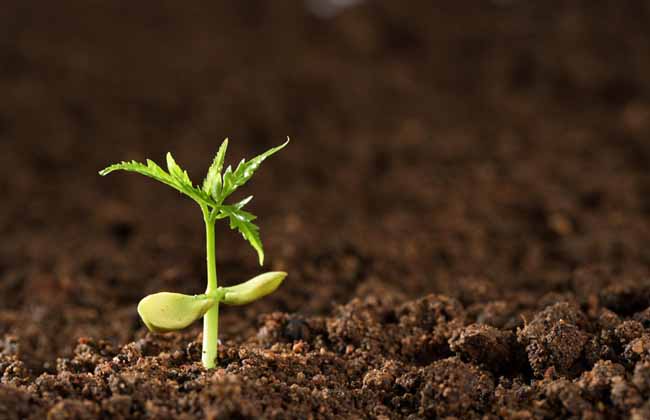
What soil classifications exist in China? A detailed introduction to the main soil types
What soil classifications exist in China?
-
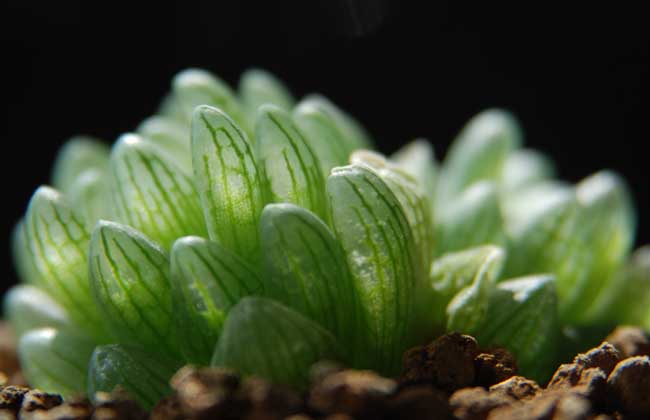
A detailed guide to the common Haworthia cooperi variety classifications: quickly get to know the traits of each variety
Common variety classifications of Haworthia cooperi
-
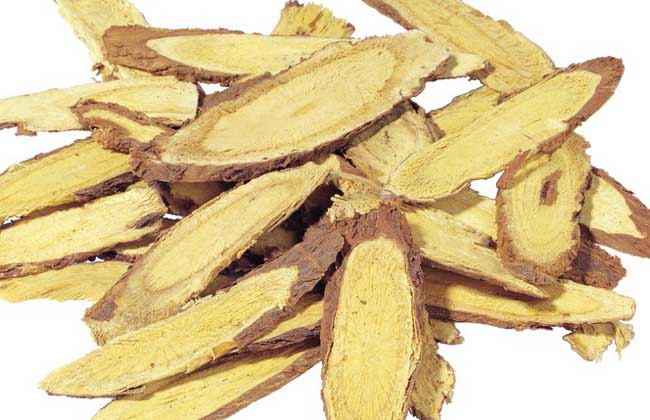
What are the classifications of licorice? A detailed introduction to the main types
What are the classifications of licorice?
-
What are the Western medicine classifications and clinical manifestations of pulmonary gangrene?
When a foreign body accidentally enters the trachea or bronchi and is not severe enough to cause a critical reaction but remains there, the symptoms subsequently formed during the process of putrefaction are named pulmonary gangrene in Western medicine. It belongs to the category of pulmonary abscess in traditional Chinese medicine and is one of its conditions. After pulmonary gangrene occurs...
-
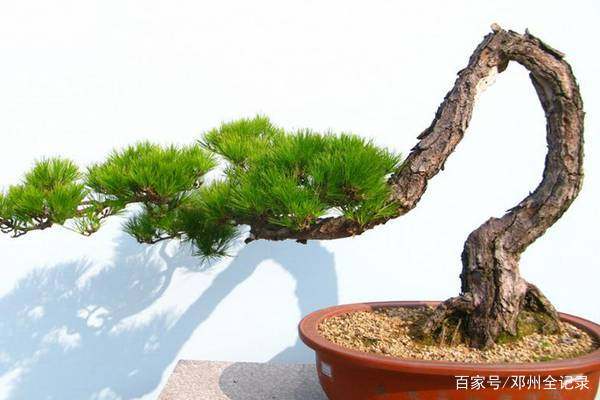
What Are the Classifications of Bonsai? A Full Breakdown of Common Bonsai Types
Bonsai are mainly divided into two major categories: tree bonsai and landscape bonsai. These schools had already taken shape by the Song Dynasty, and with people's constant innovation, many new categories of bonsai have emerged. They are mainly divided into the following seven major types - let's learn about them together...
-
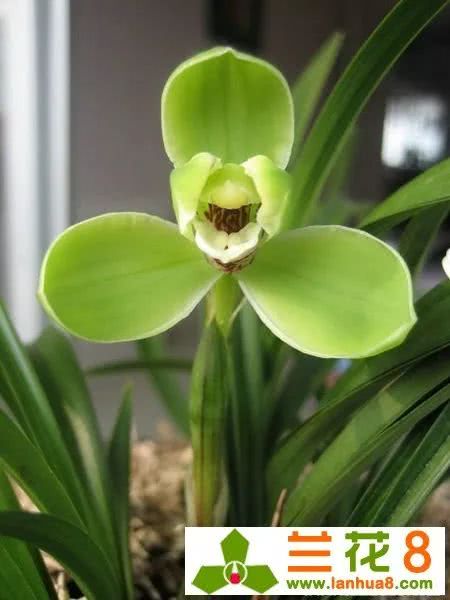
Orchid Petal Type Analysis: Detailed Explanation of Common Petal Type Classifications and Characteristics
Promote Chinese orchid culture, spread orchid knowledge. I. Plum Petal. Plum petal: the three outer petals have tight edges and rounded tips, the central column is strongly masculinized with a cupped shape and white tip; if the lip is relaxed and not curled, it is a plum petal. When the plum petal is about to bloom, due to masculinization, the three outer petals have white edges and the petals have white tips. The entire flower shape looks quite like a plum blossom in snow; the ancients' metaphor is indeed apt and vivid. Plum petals are further divided according to the degree of masculinization into hard-cupped plum petals and soft-cupped plum petals. Among hard-cupped ones, there are extremely hard-cupped and hard-cupped plum petals. Extremely hard-cupped plum petals, due to extremely strong masculinization, often have the petals adhering to the column, with a very small hard lip or with cheek-like structures and no lip; such flowers' outer petals are mostly flared and upturned, and the flower shape is extremely inelegant! We know that the strength of masculinization is greatly related to flower quality. The stronger the masculinization, the tighter and harder the central column, and the worse the flower quality! If such a flower shape has tender color and broad outer petals, it also has ornamental value, but most outer petals are flared and upturned, and have traditionally not been valued by orchid growers! The masculinization of hard-cupped plum petals is slightly weaker than that of extremely hard-cupped ones, mostly split-head closed-back or joined-shoulder closed-back hard silkworm-moth petals, and the lip is mostly a dragon-swallowing lip, small round lip, etc.; some flowers have slightly flared outer petals! The masculinization of soft-cupped plum petals is relatively moderate, mostly five-petal separated soft silkworm-moth petals, with the three outer petals rounded and tight, and the lip mostly able to spread broadly, mostly a Liu Hai lip or Ruyi lip; the central column is rounded and neat, making it a fine among plum petals! The overall form of a superior plum petal should closely resemble a plum blossom, and reaching such a standard is very rare! The leaves of plum petals feel relatively thick and hard, with strong uprightness or bow-like form, looking rather vigorous; the basal leaves are slightly spreading, the sheath is hard and extends obliquely at about 15 degrees, feeling prickly to the touch; when the sheath is not yet withered, one can see a white pointed tip at the sheath tip, about the size of a millet grain, crystal clear, greatly different from the leaf tip of ordinary flowers. When selecting wild-collected orchids, if you encounter sheath color bright and smooth, veins fine and sparse reaching the top, heavy sand and dense halo, color lighter below and darker above, with a green tip at the apex, large empty head, lower part of the flower bud tightly contracted, and the middle round and bulging like a peanut or soybean, it is mostly a plum petal! This requires everyone to observe more usually in order to judge quickly and accurately!
条件筛选