What are the classifications of licorice? A detailed introduction to the main types
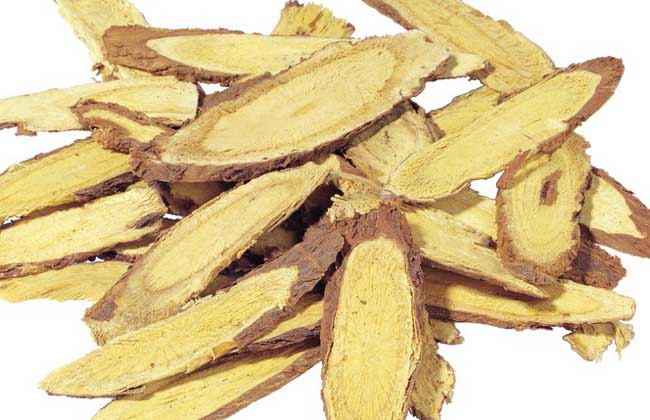
Licorice is a perennial herb of the genus Glycyrrhiza in the Fabaceae family, with thick roots and rhizomes. It is a tonic Chinese herbal medicine, a very good medicine for the human body. The medicinal parts are the root and rhizome. There are many classifications, and all kinds of licorice are considered best when the bark is fine and tight, the texture is firm and heavy, the color is reddish-brown, the powderiness is high, the sweetness is strong, and it is dry and free of impurities.
Common prescription names of licorice
1. Gancao (licorice): In prescriptions, it is written as gancao.
2. Shengcao: Shengcao refers to raw licorice, which is the original medicinal material with impurities removed, washed clean, moistened thoroughly, sliced, and used raw in medicine. It tends toward clearing heat and detoxifying.
3. Zhicao: Zhicao is also called zhigancao, migancao, or mizhi gancao. It is raw licorice slices mixed evenly with honey, then fried until they no longer stick to the hand, taken out and spread to cool, and then used in medicine. It tends toward moistening the lungs and harmonizing the middle.
4. Caoshao, gancao shao, shengcao shao: These are all the terminal tips or fine roots of the licorice root, washed clean and cut into small sections for medicinal use. They tend toward clearing heat and promoting urination.
Current trade names of licorice
1. Dong gancao: Dong gancao is also called dongcao, and is produced in Northeast China, Hebei, Shanxi, and other places.
2. Xi gancao: Xi gancao is also called xicao, and is produced in Yanchi in Ningxia, Gansu, Inner Mongolia, Qinghai, Shaanxi, **, and other places.
Traditional trade names of licorice
1. Liangwai cao: Produced in the area of Hangjin Banner, Ih Ju League, Inner Mongolia.
2. Wangyedi cao: Produced in Alxa Left Banner, Inner Mongolia. It is conventionally believed that liangwai cao and wangyedi cao are the best in quality and are authentic medicinal materials.
3. Xizhen cao: Produced in the area of Yanchi, Taodong, and Pingluo in Ningxia. It belongs to xicao. Shanghechuan cao: Produced in the area of Dalad Banner, Ih Ju League, Inner Mongolia. It belongs to xicao.
4. Biancao: Produced in the area of Jingbian and Dingbian in northern Shaanxi. It belongs to xicao.
5. Xibei cao: Produced in Minqin, Qingyang, Zhangye, Yumen, and other places in Gansu. It belongs to xicao.
6. Xiahechuan cao: Produced in Tumd Banner, Togtoh, and Horinger and other places near Baotou, Inner Mongolia. It belongs to xicao.
7. Dongbei cao: Produced in eastern Inner Mongolia, Chifeng, Jirem League, Hulunbuir League, and other places. It belongs to dongcao.
8. ** cao: Produced in **. It belongs to xicao.
9. Pi gancao: Also called dai pi gancao, dai pi cao, or picao. It is the kind that retains the cork layer after harvesting and processing.
10. Fen gancao: Also called gua pi gancao, gua pi cao, bai fen cao, or fencao. It is the kind whose cork layer is scraped off after harvesting and processing and then cut into long sections.
11. Ba gancao: The kind cut into long sections during processing and tied into bundles.
12. Gancao jie: Also called fen cao jie or cao jie. It is the part of the licorice root and rhizome filled with brown-black resinous material.
13. Gancao tou: Also called geda ge or geda tou. It is the rhizome tip part at the upper end of the licorice rhizome.
14. Gancao shao: Also called caoshao or shengcao shao. It is the terminal tip part or fine roots of the licorice root.