-

How to Dilute Chlorothalonil with Water? Detailed Guide to the Correct Dilution Ratio
Chlorothalonil is a broad-spectrum, highly effective fungicide that can control various diseases such as anthracnose, blight, and powdery mildew. It is currently widely used on crops such as cucurbits, rice, wheat, and peanuts. So how do you dilute chlorothalonil with water? 1. How to dilute chlorothalonil with water? Diluting chlorothalonil
-
What diseases does chlorothalonil mainly control? A detailed explanation of its targets and fungicidal spectrum
Chlorothalonil mainly controls fungal diseases such as blast disease, leaf rust, leaf spot, peanut rust, brown spot, black spot, and downy mildew. Suitable crops include grapevines, pear trees, apple trees, jujube trees, persimmon trees, tomatoes, cucumbers, wheat, rice, cabbage, and others. When
-
What are the effects and uses of chlorothalonil? A detailed explanation in one article
Chlorothalonil pure product is a white crystal, is a common fungicide for growing crops, has a protective effect, no corrosive effect, can be used to control rice blast, rice sheath blight, wheat leaf rust, wheat leaf spot, peanut rust, peanut brown spot,
-
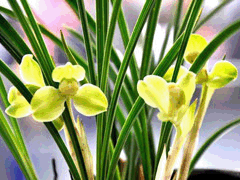
Chlorothalonil is a commonly used fungicide for controlling orchid diseases.
Orchid fungicide: chlorothalonil
-

What is the difference between chlorothalonil and carbendazim?
The difference between chlorothalonil and carbendazim
-
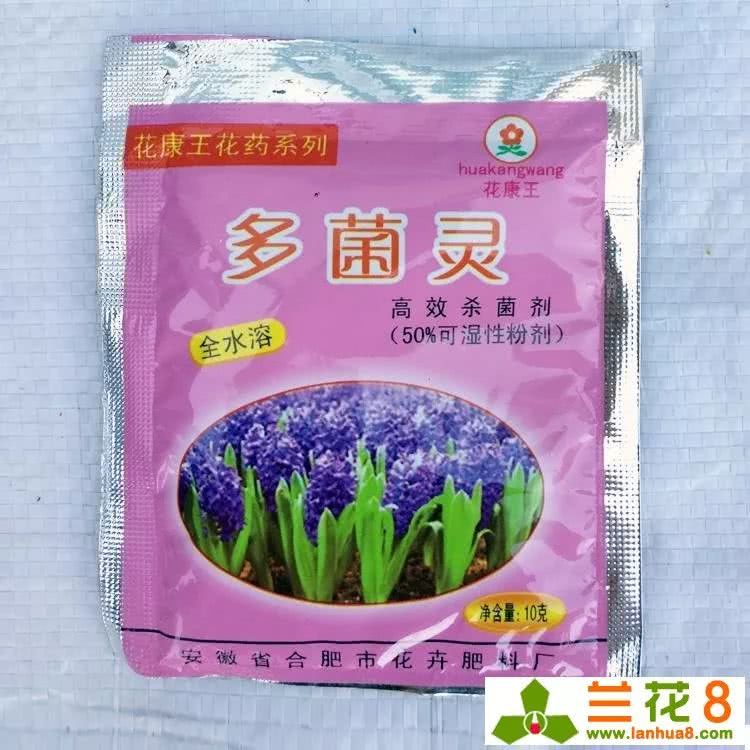
What is the difference between chlorothalonil and carbendazim, two commonly used fungicides for orchids
Promote Chinese orchid culture, spread orchid knowledge. Chlorothalonil is a broad-spectrum protective fungicide with stable chemical properties, no corrosive effect, low toxicity to humans and livestock, and high toxicity to fish. It mainly controls a variety of fungal diseases, but against soil-borne Pythium...
-
What diseases does chlorothalonil control? A full breakdown of its scope of application
What diseases does chlorothalonil control? How should chlorothalonil be used for the best effect? Experienced gardeners, please share your advice. Chlorothalonil is a non-systemic broad-spectrum fungicide and a low-toxicity fungicide that is now widely used. It works best when sprayed before disease occurs or when disease has just begun, for the best effect...
-
A detailed guide to the correct use of the fungicide chlorothalonil
How is the fungicide chlorothalonil used? Please give an introduction. Chlorothalonil is a non-systemic broad-spectrum fungicide that has a preventive effect against fungal diseases of many crops. Chlorothalonil provides control of many diseases of grain crops, peanuts, vegetables, cucurbits, fruit trees, tea and more. It is a low-toxicity fungicide and is now widely...
-
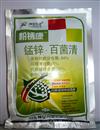
Which crops is the fungicide chlorothalonil suitable for?
On which crops can the fungicide chlorothalonil be used? Please give an introduction. The fungicide chlorothalonil can be used on the following crops: 1. Control of rice blast. To control leaf blast, start spraying when disease centers appear in the field, then spray again after 7 days. To control panicle blast, spray once each at the booting stage and the full heading stage of rice. Each time per...
-
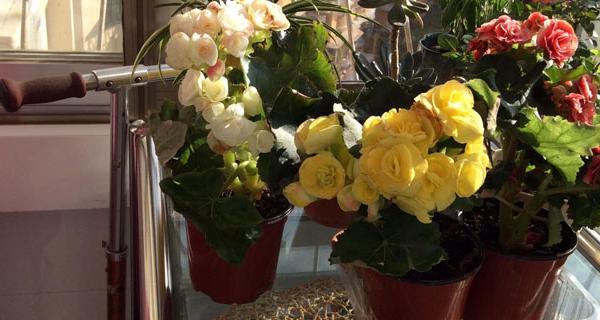
Can chlorothalonil be used to soak the roots of flowers with root rot?
Is it okay to soak the roots of flowers with root rot in chlorothalonil?
条件筛选