-

Where in China are chestnut soils distributed, and what are they suitable for growing?
Chestnut soil, as the name suggests, is a chestnut-colored soil formed under a temperate semi-arid climate and the natural vegetation of dry steppe. It has a soft surface horizon and a calcic horizon somewhere within 1 m. The typical profile configuration is Ah-Bk-C. The entire profile is base-saturated,
-
A Complete Analysis of Key Points of New Chestnut Planting Techniques
I. Soil, Fertilizer and Water Management for Chestnuts (I) Soil Management After the autumn chestnut harvest and before leaf fall, deep plowing of the chestnut orchard should be carried out, with a depth of 60-80 cm being appropriate, and root damage should be minimized during deep plowing. Separate the topsoil from the subsoil, and when backfilling, mix the topsoil with organic fertilizer (turf, dead branches and fallen leaves) and fill it into the bottom layer, then place the subsoil in the upper layer. The number of times of intertillage and weeding each year should be no fewer than 3 times, and the plowing depth should be 15-25 cm, with green manure plowed under during cultivation. Cover the tree disk with green grass at a thickness of 20 cm, press a little soil on top, and in autumn turn it into the tree disk and bury it underground. For drier chestnut orchards without irrigation conditions, cover with plastic film.
-
What soil is best for growing chestnuts? Soil requirements for chestnut cultivation
Abstract: Slightly acidic soil should be chosen for planting chestnuts, preferably deep soil that is moist, has strong drainage, and contains plenty of organic matter, such as sandy soil or sandy loam weathered from sandstone or granite. If the PH value of the soil used for planting chestnuts is higher than 7, it will cause the chest
-
What are the planting conditions for Dahongpao chestnut? Detailed environmental requirements
Summary Soil: Dahongpao chestnut is suitable for slightly acidic, loose soil and must not be planted in clay soil. Temperature: it is relatively cold-hardy, with an optimum growth temperature of 8-15°C, but it can also grow normally at -35°C; young trees have poorer cold resistance and need good insulation and cold protection measures
-
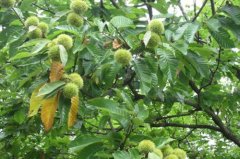
How to plant and care for chestnut trees so they are easy to grow? Learn about the planting history and soil requirements
Since at least 2000 BC, chestnut trees have been cultivated for their starchy nuts for thousands of years. In the past, the nuts have always been an important source of food for humans, used to make flour and as a substitute for potatoes. Currently, 9 different chestnut tree species are grown in temperate regions around the world. All are deciduous trees belonging to the beech family, such as oaks and beeches. If you are considering growing chestnut trees, keep reading for information on chestnut tree care.
-
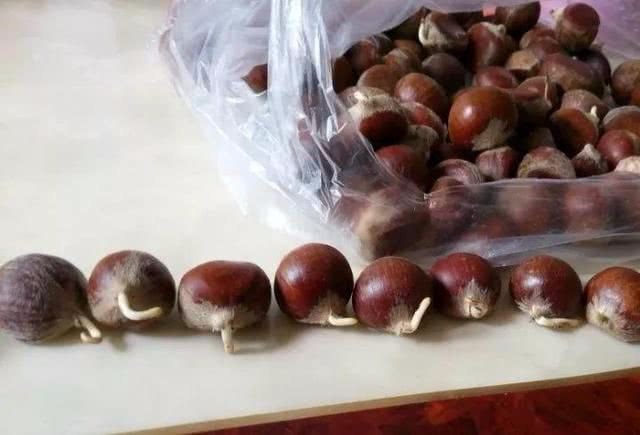
How to grow chestnuts as potted plants? Soil cultivation and water cultivation both look good and you can eat them too
The "grow what you eat" series. Autumn is a beautiful sight, with fallen leaves everywhere, and of course all kinds of food you like. Sweet potatoes, chestnuts, radishes, and cabbage are all in season. So freshly picked ones are the best for planting!...
条件筛选