-
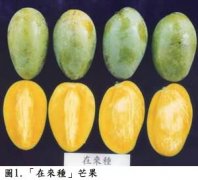
Post-harvest Field Management Methods and Pruning Precautions for Mango
Do you know about Taiwan mango and native mango? According to the cultivation calendar for the Taiwan region, the mango harvest season is about May to October. During this period, the farmers' hard work of the whole year finally pays off. However, the 1 to 2 months immediately after harvest are a critical period for future mango production
-
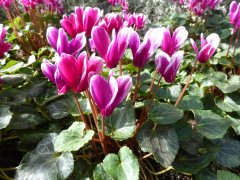
Where is the cyclamen native to? Characteristics and planting precautions explained
Do you know cyclamen? Cyclamen belongs to the primrose family, native to central Europe, southern Europe, Palestine, Asia Minor, the Aegean islands, and the eastern Mediterranean, but its distribution does not extend beyond Iran. There are about 24 original species. The underground storage organ is formed by the enlargement of the hypocotyl,
-
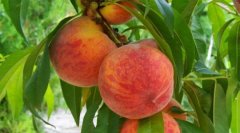
Key Points and Precautions for Organic Peach Tree Cultivation
Fruit trees are perennial crops. After planting, their growing period lasts at least several years, and at most fifty years. Therefore, the quality of environmental conditions is closely related to fruit tree cultivation. The environment for fruit tree cultivation broadly relates to climate (temperature, rainfall, sunlight, wind), soil (moisture, aeration,
-
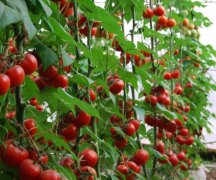
Tomato Growing Methods and Tips: Why the Bottom Turns Black and Planting Precautions
How should tomatoes be grown? Why does the bottom of a tomato turn black? What are the planting precautions and tips? Want to find out? Then let's take a look together! Tomato Growing Methods The tomato, which is both a vegetable and a fruit, is a produce many people love, and it has an extremely large number of varieties, so here is a brief
-
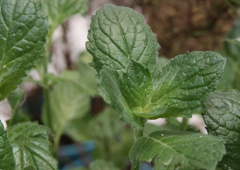
Five Steps for Growing Mint Herbs and a Detailed Guide to Precautions
Busy with work and unable to relax properly? In fact, simply placing a pot of herb planting on your desk, with its unique fragrance and greenery, can relieve the stress of work. Beginners can start with growing mint, especially in the hot summer, where you can pick it fresh at any time and make your own
-

A Detailed Guide to the Use of Organic Fertilizer Fermentation Agents and Precautions
As people's health awareness rises, organic food is receiving more and more attention, and organic fertilizer will gradually replace other fertilizers and become an indispensable fertilizer in crop growth. Organic fertilizer refers to fertilizer made from animal excreta or animal and plant residues and other by-product resources rich in organic matter
-
What are the nutrient contents of common organic fertilizer materials and the precautions for their application?
Organic fertilizer is mainly made from animal excreta or plant and animal residues and other by-product resources rich in organic matter. It includes human feces and urine, barnyard manure, compost, green manure, oilseed cake fertilizer, biogas fertilizer, etc. So, what are the nutrient contents of common organic fertilizer materials? What application precautions
-
Do Humic Acid Fertilizers Count as Organic Fertilizers? How to Use Them and What to Watch Out For
In agricultural production, fertilizers are mainly divided into organic fertilizers and inorganic fertilizers. Inorganic fertilizers are mainly chemical fertilizers, while organic fertilizers generally refer to materials rich in organic matter, such as fermented and decomposed plant residues or animal waste. So, do humic acid fertilizers count as organic fertilizers? How
-
How to grow Aglaonema 'Jili Red'? Cultivation methods, precautions and wealth-attracting placement
Aglaonema 'Jili Red' is a foliage plant with extremely red leaves. Because it is very easy to grow and has high ornamental value, it is deeply loved by flower enthusiasts. So what are the cultivation methods and precautions for Aglaonema 'Jili Red'? Where should it be placed to attract wealth? 1. Introduction to Aglaonema 'Jili Red': 1. Is Aglaonema 'Jili Red' toxic
-
How to Grow Kalanchoe? A Step-by-Step Guide to Cultivation Methods and Precautions
Kalanchoe is also known as the longevity flower, dwarf kalanchoe, and Christmas kalanchoe. Its natural flowering period usually begins in late December and can last until early May of the following year, which is how it got the name "longevity flower." So how do you grow kalanchoe? Below is an introduction to the cultivation methods and
条件筛选