-

Can Bamboo Partridges Be Caught? A Full Explanation of the Relevant Regulations
The bamboo partridge, also known as the mud-slippery bird, bamboo francolin, flat-jar-jar, landlady, and so on, is a bird of the order Galliformes and the family Phasianidae. This bird is distributed in the wild in the mountainous areas of the provinces south of the Yangtze River, and its plumage is brightly colored. So, can bamboo partridges be caught? 1. Can bamboo partridges be caught? If it is just an ordinary bamboo partridge
-
Can plague be cured? An analysis of the risk of plague transmission from pet hamsters
Recently, 2 plague patients were confirmed in Beijing, China, and you may have some worries and doubts. Can plague be cured? Will keeping hamsters at home cause plague infection? 1. Can plague be cured? Most plague patients can be cured. Under certain conditions, through
-
How to Grow Aloe Vera? A Detailed Guide to the Latest Care Methods
The uses and value of aloe vera are remarkable, and the common products we see include aloe juice and aloe gel. It has antibacterial and anti-inflammatory, beauty and skincare, as well as refreshing blood circulation and anti-aging effects. It can also be used to treat constipation, liver-fire headaches, and more. It can be eaten, used medicinally, and processed.
-
How do pitcher plants catch insects? Are they harmful to humans, and how to grow them at home
Pitcher plant, also known as water-pitcher plant, monkey water bottle, monkey urn, piglet cage, and forget-sorrow grass, is an annual herb with no bulb, flowering and fruiting throughout the year. So how does the pitcher plant eat insects? Is it harmful to humans? Can it be kept at home? How to grow it? According to data from the Droseraceae family,
-
How to Grow Pitcher Plants? These Plants Can Catch Insects Too
The pitcher plant gets its name from having an organ resembling a pig cage (the pitcher). Its body is divided into the petiole, the leaf blade and the tendril; the tendril can curl back to form a pitcher shape, which it uses to catch insects. Some people find this interesting and want to grow one. So, how do you grow a pitcher plant
-
A Detailed Guide to Catching Techniques for Farmed Mandarin Fish
I. Catching Mandarin Fish with Nets. 1. Catching Mandarin Fish with Gill Nets: Gill nets can be single-layered or multi-layered, but in actual production, single-layer nets are mostly used to reduce costs. When using gill nets to catch mandarin fish, the nets should be set according to different seasons and different water environments. For example, in reservoirs, nets should be set along the cliff
-
How to solve the feed problem in gecko farming
1 Light trapping: This is one of the most effective methods. The insect season basically coincides with the gecko's main active feeding period, and with the breeding period when it needs the largest amount of food. In addition to hanging lights to attract insects in the rearing house, black-light lamps and ordinary oil lamps powered by batteries can also be used to collect insects.
-
Technical points of manual egg catching in ostrich farming
The ostrich is a bird native to Africa that is huge in size, cannot fly but runs very fast, and is also the largest bird species alive in the world today. It can reach 2.5 m in height, has black and white feathers over its whole body, a long bare neck, short small wings, and long legs. Its usual speed reaches 80 km/h, and at its fastest it reaches
-
Recommended Indoor Flowering Potted Plants: Ten Eye-Catching and Easy-to-Grow Varieties
With the improvement of living standards, placing potted plants in offices and homes has become a trend. Potted plants can not only beautify the environment and delight the mood, but also improve air quality. So, which flowering potted plants are suitable for growing indoors? These ten are eye-catching
-
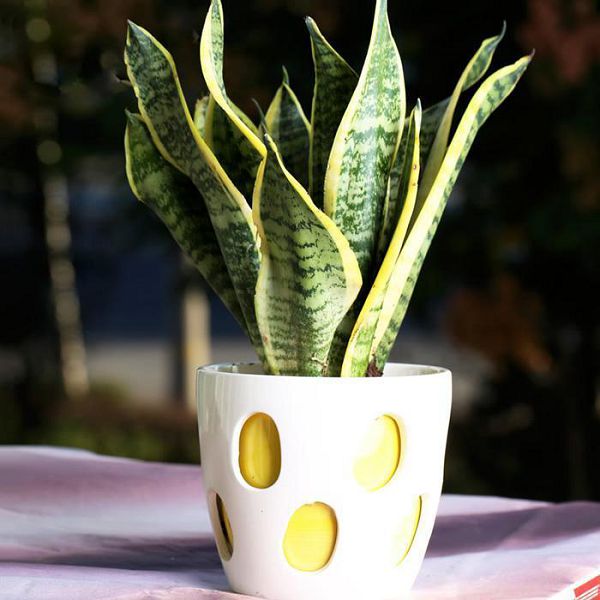
Several ways to tell if a flowering plant has root rot, catch it early and treat it early for better growth
Several methods for judging root rot in flowering plants, detect it early and treat it early so the plant grows better
条件筛选