-

Do Carnivorous Plants Need Watering? Pot Watering and Wet/Dry Assessment Methods
Do carnivorous plants need watering? Potted carnivorous plants call for regular checking and watering on demand; pitcher plants prefer it on the dry side, while Venus flytraps and sundews like it moist. This article covers visual methods for judging whether the potting soil is dry or wet, plus the key points of three watering methods: spraying, pouring and soaking.
-
How to Grow Pitcher Plants for Healthy Growth: Planting Methods and Care Guide
A detailed introduction to pitcher plant planting methods and care techniques, including how to grow pitcher plants, soil mixing, light and watering, propagation methods, fertilizing and pruning, pest and disease control, and other practical content.
-
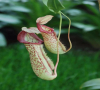
What does a pitcher plant look like, and how should it be cared for so it grows new pitchers?
The pitcher plant (Nepenthes), this unique tropical carnivorous plant, is known for its exquisitely designed pitcher traps and distinctive survival strategy. Its pitchers are not only unusual in form, like delicate traps in nature, but also embody the wisdom of survival - attracting insects with the sweet bait secreted along the rim, then using the digestive fluid inside the pitcher to complete capt
-
A Detailed Guide to the Latest Pitcher Plant Growing Methods
The pitcher plant's beautiful leaf pitchers have extremely high ornamental value. In Europe, America and elsewhere, it is already very common as an indoor potted ornamental plant. In the flower markets of many large and medium-sized cities in China, the graceful appearance of the pitcher plant can also be seen. Use it to accent a living room flower stand, balcony and windowsill, or hang
-
What plant is the latest giant pitcher plant? Read this article to understand
The giant pitcher plant, also known as Attenborough's pitcher plant, was first discovered by two missionaries at the summit of Mount Victoria in central Palawan, the Philippines, as a new type of pitcher plant variety, and was later confirmed by British botanists to belong to a new species of pitcher plant,
-
How to grow pitcher plants best? A full breakdown of the latest care methods
Pitcher plant, also known as water pitcher plant, monkey water bottle, piglet cage, Leigong pot and so on, is the general name for all species in the genus Nepenthes. It is a tropical carnivorous plant, native mainly to the tropical regions of the Old World. It has a unique organ for absorbing nutrients, the pitcher (cylindrical
-
Why do pitcher plants eat insects? What is the reason
The pitcher plant is the collective name for all species in the genus Nepenthes, belonging to tropical carnivorous plants, with its place of origin mainly in the tropical regions of the Old World. The structure of its leaves is complex, divided into petiole, leaf blade and tendril. The inner surface of the lid of the pitcher-shaped body can secrete a fragrance to lure insects. The tail end of the tendril expands and
-
Is the pitcher plant poisonous? Know the facts before you grow one
The pitcher plant is the collective name for all species in the genus Nepenthes, with its native range mainly in the tropical regions of the Old World. In China, only one species is found in Guangdong, and although it grows wild in places such as Sanlingshan and Leizhou in Guangdong, it was rarely used, until the introduction of superior pitcher plant varieties into China after the 1990s
-
How much does a pitcher plant cost per pot? Detailed growing method and precautions
The pitcher plant belongs to the tropical insectivorous plants. The inner surface of the lid of the pitcher body can secrete a fragrance to lure insects. Some people grow it on balconies, in courtyards and other places in the home, so how much does a pitcher plant cost per pot? What are its cultivation method and precautions? How much does a pitcher plant
-
How do pitcher plants catch insects? Are they harmful to humans, and how to grow them at home
Pitcher plant, also known as water-pitcher plant, monkey water bottle, monkey urn, piglet cage, and forget-sorrow grass, is an annual herb with no bulb, flowering and fruiting throughout the year. So how does the pitcher plant eat insects? Is it harmful to humans? Can it be kept at home? How to grow it? According to data from the Droseraceae family,
条件筛选