-

A Grand Roundup of Carnivorous Plants: Get to Know These Amazing Insect-Catching Plants
In nature, there are many plants that are insects. Do you think that's amazing? So, do you know what plants eat insects? Below is a small series for you to take stock of some amazing carnivorous plants. I hope everyone likes them. Sundew, also known as golden thread, white flower leaf, summer without trace, pepper grass, mountain pepper
-
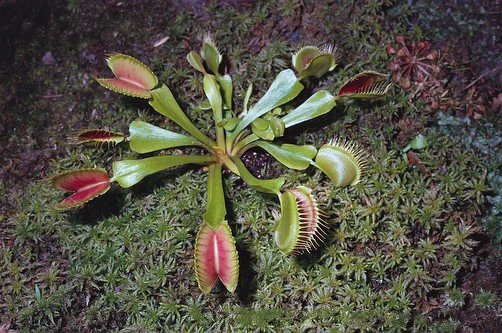
Do carnivorous plants that can eat insects really exist?
There are about 300 species of insect-eating plants in the world, and more than 30 species in our country. Insect-eating plants all seem to be very sensitive. Take the pitcher plant (Nepenthes): at the tip of its leaf there is a pouch shaped like a jar, and from the bottom of the jar flows sweet, fragrant nectar, while the mouth of the jar has a lid. When a greedy little insect crawls into the jar,
-
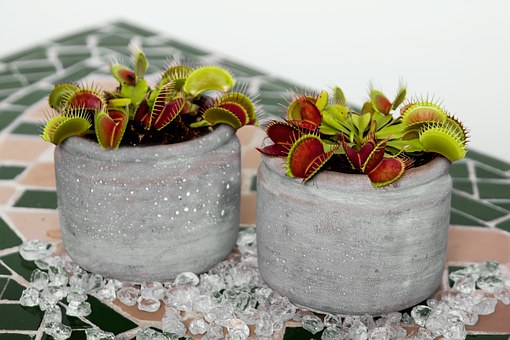
Is the carnivorous plant Venus flytrap poisonous? Plus market price, flowering period and growing methods to encourage blooming
The Venus flytrap, also known as the insect-eating plant, insect-catching plant, etc., is a very interesting perennial carnivorous plant. Because of its strange appearance and its ability to catch insects, it is deeply loved by people, and many people now like to grow it indoors.
-
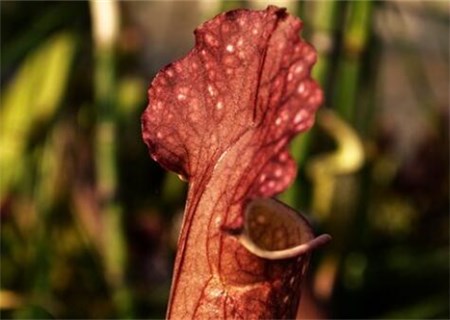
Can carnivorous pitcher plants be grown indoors? Overwintering and watering tips
Pitcher plants (Nepenthes) is the collective name for all species in the genus Nepenthes. They possess a unique nutrient-absorbing organ, the pitcher. Nepenthes grows wild in Sandling Mountain, Leizhou and other places in Guangdong. So do you know whether pitcher plants can be grown indoors? How do they overwinter? How should you water them? Can pitcher plants be grown indoors?
-

How to grow Venus flytraps? A detailed guide to cultivating carnivorous plants
The Venus flytrap is a relatively well-known carnivorous plant. Because of its ornamental value and its fly-catching effect, it is loved by many people and has become one of the most favored household potted plants. So let me introduce the cultivation methods for Venus flytraps: Substrate
-
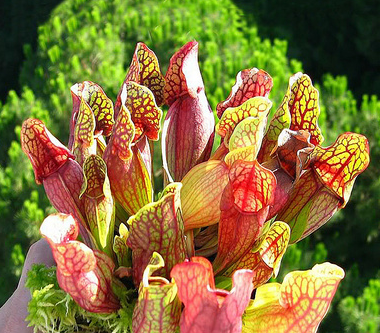
What Are Carnivorous Plants? A Detailed Guide to Their Care
Plants - many people assume they are vegetarian, but that is not actually the case; some plants do eat meat. Let's take a look at what carnivorous plants there are and how to grow them: Pitcher plants. Pitcher plants differ from other carnivorous plants in that they do not only eat small flying insects, but also small animals as large as a mouse. Moreover
-

How to Grow the Carnivorous Pitcher Plant? A Detailed Guide to Cultivation Methods
The pitcher plant is a perennial herbaceous plant. From the tip of each long oval green leaf hangs a small gourd-shaped insect-trapping pitcher. The interior of the pitcher is hollow and cylindrical, with smooth inner walls, and at the top of the pitcher there is a rust-red movable lid that opens and no longer closes once the plant matures. The pitcher is mainly green, with brown or red spots and stripes
-

Carnivorous Plant Recommendations: 3 of the Most Famous Insect-Catching Experts
Summer is when small bugs are most common. You want to kill them but worry that spraying pesticides is harmful to your health, so what can you do? Why not grow some green plants and flowers? Some flower enthusiasts might say that flowers and plants actually attract even more bugs.
-
Apple butterwort pictures and variety names: get to know the carnivorous plant
Chinese name: Apple butterwort Latin scientific name: Pinguicula Family and genus: Lentibulariaceae, Pinguicula genus Place of origin and distribution: hybrid Apple butterwort is a small carnivorous plant with a delicate, graceful character. Its leaves are as beautiful as a flower that is forever in bloom, and the leaf surface is covered with glands that can secrete mucus.
-
Pictures and Variety Names of the Carnivorous Plant Pinguicula primuliflora
Chinese name: Pinguicula primuliflora Latin scientific name: Pinguicula primuliflora Family and genus: Lentibulariaceae, Pinguicula Place of origin and distribution: United States Pinguicula primuliflora is the easiest butterwort species to grow, with low requirements for light, temperature and so on, and it can successfully pass through summer and winter in various places.
条件筛选