-
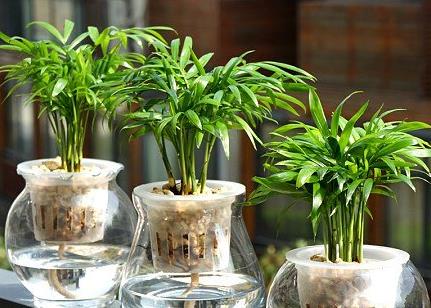
Detailed Guide to Growing and Caring for the Parlor Palm
1. Light: The parlor palm likes partial shade; in strong sunlight its leaves turn yellow and withered. If kept in a spot with insufficient light for a long time, the plant becomes leggy. So indoors it is best placed in a bright spot by a window. 2. Temperature: The parlor palm likes warmth; the optimum growing temperature is 18-24°C, and it enters dormancy at 13°C.
-
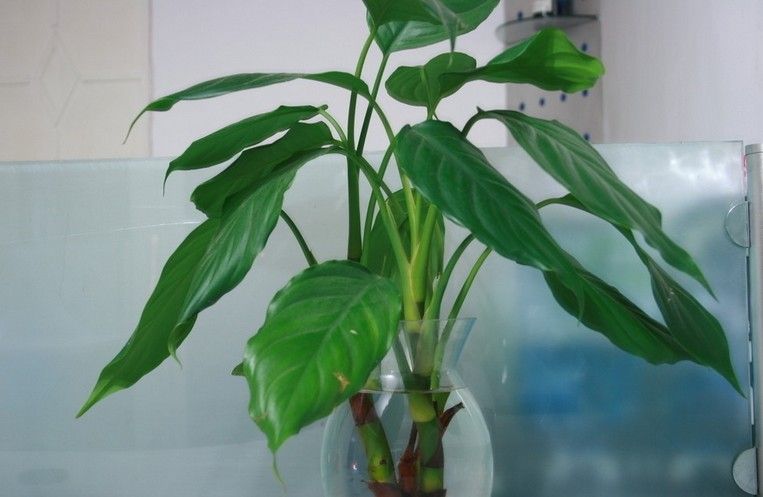
A Detailed Guide to Growing and Caring for Rohdea japonica
Rohdea japonica, as its name suggests, is green all year round; to put it more exaggeratedly, taken literally, it never changes color for ten thousand years. Its symbolic meaning is also excellent. Rohdea japonica has emerald green leaves and stays evergreen through all four seasons; in winter, the green leaves paired with red berries look elegant and beautiful
-
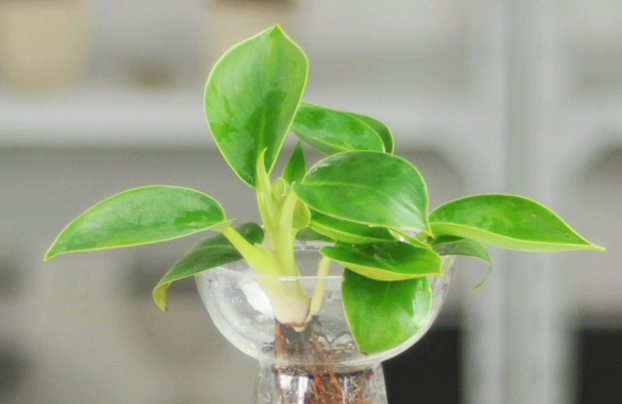
How to grow Philodendron 'Imperial Green' in water? A guide to caring for the lucky plant of Taurus
The Philodendron 'Imperial Green' has upright, emerald-green leaves that are thick and glossy, making it a favorite foliage plant among everyone. So how much do you really know about it - have you only heard of it, or are you already planning to grow one? No matter who you are, as long as it is about Philodendron 'Imperial Green', you are welcome to learn more. Taurus lucky plant, hydroponic Philodendron 'Imperial Green', Taurus
-

Dichondra is non-toxic and can be used as medicine; master the key points of sowing and caring for trailing dichondra
Dichondra is non-toxic and can even be used as medicine, with effects such as protecting the liver and lowering enzymes. For trailing dichondra, spring sowing in April-May is best, the suitable temperature is 21°C, seeds are soaked for 4 hours, and they sprout 7-10 days after sowing. This article shares the sowing method and key points for fertilizing, watering and care.
-
A Detailed Guide to Planting and Caring for the Nipplefruit (Solanum mammosum)
The nipplefruit, Solanum mammosum, is a plant in the nightshade family (Solanaceae) and the genus Solanum. It gets its name because its fruit resembles a nipple, and it is also called the five-fingered fruit because the base of the fruit has several finger-like protrusions. The nipplefruit is a perennial deciduous subshrub with a plant height of up to 2 m and a crown of up to 1 m. Its branches are thick and semi-lignified, with prickles and short fine hairs. Its leaves are opposite, broadly ovate, 10-20 cm long, and irregularly lobed. The flowers are axillary and borne in cymes. The fruit is green, turning golden yellow when ripe, conical with a blunt tip, and variable in size; the largest can reach 10 cm, with finger-like protrusions at the base.
-
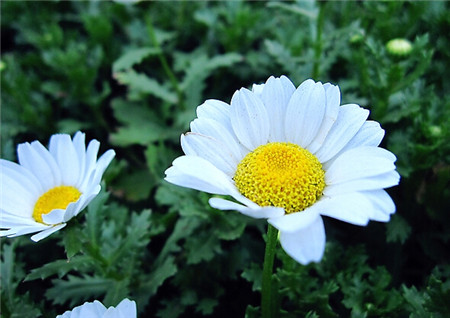
What are the secrets to caring for potted daisies?
Daisies love light and fear heat. In central and southern China, sow in mid-September, plant out in November, and they grow and bloom rapidly in early spring; cultivation and management are relatively simple. But this year, when I inadvertently planted daisies in flower pots of different sizes, I discovered a little secret of daisy cultivation. In early November of that year, I used a pot with a □ diameter of 15 cm
-
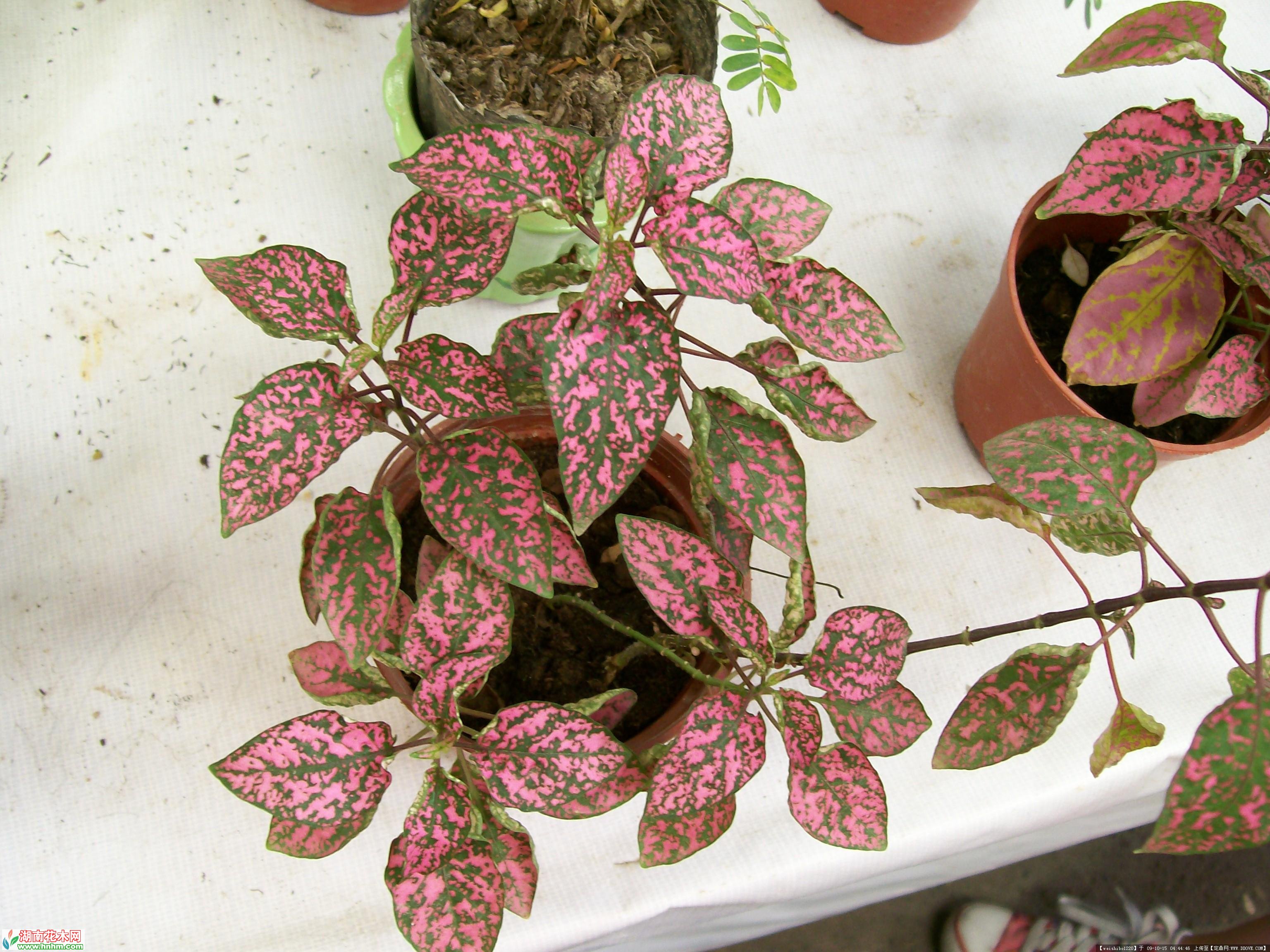
Detailed Guide to Growing and Caring for the Polka Dot Plant
The polka dot plant, also called splash red grass or freckle face, is a plant of the genus Hypoestes, native to Madagascar. It can grow up to 60 cm tall, and about 10-15 cm in a pot. After the branches extend, they become semi-trailing, and the stem nodes root easily. The leaves are opposite, ovate or long-ovate.
-
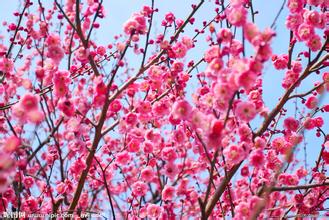
What are the methods for growing and caring for plum blossoms at home?
Plum blossom, also known as dry-branch plum, spring plum, red plum, green plum, etc. It likes an environment with ample sunlight, warmth and humidity, and good ventilation. Its cold resistance is fairly strong, but it cannot tolerate low temperatures below -15°C. It is not tolerant of waterlogging and dislikes standing water. It tolerates poor soil and grows well in fertile, loose, neutral or slightly acidic soil rich in humus.
-
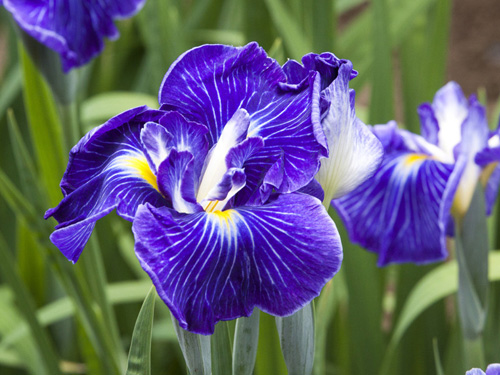
Detailed Key Points for Caring for Japanese Iris (Iris ensata)
Japanese iris (Iris ensata, also known as jade cicada flower) Scientific name: iris ensata Family and genus: Iridaceae Morphological characteristics: Perennial herbaceous emergent aquatic plant with rhizomes. The rhizome is short and thick, with many fine fibrous roots. Leaves are basal, linear, upright, with a prominent midrib and relatively flat lateral veins. The flower stem is usually slightly taller than the leaf clump, bearing two flowers; the flowers are large
-
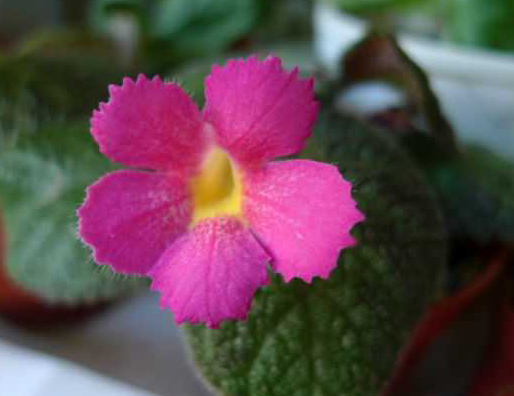
What should be noted when caring for an Episcia?
Episcia is also known as red tongcao. The flowers are solitary in the leaf axils, crimson red, blooming in summer. Common varieties include 'Emerald Queen', with dark green leaves and silver-white midribs; copper-green Episcia, with copper-green leaves and reddish leaf margins; chocolate Episcia, with silver-white main veins, as well as silver-glow Episcia and variegated Episcia, etc.
条件筛选