-
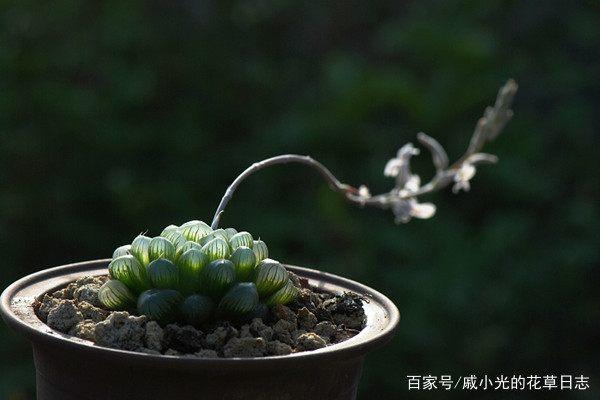
With proper year-round care, potted Haworthia cooperi (Haworthia cooperi) easily grows into a full, overflowing clump, and the watering and fertilizing method is simple yet has its finer points.
Potted Haworthia cooperi is the most common member of the Haworthia genus and a soft-leaved variety among succulents. It is extremely rich in species, with crystal-clear leaves whose bright windows look like living works of art, especially when viewed from a backlit angle...
-
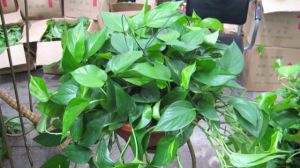
How to grow pothos? These care methods are simple and practical
Growing pothos requires relatively loose sandy loam soil, and it should be placed in a spot that is not easily reached by sunlight, and the temperature should not be too low; spray water moderately at the base of the roots, regularly prune the branches and leaves of the pothos, cutting off all the damaged branches and leaves, and of course, pay attention to proper fertilization.
-
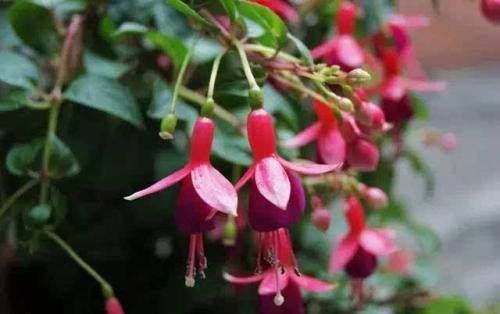
Fuchsia potted plants are delicate and hard to grow, and the summer care method is the key
The fuchsia's flower shape is as unique as its name, with blooms that look like lanterns, carrying the meaning of good fortune and prosperity, and are extremely elegant. Potted plants can be used to decorate balconies, windowsides, studies and bedrooms, and can also be hung on security grilles, corridors and trellises...
-
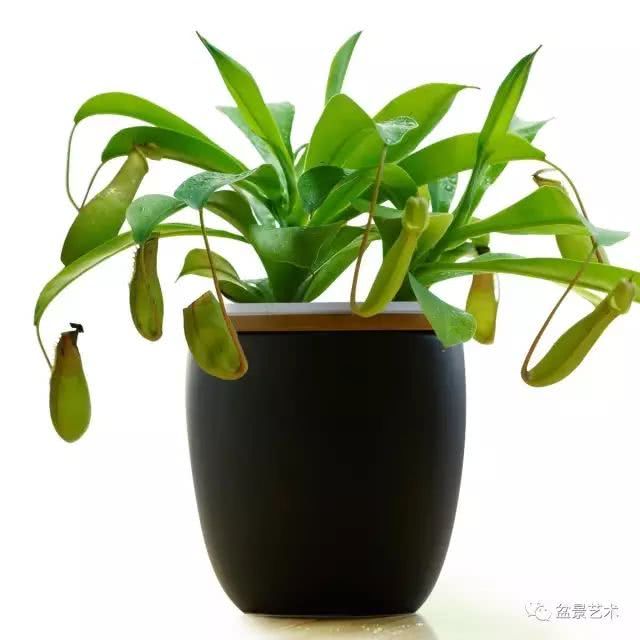
How to grow a pitcher plant as a potted plant? A detailed guide to care and cultivation methods
Medium Pitcher plants prefer a more acidic medium. Peat moss, perlite and vermiculite can be mixed in a ratio of 1.5:1:1. When mixing, add water and stir evenly so the medium fully absorbs water. Soft, acidic water...
-

The role, environmental requirements and care methods of West Lake tamarisk bonsai
There are many varieties of tamarisk, and it also has a distinctive name called weeping tamarisk; it is a deciduous small tree. Its young branches can also be used as medicinal material, with effects in treating illnesses such as colds and rheumatic bone pain. Its branches are slender and soft, and when it blooms...
-
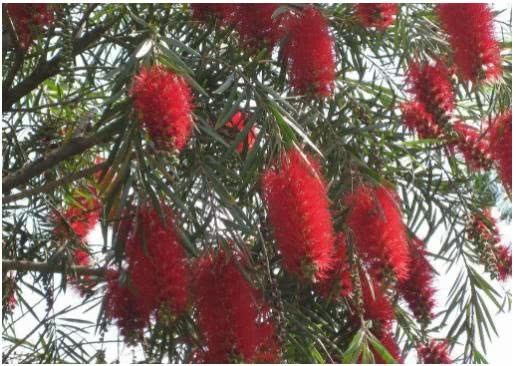
The Uses and Care Methods of the Bottlebrush Tree, with Bright Red Flowers Bringing Prosperity
The bottlebrush tree (Callistemon) is a plant that stays green all year round. It likes to grow in moist environments, and its colors are vivid, giving it extremely high ornamental value. So, I wonder if flower lovers also know what uses the bottlebrush tree has? 1...
-
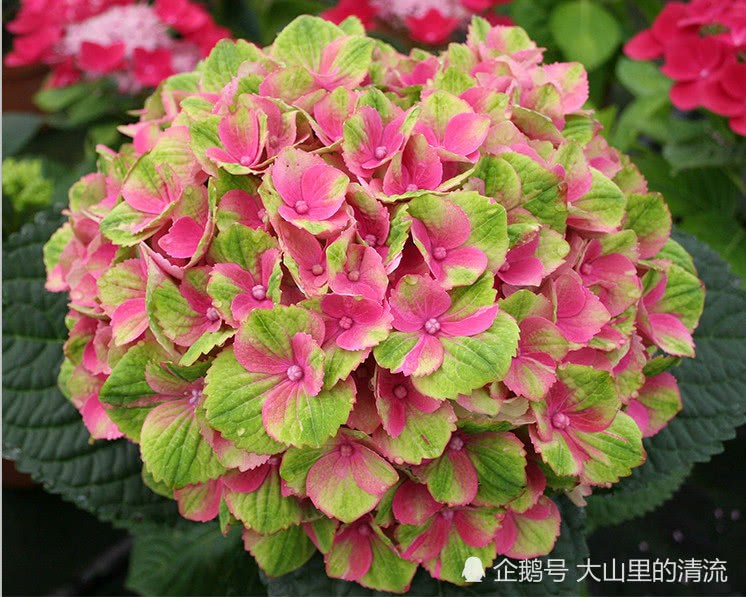
Spring care methods and precautions for hydrangeas
Although summer has already arrived now, and hydrangeas are currently in their glorious blooming period, how to make them bloom well right now makes spring care very important. If you don't know how to manage them and have missed this year's spring, you can still learn it and save it...
-
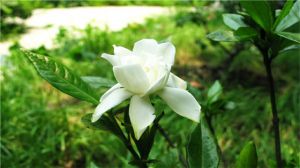
What are the care methods and precautions for growing gardenias?
Soil: Growing gardenias requires loose, well-aerated, slightly acidic soil with a pH between 5-6. Light: It needs plenty of light; except in midsummer, it can be grown directly in sunlight. Water: Keep the potting soil moist except in winter; in summer, take measures to raise the air humidity. Temperature: Normally 20-28°C, and 5-12°C in winter.
-
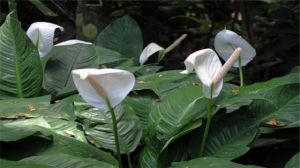
How to care for a peace lily? Growing methods and precautions
To grow a peace lily, use a clay or ceramic pot, and give it soft, breathable, nutrient-rich soil rich in humus, a temperature of around 20°C, a semi-shaded growing environment and enough water. In addition, watch out for leaf spot disease and scale insects. If you want to propagate it, you can use sowing or division.
-
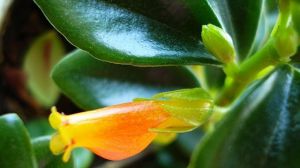
Will Goldfish Plant Die in Winter? A Full Guide to Winter Care Methods
In winter, if a goldfish plant survives two days in an environment below 10 degrees, its leaves will turn yellow and fall off; if the temperature stays below 10 degrees for a long time, it will slowly die; it has a short dormant period during winter, and at this time overwatering can also easily cause death.
条件筛选