-
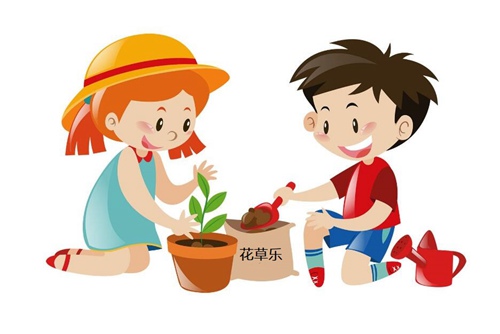
How to Fertilize Bonsai in Different Seasons and the Correct Way to Use Cake Fertilizer
Increasing soil nutrients: organic fertilizers and inorganic fertilizers. Inorganic fertilizers are mostly easily soluble; after application, apart from the portion absorbed and retained by the soil, crops can take them up immediately. Organic fertilizers, on the other hand, apart from a small amount of nutrients that crops can absorb directly, mostly need to be decomposed by microorganisms before crops can use them
-
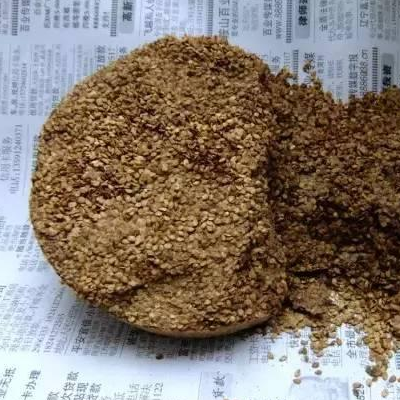
How to ferment cake fertilizer? Methods and tips for using bone meal to grow flowers
When growing flowers, you need to use flower fertilizer, but you always feel that the fertilizer you buy is not good. How do you ferment cake fertilizer? How do you use bone meal to grow flowers: How to ferment cake fertilizer: You can collect residue such as soybean cake, ferment and decompose it, and turn it into organic compost suitable for promoting plant growth. Seal and ferment the residue produced by pressing various oil crops until decomposed
-

What are the processing methods for Renshou sesame cake?
Renshou sesame cake is one of the traditional famous specialty products of the Leshan area in Sichuan. Its characteristics: the cake texture is fine and tender, soft and melting in the mouth, sweet and fragrant with a refreshing taste, and it has a unique flavor. Ingredients formula: sesame powder 7.5 kg, stirred sugar 34.25 kg, cake powder 3.25 kg, cooked flour 5 kg, bean powder 0.25 kg. Production method: 1. Making sesame powder: choose plump sesame seeds, wash them with clean water, remove impurities and sand, take them out and drain the water, then put them in the wok and roast. Roast over low heat until they turn grain-yellow, then take them out, spread them out to cool
-
Detailed Explanation of the Application Methods of Tea Seed Cake in Aquaculture
Tea seed cake contains tea saponin with hemolytic action, 11%-16% crude protein, 5%-7% fat, 40% digestible sugar, 11% nitrogen, 0.37% phosphoric acid, 1.23% potassium, and various amino acids essential for animals and other nutrients, and it has a wide range of applications in aquaculture. ① Pond treatment and water fertilization. Tea seed cake is the preferred pond-clearing agent for ponds with mixed culture of fish, shrimp and crabs. The pond treatment method is: in a pond with a water depth of 30-50cm, use 25kg/hm3 of crushed tea seed cake; for a pond with a water depth of 1m, it can be increased to 50k
-
The Evolution of the Steaming Green Tea Making Process from Cake Tea to Loose Tea
In the production of steamed green cake tea, in order to improve the shortcomings of difficult-to-remove bitterness and improper aroma, the practice of not kneading or pressing after steaming and directly drying was gradually adopted, transforming steamed green ball tea into steamed green loose tea to preserve the tea's aroma. This reform appeared in the Song Dynasty. The "Song History: Treatise on Food and Money" records: "Tea has two types, one called slice tea, one called loose tea," and slice tea is cake tea. In the Yuan Dynasty, Wang Zhen's "Agricultural Treatise" contains a detailed record of the steamed green loose tea process at that time: "After picking, steam briefly in a steamer, achieving the right degree of rawness and doneness. After steaming, spread thinly on baskets and mats, knead while damp, then enter the roasting stage, spread the fire evenly
-
Tea seed cake can be used as a pond-clearing agent
Pond clearing and disinfection generally use quicklime or bleaching powder, but if the pond is used for shrimp farming, using tea seed cake to clear the pond has effects that other agents cannot replace, with better results. Tea seed cake, also called tea seed meal, is a purplish-brown granular residue left after oil is pressed from the fruit of plants in the Theaceae family. Tea seed cake contains saponin, also called saponin glycoside, which is a hemolytic toxin that can dissolve the red blood cells of fish, so it can kill various wild and trash fish such as loach, as well as snails, river mussels, frog eggs, tadpoles and some aquatic insects. Saponin is easily
条件筛选