-

Key Points of Earthworm Breeding Technology and a Detailed Explanation of Daily Management Methods
First use bricks or cement to build the breeding pool, then put the earthworms and feed into the breeding pool. The feed can be waste residue or leftover meat from food processing plants or paper mills, and the specific amount to put in is determined according to the variety. Finally, do a good job of feeding management, including controlling temperature and humidity, ventilation and air permeability,
-
Key Technical Points and Methods for Centipede Farming Explained
The first step is to build the breeding pond, which should be a brick-and-cement structure and provide a warm, cool, humid and quiet environment; the second step is feeding management, raising 200-300 centipedes per sq m, with food mainly consisting of yellow mealworms, crickets, locusts, tender plant leaves, etc.; the third step is preventing natural enemies and diseases,
-
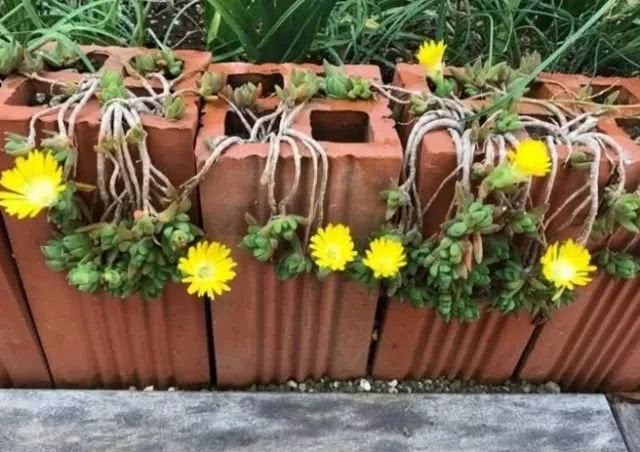
Growing Lampranthus spectabilis in red bricks is rarely seen. Have you ever seen this way of planting?
This flower enthusiast doesn't use flower pots to grow plants, but directly uses red bricks. To be honest, the Lampranthus spectabilis in the red brick gaps really has a bit of messy beauty. The red bricks happen to be filled with sandy soil containing vermiculite, and the space size is just right. Plant the Lampranthus spectabilis into the gaps, and there's no need to worry about drainage and aeration...
-

Cement bricks have diverse uses and are an indispensable helper in the yard
Did you know? Besides being used for construction, cement bricks can also be used to create many more interesting works, such as outdoor seats, flower pots, bookcases, water features, beds, and more. Today, this whole basketful of cement brick application ideas can make your...
-
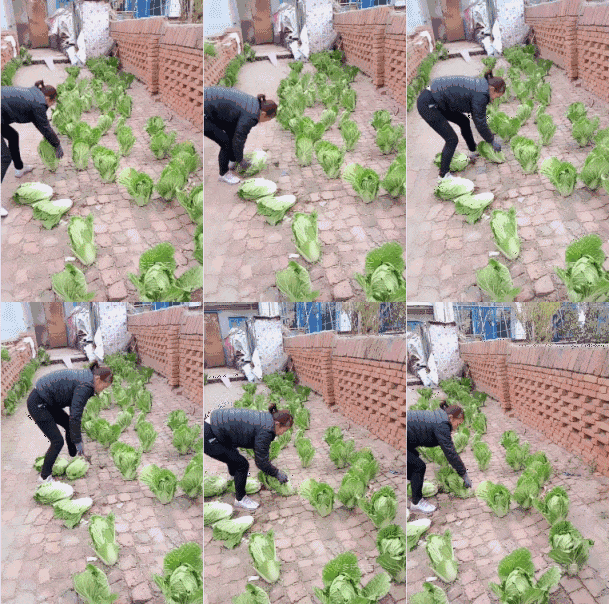
Auntie grows Chinese cabbage in the cracks between bricks, and one plant can weigh four or five jin
It seems Chinese people are born with this amazing skill for growing vegetables. They can grow them in America, in Africa, even in space, and they do not even waste a space as narrow as a brick crack - the aunties plant Chinese cabbage, eggplant, scallions in them... Growing Chinese cabbage in brick cracks...
-
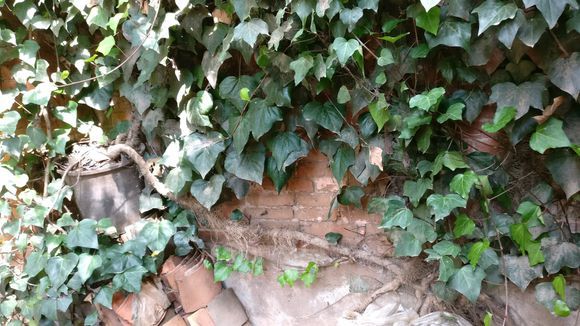
Plants growing in the cracks between bricks in an abandoned courtyard, kept as bonsai, someone even offered a high price to buy them
Plants in an abandoned courtyard, taking root and sprouting in the cracks between bricks, kept as bonsai, someone even wanted to buy them at a high price. These are plants in my family's abandoned old house, planted when I was a child. Because they were unremarkable, no one took care of them. They were originally planted in a bucket, and later...
-

One night I stayed at a widow's house. Years later, a secret son showed up asking for money, and I personally sent him to haul bricks.
I received a letter from a reader, and I'm writing it down to share and encourage one another: My name is Wang Lei. I am 53 years old today. I started working away from home at 20. At first I worked on construction sites and did every kind of hardest labor, including hauling bricks, mixing cement and sand...
-

Put some bricks in the flower pot, and your plants will grow more and more vigorously
In today's society, growing flowers is no longer simply about following the established rules. All kinds of experts have started to find alternative ways, searching for all sorts of things in daily life to care for their plants and flowers. Some ideas are ones you would never even dare to imagine, but the results are actually pretty good, so everyone has started calling them "flower-growing magic tools."
-
Hollow bricks for pig beds: pigs avoid rheumatism and grow fatter and stronger
At present, pig production in China is mainly small-scale or free-range, and pig-raising conditions are relatively poor. In northern China, temperatures from December to February of the following year are very low, only a few pig houses have heating, and the vast majority have low indoor temperatures, with pigs lying directly on concrete floors that are both damp and cold, causing a high incidence of rheumatism in pigs (such as lameness and paralysis), which affects weight gain speed and feed conversion rate. In particular, paralysis in farrowing sows leads to culling, causing great losses. In recent years, the author has used the method of laying hollow bricks as pig beds to prevent rheumatism in pigs, with excellent results. By September
-
条件筛选