-
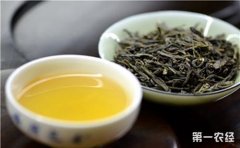
Tea has high nutritional value, so it is too wasteful to throw it away after brewing; the research station promotes healthy tea leaf powder drinks
Is it wasteful to throw away tea after brewing when it still has nutritional value? The Tea Research and Extension Station promotes healthy tea leaf powder drinks. Isn't this better? You can take a good look at it.
-
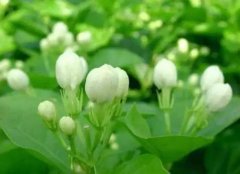
What are the benefits and effects of jasmine tea? A detailed guide to the uses of jasmine in tea
Jasmine flowers can be brewed into tea, a very good health tea; let's take a look at exactly what effects they have. 1. Regulating female hormones Jasmine flowers contain linalool and farnesol, components similar to the hormone progesterone, which can supplement progesterone deficiency and regulate women's
-

How Many Years Until Mon Monk Fruit Bears Fruit? A Detailed Explanation of the Fruiting Timeline
Many friends have probably drunk monk fruit as a tea; it can reduce internal heat and has supportive effects. For growers, what they care about more is how many years until monk fruit bears fruit. Today let's take a look together! 1. How many years until monk fruit bears fruit. Monk fruit generally can bear fruit within one year.
-
Where does dried tangerine peel come from? Introduction to the main producing regions
Dried tangerine peel is a traditional Chinese medicinal herb that can be brewed as tea or used as medicine, so where is the producing area of dried tangerine peel? And what effects does it have? 1. Basic introduction to dried tangerine peel. Dried tangerine peel refers to the dried mature peel of the citrus plant of the Rutaceae family and its cultivated varieties. During production, mature fruits need to be picked, the peel removed
-
What tea leaves are generally used to brew Gongfu tea?
Gongfu tea is brewed with oolong tea leaves. In addition, Fujian rock tea, Tieguanyin, Shuixian and Fenghuang tea can all be used to brew Gongfu tea. However, other tea types such as black tea, green tea, brick tea, scented tea or white tea are not suitable. Let's take a look below at how to brew oolong
-
What tea is good to brew in winter? Recommended teas suitable for drinking in winter
You can brew black tea, oolong tea, dark tea and other teas. Among them, black tea has the effect of warming yang and consolidating qi, dark tea has the effect of nourishing the stomach and warming the body, and oolong tea can moisten the throat and promote salivation. Different teas have different effects: 1. Black tea Black tea is sweet and warm, and can nourish the body's yang qi; black tea contains
-
What is the difference between Chrysanthemum nankingense and wild chrysanthemum, and can it be brewed as tea?
Chrysanthemum nankingense, also known as lianngeng wild chrysanthemum, is a common wild vegetable in Jiangsu, Hunan, Guizhou and other places. It is deeply loved by people because of its effects of clearing heat and detoxifying, calming and sterilizing, but because it looks very similar to wild chrysanthemum, many people think they are the same, so Chrysanthemum nankingense
-
How to Brew Rose Tea? A Full Analysis of Its Benefits and Who Should Avoid It
Rose tea is one of the common flower teas in our daily life. The tea bases used include black tea and green tea, and the flowers include, besides roses, multiflora rose, osmanthus and modern roses. Its fragrance fills the air, and it is slightly sweet and soothing to the throat. It is very popular among women. So what are the benefits and effects of rose tea
-
Efficacy and Effects of Centella asiatica (Gotu Kola) from the Apiaceae Family and How to Brew It as Herbal Tea
There is a wild vegetable commonly found in the grass piles and thickets of rural Kaiping, with leaves that look like copper coins, bright green. Its name is Leigonggen, also known as Centella asiatica (gotu kola), horse-hoof herb, Bengdawan, blood clam shell herb, lamp grass, old ear, and copper coin grass. Now, the efficacy and effects of Leigonggen
-
The Benefits and Effects of China's Four Famous Chrysanthemums and How to Brew Chrysanthemum Tea
Chrysanthemum is a commonly used Chinese herbal medicine, which the ancients called the "guest of longevity." Traditional Chinese medicine holds that chrysanthemum is sweet and bitter in taste and slightly cold in nature, with the effects of dispelling wind, clearing heat, brightening the eyes, and detoxifying. So what are the four famous chrysanthemums of China? What are their respective benefits and effects? China's four famous chrysanthemums: Gongju
条件筛选