-

How to fertilize tea plants scientifically? A full breakdown of the key methods
How to fertilize tea plants scientifically? Please advise. Fertilizer is the food for tea plant growth and the material basis for increasing tea yield and improving quality. Therefore, fertilization plays an important role in the growth of tea plants and the yield and quality of tea leaves. Good fertilization techniques can maximize the yield-increasing effect of fertilization, maintain and improve...
-
How to prevent and control aloe pests and diseases? A full breakdown of practical methods
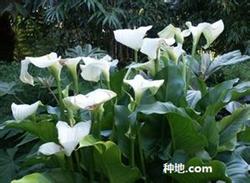
What should you do if you want calla lilies to bloom more? What techniques are needed to make calla lilies grow vigorously and bloom more? You must follow their habits and do the following: ① Plant them in fertile, loose, slightly acidic sandy soil, with a pH value of about 5.5-7. Calla lily growth mainly relies on base fertilizer; during the growth process, lack of fertilizer or excessive fertilization will both cause...
-

How to prune Alocasia macrorrhizos? A full breakdown of the methods and steps
How to prune Alocasia macrorrhizos
-

How to grow gloxinia so it blooms in a bursting pot? A full breakdown of care tips
How to get gloxinia flowers to bloom in a bursting pot
-

What Are the Benefits of Air Plants? A Full Breakdown of Their Effects and Uses
What Are the Benefits of Air Plants?
-

-

How do you care for a ball cactus so it blooms? A full breakdown of care methods
How can you get a ball cactus to bloom?
-
How to grow Phalaenopsis orchids so they bloom more? A full breakdown of care tips
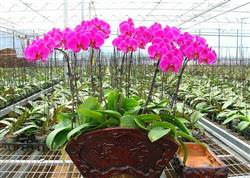
How can you make a Phalaenopsis orchid bloom more? Here are the methods. To make a Phalaenopsis orchid bloom more, you can refer to the following methods: 1. Flower bud differentiation in Phalaenopsis orchids requires a certain annual accumulated temperature, as well as a short period of low-temperature treatment. Low-temperature treatment generally begins 110-140 days before the peak flowering period, and light intensity must be gradually increased one month before treatment to accumulate sufficient nutrients for flower bud differentiation. 7-10 days before treatment, a 100-fold solution of monopotassium phosphate should be sprayed on the leaves 1-2 times.
-
How to prevent and control rose pests and diseases? A full breakdown of practical methods
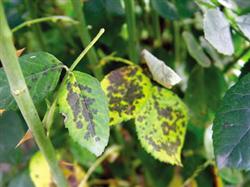
The most common diseases of roses include powdery mildew, black spot, dieback, and rust; there are dozens of possible pest infestations, the most common being scale insects, aphids, spider mites, thrips, slug moth caterpillars, and sawflies. For the above pests and diseases, prevention and control efforts must be intensified. During the dormant period, pruning work should also be carried out...
-

How to grow azaleas? A full breakdown of cultivation and management key points
(1) Potting and repotting: Use yellow mud + leaf mold as the main components, mix in a little river sand as the growing medium, ensure the soil is on the acidic side, and avoid heavy clay soil. When first potting, choose as small a pot as possible, then gradually move to larger pots; azaleas do not need repotting every year, and repotting and soil replacement should only be considered when the roots have filled the pot and water no longer drains out easily. (2) Cutting propagation: The plum rain season is the best time for cuttings, when the new azalea shoots are already semi-lignified and the temperature and humidity are suitable, which is very favorable for the rooting and survival of the cuttings. Take healthy new shoots about 5-7 cm long, remove the lower leaves, keep 3-4 top leaves, and use mountain soil mixed with yellow sand as the base
条件筛选