-

What is the scientific way to store potatoes? A complete breakdown of the methods
For the heap storage method, choose a warehouse with good ventilation and a dry site, first fumigate and disinfect with a mixture of formalin and potassium permanganate, then put the potatoes into the warehouse, generally piling 750 kg per sq m, about 1.5 m high, surround them with crates, baskets or wooden boards, and place several bamboo ventilation tubes in the middle. This method is suitable for short-term storage and the storage of autumn potatoes. For the ventilated warehouse storage method, put the potatoes into baskets and stack them in the warehouse, about 25 kg per basket, and a stack height of 5 to 6 baskets is appropriate. In addition, they can also be piled loose in the warehouse, with a pile height of 1.3 to 1.
-
How to control subsurface pests in upland rice? A full breakdown of practical techniques
In recent years, with the application and promotion of dry-raised transplanting techniques, upland rice cultivation in Gejiu City has become a new highlight of economic growth in mountainous rural areas. How to do a good job in controlling subsurface pests is an important technical measure for developing upland rice production and ensuring increased yield and income. The common subsurface pests of upland rice mainly include white grubs (the larvae of scarab beetles), wireworms (the larvae of click beetles), mole crickets, and cutworms (cut worms). These pests live in the soil during their damaging period, feeding on seeds, young sprouts, roots and stems, causing missing plants, gaps in rows, or
-
How to Store and Keep Sweet Potatoes Fresh? A Full Breakdown of the Technical Points
Sweet potato (Ipomoea batatas) is a traditional product of Shanting District. Since 2000, 3 townships in this district have processed sweet potato jujube for foreign trade companies every year, with an annual processing volume of 1.6 million kg of sweet potato jujube, and have thus developed a set of sweet potato cellar storage and preservation techniques with very good results. The key technical points are introduced as follows: 1. Cellar. Choose a place with relatively high terrain and soil mainly of red loam to build the cellar. The depth of the cellar is preferably about 3 m, and the two storage chambers for sweet potatoes should be no less than 1.8 m in height and no less than 2.5 m in length and width.
-

How to grow black bitter melon for high yields? A full breakdown of cultivation techniques
High-yield cultivation techniques for black bitter melon
-
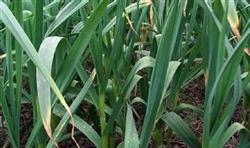
How to Control Onion Maggots in Garlic in Winter? A Full Breakdown of Practical Methods
Thoroughly remove plant residues. Onion maggots have a strong attraction to diseased and dead plant residues, especially rotting garlic plants, so at garlic harvest the garlic residues in the field, at the field edges and along roadsides should be completely removed and destroyed, to reduce the food source for the maggots and at the same time reduce the number of insects remaining in the field. Regulate water and fertilizer and the sowing schedule to disrupt...
-
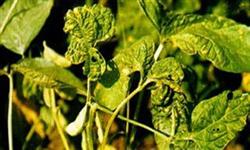
How to prevent and control soybean bud blight? A full breakdown of practical methods
Soybean bud blight, also called bud rot, is one of the soybean viral diseases with a relatively large impact on yield. Depending on the stage at which it occurs, losses range from 25% to 100%. In 1962 in China, similar symptoms appeared on foreign varieties introduced in Shandong Province, and afterward the disease occurred in Hebei, Beijing, Liaoning, Jilin, Heilongjiang and other places...
-
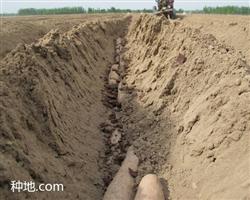
How to prevent and control pests and diseases in Chinese yam? A full breakdown of cultivation methods
How should pest and disease control be carried out after planting Chinese yam? The main pest and disease control methods for Chinese yam are introduced as follows: 1. Agricultural control. 1. Selecting disease-resistant varieties is an effective method for preventing and controlling pests and diseases in Chinese yam. When cultivating disease-resistant varieties, rational arrangement is needed, rotating varieties every 2 to 3 years, and attention should be paid to variety purification and rejuvenation....
-
How to fertilize Chinese cabbage and radish scientifically? A full breakdown of the key methods
How to fertilize Chinese cabbage and radish scientifically? Please explain. Chinese cabbage is an important leafy vegetable. It has a very high yield, reaching more than 5000 kg per mu, so it has relatively high fertilizer requirements. The ratio of the three is 1:0.4:1.1. Therefore, like other leafy vegetables, during the vegetative growth period...
-
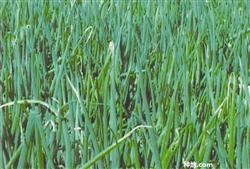
How to manage Welsh onions in summer? A full breakdown of the key techniques
How should Welsh onions be managed in summer? Please advise. Welsh onions prefer a cool, moist environment, with an optimum growing temperature of 15-25°C; above 26°C, growth becomes thin and slow, and above 30°C they enter a semi-dormant state. The first stage generally runs from planting the onions to the start of the dog days, a period when the temperature rises from 15°C to 25°C, which is relatively...
-
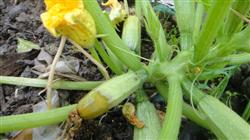
How to Prevent and Control Zucchini Flower Rot? A Full Breakdown of Practical Methods
How to prevent and control zucchini flower rot? What methods can effectively prevent and control it? Zucchini flower rot can be prevented and controlled using the following methods: Environmental regulation: First, reduce humidity. Zucchini flower rot occurs easily in low-temperature, humid greenhouse environments, so environmental regulation should focus mainly on heat preservation and humidity reduction. Since the fruiting period of zucchini...
条件筛选