-
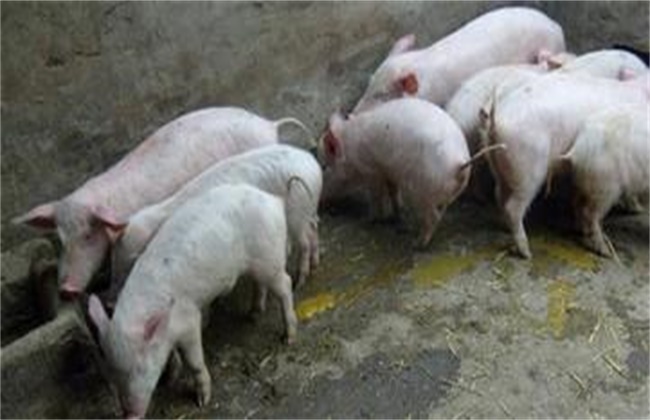
What to Do About Piglet Diarrhea? A Full Breakdown of Prevention and Treatment Methods
What to Do About Piglet Diarrhea
-
How do you care for Portulacaria afra 'Medio-picta'? A full breakdown of growing methods and things to watch out for
Portulacaria afra 'Medio-picta' is commonly propagated by cuttings or grafting. Cuttings are usually taken during the growing season; the cuttings can be the branches trimmed off during shaping, and there are no strict requirements on length...
-
How to Achieve High Yields in Rice-Field Crayfish Farming? A Full Breakdown of the Key Techniques
I. Removing Silt and Disinfecting in Winter and Spring Due to the characteristics of crayfish living habits, they generally prefer water environments with good water quality and abundant dissolved oxygen, and in the water environment...
-

How to prevent respiratory disease in chickens? A full breakdown of practical measures
Measures to prevent respiratory disease in chickens: 1. Select chicks of reliable quality and carry out vaccination properly. Choose hatching eggs free of disease infection to hatch chicks, ensuring the chicks' health. At the same time, the purchased chicks should be properly vaccinated against infectious bursal disease, infectious bronchitis, infectious laryngotracheitis and infectious coryza to prevent the invasion of pathogens such as mycoplasma, which is also the key to preventing chronic respiratory disease. 2. Strengthen feeding management and reduce stress factors. In winter and spring, when the weather is cold, it is essential to greatly strengthen
-
What Dental Diseases Do Dogs Get? A Full Breakdown of Common Types
The most common dental diseases in dogs are gum disease and broken teeth. Periodontal disease is not only harmful to the teeth, but also affects the bone and soft tissue around them, ultimately causing tooth loss. When a dog first develops dental disease, plaque usually appears, and plaque is a breeding ground for bacteria. If plaque is not dealt with promptly, it turns into tartar, and bacteria spread through the bloodstream and can affect the health of the dog's heart, lungs, kidneys, liver and other internal organs, causing disease. There is an old Chinese saying: prevent trouble before it happens. What good ways are there to prevent dental disease in dogs? Correct
-
How to prevent and treat indigestion in pigs? A full breakdown of practical methods
Do not feed pigs too much; if they get indigestion, they will become listless. You can break up steamed bun starter (fermentation starter) into pieces, add an appropriate amount of water, mix it into a thin slop, and feed it to the pigs. If it is a large pig with a big appetite, also mix in cornmeal or fine bran, knead it evenly, ferment it, and likewise feed it as a thin slop. One dose is enough to cure the illness.
-
What Is the Current State of the Silkie Chicken Market? A Full Breakdown of Raising Precautions
The Silkie chicken is one of China's precious chicken breeds. It gets its name from its black skin and black bones, and it is renowned at home and abroad for its high tonic, medicinal and ornamental value. Its breeds include the Taihe Silkie and the Chinese Black Phoenix chicken, among others. The feeding and management of Silkie chickens is basically similar to that of other chicken breeds. 1. The current market state of Silkie chickens. In recent years, as people's health awareness has increased, market demand for Silkie chickens has risen sharply. At present, Silkie chickens are in fairly short supply in most rural markets in China, and prices are climbing. Therefore, farmers who seize this favorable opportunity to raise Silkie chickens in small batches or large
-
What fish preservation techniques are there? A full breakdown of practical methods
1. Wet paper on the eyes. Place soaked paper over the fish's eyes, because behind the nerves inside the fish eye there is a death line, and once this line leaves the water it breaks and the fish dies very quickly. After applying it, the fish can be kept alive for five hours. 2. Hot water soaking. Place the fresh fish in hot water at about 88°C, soak for two minutes, then take it out and put it in the freezer compartment of the refrigerator for quick freezing. Treated this way, the bacteria on the surface of the fish have been scalded to death, and freezing then prevents bacteria from multiplying. After three days, take it out and cook it, and the taste is the same as a freshly killed fish.
-
Rabbits Have Particular Water Needs: A Full Breakdown of Scientific Watering Methods
As the saying goes, "Better to lack a handful of grass than a mouthful of water," which fully illustrates the importance of drinking water for rabbits. So, what exactly does water do for a rabbit's growth, what happens after a rabbit is short of water, and how do you give rabbits water scientifically? 1. The role of water in rabbit growth. In the various tissues of a rabbit's body, water accounts for 70%, and in the blood it can reach 80%; the water content of bones, muscles and internal organs is 45%-75%. Not only is water indispensable for the digestion, transport and absorption of nutrients from all kinds of feed, the excretion of waste products and toxins produced by metabolism is also inseparable from water.
-
What precautions should be taken when processing snake venom? A full breakdown of the key operational points
1. Pay attention to safety when extracting and processing snake venom. To strictly prevent venomous snakes from injuring people, the movements for releasing the snake during and after venom extraction must be quick. When returning a snake that has been milked to its cage, first place the snake's body inside, and when the snake's head approaches the edge of the container opening, let go quickly. If you cannot withdraw your hand in time when releasing the snake, you can easily be bitten by the snake striking back. 2. Venom extraction equipment must be strictly sterilized. 3. If the venomous snake clamps onto the vessel and will not let go, you may gently swing the snake's trunk; if it still will not release its bite, you may gently twist its neck, or use a small stick or your finger to stimulate the snake's cloaca. Never pull hard
条件筛选