-
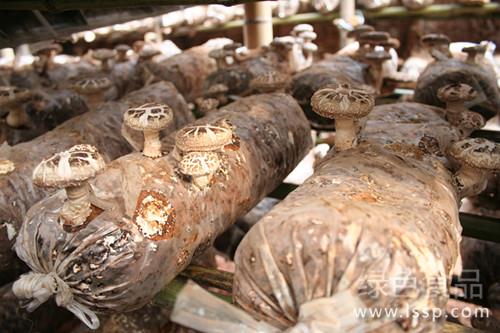
Fertilizing Edible Fungi: Tips to Boost the Second Flush and Increase Yield
Boost the Second Flush and Increase Yield: Fertilizing Tips for Higher Edible Mushroom Production
-
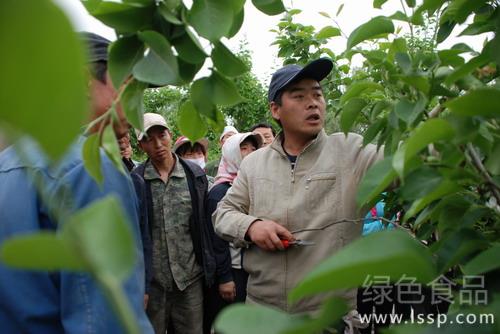
Pear trees rest and store nutrients in autumn, and low-yield orchards can be renovated to boost production
Autumn rest and nutrient storage in pear trees: implementing low-yield renovation to promote high yields
-
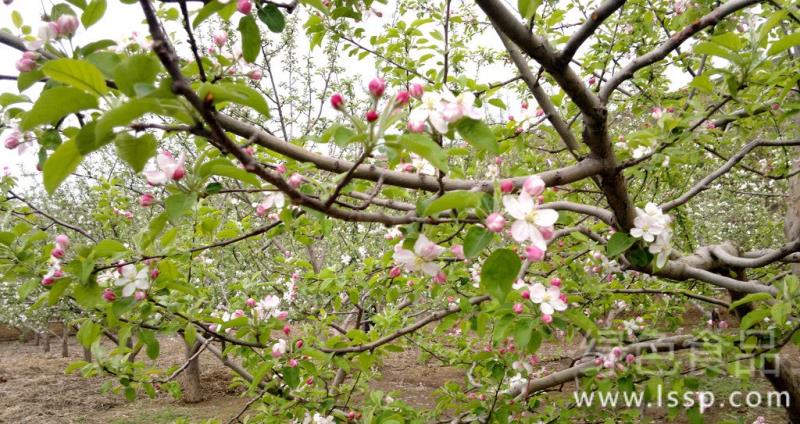
Good apple tree bloom-period management boosts both apple yield and quality
Manage the apple tree bloom period well to raise apple yield and quality
-
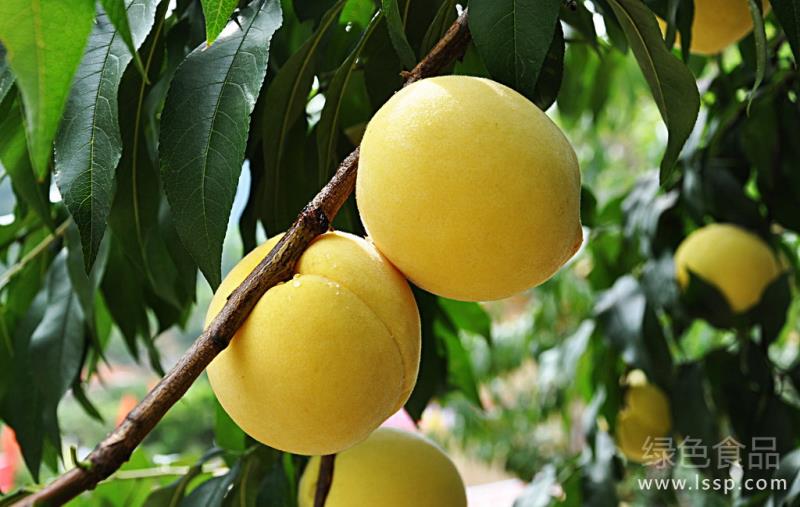
Detailed Guide to Yellow Peach Planting and Cultivation Techniques: Grow This Health-Boosting Fruit Like This
The Health-Boosting Peach: Yellow Peach Planting and Cultivation Techniques
-
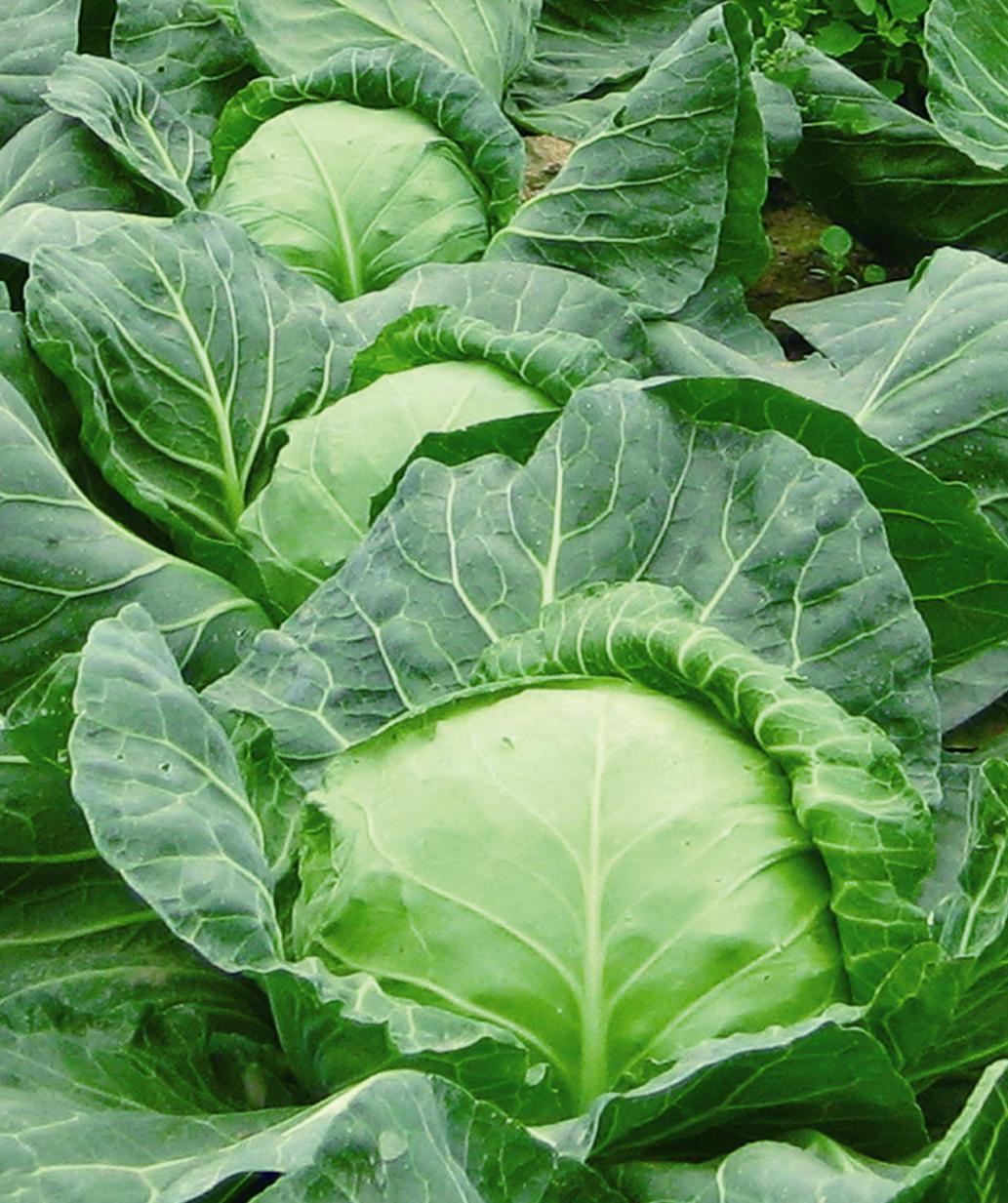
How to grow health-boosting cabbage? Master these seven planting steps
To grow health-boosting cabbage, master these seven steps
-

Potted mosquito-repellent plants and flowers see a big sales boost in summer
At flower markets such as Caozhuang and Liyuan in Xiqing District, mosquito-repellent plants and flowers such as pitcher plants, night-blooming jasmine, lavender and jasmine are especially favored by consumers. It is understood that since midsummer, sales of mosquito-repellent plants and flowers have surged, reaching three times the usual level.
-
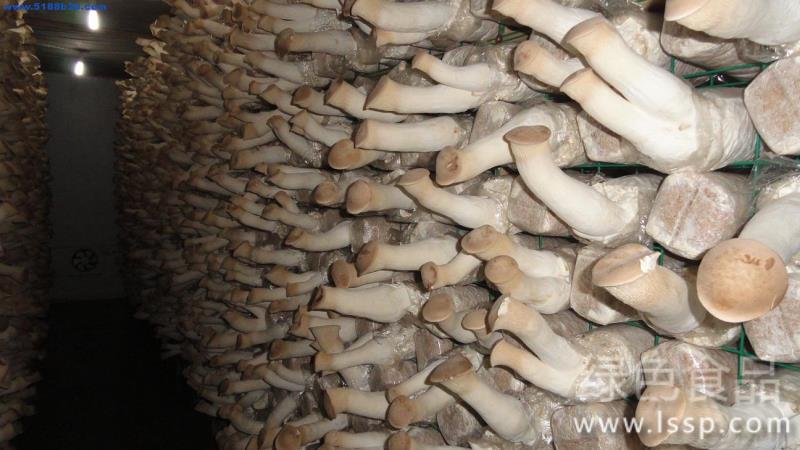
Tips for Increasing Edible Mushroom Yield: Special Methods Help Boost Production
"Little Tips" for Increasing Edible Mushroom Yield Using Special Methods
-
Spraying cotton with fertilizer boosts yield and reduces pests and diseases
Spraying nitrogen fertilizer: Urea has the effect of destroying insect chitin. When cotton aphids (especially summer aphids) occur, mix urea, laundry detergent and water in a ratio of 4:1:400 to prepare a "wash-urea mixture" and spray it, which has a clear killing effect. Spraying phosphorus fertilizer: During the adult occurrence period of cotton bollworm, using 1%-2% superphosphate leachate as a foliar spray fertilizer can convert oxalic acid into calcium oxalate and cause it to lose its attraction to cotton bollworm. The residual effect of each phosphorus spray is generally 2-3 days. Spraying potassium fertilizer: Use 10 kg of plant ash, add 50 kg of water, soak
-
Cotton drip irrigation automation project boosts yields
The Shihezi "Cotton Drip Irrigation Automatic Control Science and Technology Demonstration Project", which has been included in the national plan, will add another 15,000 mu to its experimental demonstration area this year on top of last year's. In recent years, after the Shihezi reclamation area vigorously promoted and applied cotton under-mulch drip irrigation technology, total cotton output and per-unit yield have increased substantially. **Tianye Group Corporation, as the largest domestic producer of agricultural water-saving drip irrigation equipment, has promoted water-saving drip irrigation over more than ten million mu. In order to seize the scientific and technological high ground, the company independently innovated and developed the "Cotton Drip Irrigation Automation
-
Ten Ways to Increase Soybean Yield, Teaching You to Easily Boost Production
1. Checking seedlings and reseeding When soil moisture is sufficient and time still allows, soak seeds of the original variety for 2-3 hours before reseeding; if soil moisture is sufficient but the farming season is already late, you can germinate seeds before reseeding or use early-maturing varieties for reseeding; if the reseeding time cannot be met, you can as early as possible on a cloudy day or a sunny afternoon take seedlings with no less than one compound leaf and transplant them with soil, watering immediately after planting to help them survive. 2. Pinching the growing tip and removing leaves For soybeans showing a tendency toward excessive vegetative growth or late maturation with prolonged greening, you can pinch off about 2 cm from the top of the main stem at the early flowering stage or full flowering stage. Or use a sharp iron strip about 33 cm long
条件筛选