-

Swine enzootic pneumonia causes great harm, and these prevention and control measures must be kept firmly in mind
Swine enzootic pneumonia is a serious swine infectious disease with high morbidity and low mortality that drives up costs and reduces profits in the pig industry. In China, for slaughter pigs of the same 100 kg, pigs infected with this disease suffer a loss of 119 yuan more than uninfected ones. Infection with Mycoplasma alone rarely causes death in pigs, but when other bacteria are also involved, it leads to a long course of disease, difficult treatment, reduced production levels, and possibly a certain mortality rate. Mycoplasma hyopneumoniae is present in the lungs of 80-90% of pigs, and more than 90
-
Can Turtles and Fish Be Kept Together? A Few Things to Know Before You Start
Turtles and fish can be kept together. For mixed turtle-fish culture, the stocking ratio is as follows: per 0.07 hectares, stock 300 silver carp (specification 20-25 g each), 80 bighead carp (specification about 25 g each), 120 grass carp (specification 50-125 g each), 80 common carp (specification about 25 g each), and 80 blunt snout bream (specification 12.5-25 g each). Then stock about 1,200 turtles aged 3-6 years. Fish fingerlings are best stocked before the Spring Festival, while turtles are best stocked after the beginning of spring, when the water temperature has stabilized above 15
-
Can Blood Parrot Cichlids and Koi Be Kept Together?
Someone asked whether Blood Parrot Cichlids can be kept together with koi. The answer is a definite no: these two kinds of fish are simply not suitable for being kept together at all. There are three reasons: First, Blood Parrot Cichlids are tropical fish, while koi are cold-water fish, so their temperature requirements are different. Second, Blood Parrot Cichlids are especially sensitive to low oxygen in the water, and koi also have a very high oxygen demand, so if your tank is small, you should be even less inclined to keep them together. Third, Blood Parrot Cichlids belong to the cichlid family and are somewhat aggressive.
-
There's a right way to inject medication into a sick turtle, and the precautions must be kept in mind
Because turtles have a very hard shell, once a turtle gets sick, its treatment is very different from that of other animals. Practice has proven that when medicating a sick turtle, injection is the most effective method. The following technical points should be noted when injecting a turtle. 1. Never use long or thick needles. A turtle has little exposed muscle, generally only slightly more muscle at the base of the front and hind limbs, but the area is not large. Therefore, choose a thinner and shorter needle. The injection depth is generally about 0.5 cm for a small turtle, 0.8 cm for a medium turtle, and 1.2-1.8 cm for a large turtle.
-
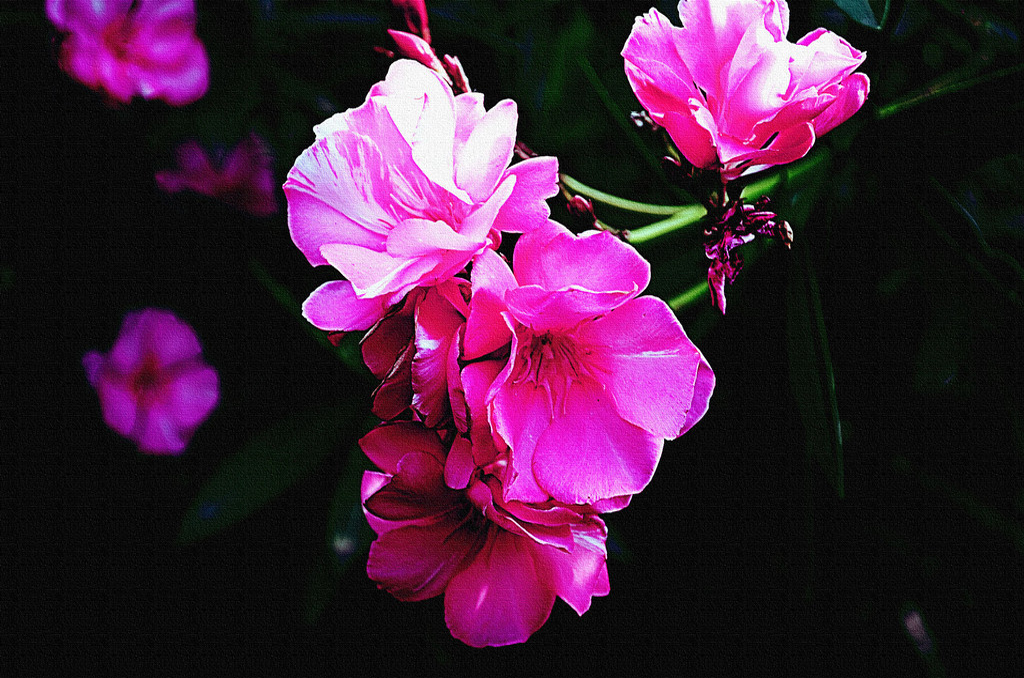
Which flowers cannot be kept at home? Understand clearly before growing flowers
Oleander. Oleander is a common plant in the south. The flowers of oleander are fragrant. The flowers grow mainly at the tips of the branches, clustered together like an open umbrella. Oleander flowers are funnel-shaped, with overlapping petals, in three colors: red, yellow and white, among which red is its natural color
-

How to grow calla lilies? Growing methods and precautions, the soil must be kept moist
Calla lily, as its name suggests, produces flowers shaped like a horse's hoof. It looks very beautiful and is an excellent choice for indoor growing, loved by many flower enthusiasts. In daily life, many beginners choose to grow calla lilies, so how do you grow calla lilies? Compared with other flowers, the calla lily has different requirements for soil, light and so on.
-
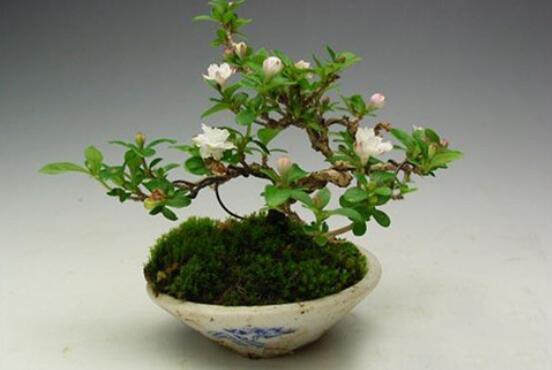
Can the Serissa be kept indoors? The unlucky saying is related to Dou E
Serissa, also known as false baby's breath, not only has beautiful leaves but also snow-white flowers that look truly gorgeous. In everyday life, because Serissa bonsai are very attractive, many flower lovers keep them at home. However, there is a rumor online: keeping a Serissa bonsai is unlucky! What is going on?
-
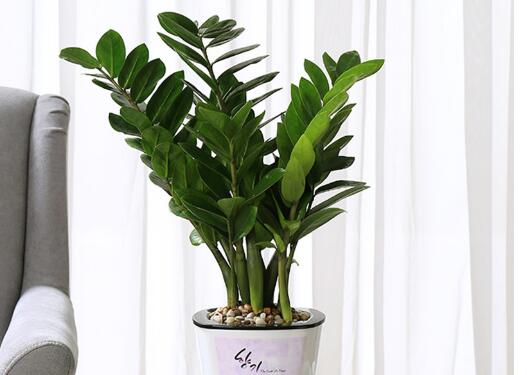
Zamioculcas zamiifolia is toxic but can be kept indoors
Zamioculcas zamiifolia is a perennial evergreen herbaceous plant with high ornamental value, so many people want to grow one at home, but many plants carry a certain level of toxicity, so we need to be clear about this before growing one. Is Zamioculcas zamiifolia toxic? Is Zamioculcas zamiifolia suitable for indoor growing
-
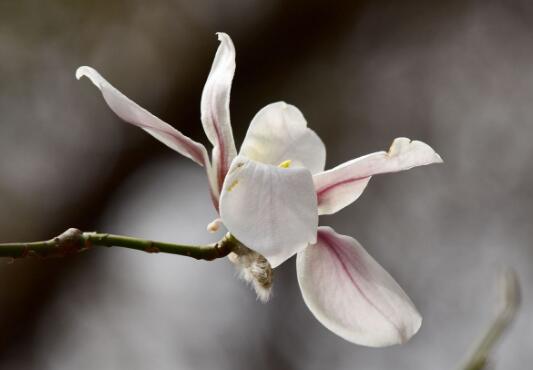
Is magnolia toxic? Non-toxic and can be kept indoors
Magnolia is a plant with a very elegant appearance, giving people a very comfortable feeling, so it is loved by many people, and many people want to grow one at home. However, many plants carry a certain degree of toxicity, and we need to be clear about this before growing them. Regarding whether magnolia is toxic
-
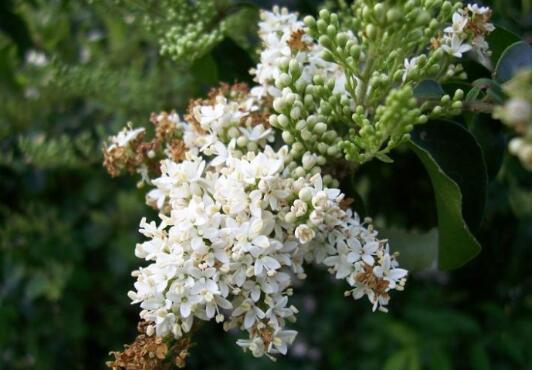
Is Chinese privet (Ligustrum sinense) toxic? Non-toxic and can be kept indoors
Chinese privet (Ligustrum sinense) is a fairly common flowering plant in people's daily lives and has high ornamental value. Precisely because of this, many people want to keep one at home. However, many plants on the market today carry a certain degree of toxicity, so we need to be clear about this before growing one. Regarding whether Chinese privet is toxic
条件筛选