Can the Serissa be kept indoors? The unlucky saying is related to Dou E
Serissa, also known as false baby's breath, not only has beautiful leaves but also snow-white flowers that look truly gorgeous. In everyday life, because Serissa bonsai are very attractive, many flower lovers keep them at home. However, there is a rumor online: keeping a Serissa bonsai is unlucky! What is going on? Can Serissa be kept indoors? Let us clear up the confusion for you.
1. Is Serissa poisonous? No
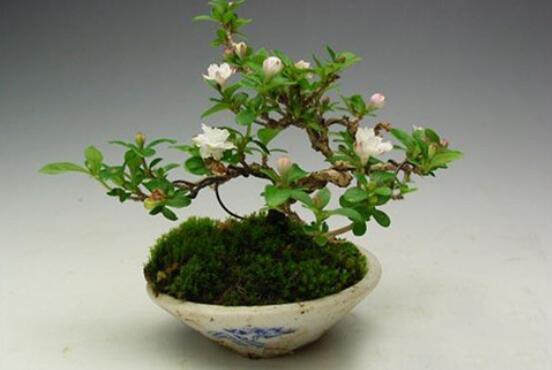
Serissa, a very beautiful flowering plant, is often grown in pots at home. But people often say that the more beautiful a plant is, the more poisonous it is, and Serissa is undoubtedly very beautiful, so is Serissa poisonous? Here, we can tell you clearly that Serissa is not poisonous, and its fresh, pleasant fragrance is also very nice, so everyone can care for it with peace of mind.
2. Is keeping a Serissa bonsai unlucky? It is purely a rumor
The claim that a Serissa bonsai is unlucky is actually related to Dou E. In high school, we studied Guan Hanqing's "The Injustice to Dou E," and from it learned a tragic story: a common woman named Dou E was wrongly judged and sentenced to death. Before her death, Dou E left a dying wish: she said she was innocent and asked heaven to bear witness for her.
And on the very day Dou E's head was cut off, in the early summer month of June, snow suddenly fell from the sky, and later people praised the case of injustice as “June snow.” It is precisely because of the story of "The Injustice to Dou E" that later generations became wary of the three words “June snow,” feeling that it was unlucky and represented heaven's pity.
Gradually, “June snow” came to be associated with the flower Serissa. In addition, Serissa's flowering period is from May to July, and June is exactly its peak blooming period. So everyone feels that a Serissa bonsai is unlucky. In fact, this idea is wrong, because keeping Serissa at home has no effect on feng shui.
3. Can Serissa be kept indoors? Yes
1. Highly ornamental
Serissa has a long flowering period, and its flowers are as white as snow, making it highly ornamental and very suitable for potting on a balcony or placing on an indoor coffee table. Keeping Serissa indoors, when we get up in the morning and see it, our mood will be very happy. So a Serissa bonsai can be kept indoors.
2. Purifies the air
Besides being ornamental, another benefit of a Serissa bonsai is that it purifies the air. Serissa has the common trait of plants: it can absorb carbon dioxide and release oxygen, making the air fresher. When the air at home is fresh, it is not only good for people's health but can also help people relax.
Overall, Serissa is very beautiful. Although it is very similar to “June snow,” there is no real connection between them. So friends who want to grow Serissa can do so with peace of mind, and if you do not know how to grow it, you can also look at Serissa's cultivation methods. That is all we will introduce about the claim that a Serissa bonsai is unlucky.
What is Serissa's flower language? Serissa's flower language and legend / white flowers represent longing
Flower lovers should be familiar with Serissa. It has beautiful leaves and snow-white flowers, and is often kept indoors as a bonsai. Beautiful flowers always have beautiful flower languages, so what is Serissa's flower language? And what poignant legend is there about Serissa? Below, let us take a look at Serissa's flower language and legend.
1. What is Serissa's flower language? Love and longing
The beauty of Serissa leaves a deep impression on all who see it. Its emerald leaves and pure white, snow-like flowers bring a feeling of delight. Beautiful flowers always become objects for people to express their feelings, and from this many beautiful flower languages have also formed. Overall, Serissa's flower language includes: love and longing.
At night, Serissa's small five-pointed white flowers, under the moonlight, are like stars twinkling in the dark curtain, so it is also called “false baby's breath.” False baby's breath has many flower languages: indispensable supporting role, expressing liking, care, longing, joy, watching over love, symbolizing purity, dreams, and so on, so these are also Serissa's flower language.
Serissa's flower language in different combinations
The formation of flower language is related to people's emotions. In addition, combinations between different flowers also form different flower languages. The following are several Serissa flower languages in different combinations:
1. Devoted love: pair red roses with Serissa
2. Kindness and warmth: pair carnations with Serissa
3. Wishing you great prospects: pair gladiolus with Serissa
4. Friendship forever: pair forget-me-nots with Serissa
2. Serissa's flower language and legend
After discussing the beautiful flower language of Serissa, let us look at the poignant legend of Serissa, which is said to be related to Dou E. Legend has it that in Shanyang County, Chuzhou, there was a pitiful common woman named Dou E who was innocent but wrongly accused and sentenced to death. Before she died, Dou E said that she was dying unjustly and that heaven in June would bear witness for her and would send snow. Sure enough, when she died, heavy snow fluttered down in the June sky, and later people praised the case of injustice as June snow.
It is precisely because of this story that everyone became wary of the words June, feeling that this was heaven upholding justice for a pitiful person. Gradually, this meaning was extended to the flower Serissa, and from this even the rumor appeared that a Serissa bonsai is unlucky. And believe it or not, some people really believe it!
As history moved on, Serissa was mostly used by lovelorn men and women or literati to describe a mood like drifting snow, both cold and carrying romantic floating catkins. So after learning about Serissa's flower language and legend, everyone knows now that Serissa cannot be given casually to others, otherwise giving flowers at random may affect the friendship between you and your friends.