How to grow calla lilies? Growing methods and precautions, the soil must be kept moist
Calla lily, as its name suggests, produces flowers shaped like a horse's hoof. It looks very beautiful and is an excellent choice for indoor growing, loved by many flower enthusiasts. In daily life, many beginners choose to grow calla lilies, so how do you grow calla lilies? Compared with other flowers, the calla lily has different requirements for soil, light and so on. Below are the growing methods and precautions for calla lilies. If you want to grow one, read on!
I. How to grow potted calla lilies: soil is the key
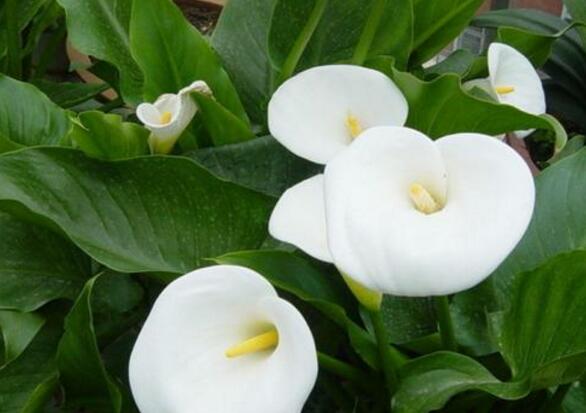
As an excellent choice for indoor growing, the calla lily has become a treasure for many flower enthusiasts, and the points to pay attention to when growing it have basically been figured out. As for how to grow calla lilies, we can start with soil, light, watering, fertilizing and so on. For more specifics, let's continue reading in the growing methods and precautions for calla lilies.
II. Growing methods and precautions for calla lilies
1. Soil: moist and fertile
In the growing methods and precautions for calla lilies, the first thing to use is of course soil. It is understood that this flower likes moist, fertile, slightly acidic sandy loam, so for potted soil, flower enthusiasts should use: mainly sandy loam, mixed with 1/3 garden soil and 1/3 leaf mold each, then blended with 1/5 organic fertilizer.
Precautions: The roots of the calla lily grow on the upper part of the bulb, so the bottom layer of the potting soil should be lined with water-permeable and air-permeable cinder or coarse sand. In addition, the flower pot also has requirements; it is best to choose a clay pottery pot or purple clay pot with a diameter of 30-40 cm.
2. Light: does not like strong light
Among all flowers, except for a few, the rest need light to grow, and the calla lily is one of them. It is understood that the calla lily likes light, and it should get plenty of light when blooming, especially in winter, when sufficient light must be ensured, otherwise the flowering period will be delayed.
Precautions: The calla lily likes light but does not like strong light, especially the strong sun in summer, which it cannot tolerate. So in summer, flower enthusiasts should move it farther away from the window, but the light duration must still be sufficient.
3. Water generously, but no waterlogging
The calla lily likes a moist environment, so when it comes to how to grow calla lilies, watering is the key. In daily care, we should water the calla lily more, but not too much, and be careful that the potting soil does not become waterlogged.
Precautions: When sprinkling water, do not sprinkle it onto the flowers, as this can easily cause soft rot of the leaves. After May, it is best not to water anymore.
4. Temperature: 22-30°C
In the growing methods and precautions for calla lilies, besides soil, light and watering, temperature also needs attention. The calla lily likes warmth, and the optimal growing temperature is 22-30°C. To grow it well, it is best to maintain this temperature.
Precautions: Once the temperature drops below 20°C, the calla lily's growth will slow down, and at 0°C it may even die. So in winter, special attention should be paid to keeping the calla lily warm; if conditions permit, you can turn on the air conditioner.
5. Fertilize frequently
The calla lily likes fertilizer, but it should not be given too much. Under proper fertilization conditions, it will grow very quickly. Once it lacks fertilizer or is over-fertilized, the calla lily's leaves will turn yellow. So in the growing methods and precautions for calla lilies, flower enthusiasts should apply thin fertilizer frequently to continuously replenish the nutrients in the potting soil.
Precautions: When fertilizing, do not pour the fertilizer water onto the leaves. When it grows too fast, promptly remove the outer aged leaves. In addition, in summer, all the calla lily's leaves will wither and turn yellow. At this time, do not worry; this is not a fertilization problem. Flower enthusiasts can take out the tubers, dry them, store them, and replant them in autumn.
III. Precautions for planting calla lilies
Although there are already quite a few precautions in the calla lily growing methods above, to grow calla lilies well and make them produce beautiful flowers, there are still a few points we need to pay attention to, such as repotting the soil, placement location, pruning, and pests and diseases. The specific precautions for planting calla lilies are as follows:
1. Repotting the soil
When you buy a pot of calla lilies, be sure to repot it, because over time the soil will deteriorate, which is not good for the plant's absorption. In addition, from late June to early August, flower enthusiasts can also combine repotting with dividing well-developed large offsets by hand, roots and all, and plant them in prepared pots. As for the propagation methods of calla lilies, more specifics were introduced earlier, so I will not say more here.
2. Placement location
In the precautions for planting calla lilies, the placement location is also very important. The calla lily is afraid of smoke, so if you place it near kitchen cooking fumes, it can easily cause its leaves to drop.
3. Pruning
Besides the points above, pruning is also something to pay attention to with calla lilies. The calla lily is a perennial herbaceous plant and can bloom multiple times a year. Flower enthusiasts should frequently cut off old leaves, which can encourage it to bloom multiple times.
4. Pest and disease control
In the process of growing calla lilies, it is unavoidable to be troubled by pests, such as red spider mites and thrips. In addition, during the dormant period, calla lilies are prone to rot disease. Once discovered, flower enthusiasts must deal with it quickly. As for the specific pest and disease control for calla lilies, it was introduced earlier, so I will not say more here.
How to grow calla lilies: growing methods and precautions for calla lilies
Calla lily is a very common flower in our daily lives. How do you grow calla lilies? Let's take a look together at the growing methods and precautions for calla lilies.
Growing methods for calla lilies:
1. Soil: To grow calla lilies, it is suitable to choose loose, fertile, humus-rich, breathable and well-draining slightly sticky soil. It is best to line the bottom of the pot with a layer of coarse sand, then add soil and leaf mold, and add a small amount of organic fertilizer to ensure good growth.
2. Temperature: Calla lilies like a warm, moist environment and should avoid direct strong light. In summer, when the light is intense, appropriate shading should be provided, while in winter they need to be kept warm. The suitable growing temperature for calla lilies is 22-30°C. When the temperature is below 20°C, the calla lily's growth will slow down, or even stop.
3. Watering: Watering calla lilies should be based on how dry the potting soil is. During the growing period, calla lilies like sufficient moisture. Usually you can spray water on the soil surface, leaves and flowers to maintain a moist environment, and pay attention to keeping the leaves clean so they stay fresh and green.
4. Light: Calla lilies are relatively tolerant of shade in the early growth stage, but in their vigorous growth stage they must have very sufficient light, and during the flowering period they need even more sufficient light to ensure abundant flowers and lush leaves. If the calla lily does not get enough light during the flowering period, it is very easy for the buds to turn green or for it not to bloom.
5. Fertilizing: During the growing period, fertilize calla lilies once every 20 days, using fermented bean cake water; during the peak growing season, apply thin fertilizer frequently, once every 10 days. When fertilizing, do not pour fertilizer water in from the leaf sheaths, to avoid causing the calla lily to rot and die. Too little fertilizer may cause yellowing leaves and malnutrition, while too much fertilizer can also easily cause yellow leaves in calla lilies.
Precautions for growing calla lilies:
1. Planting season for calla lilies: Calla lilies enter dormancy from June to July. At this time, you can take the corms around the mature plant to grow new potted plants. The best growing season is August to September. If using division propagation, it must be done in autumn, otherwise it will be difficult for them to bloom that year or the flowering period will be late.
2. Toxicity of calla lilies: The tubers, spathes and spadices of calla lilies are all toxic, containing large amounts of calcium oxalate crystals and alkaloids. Ingestion by mistake can cause symptoms of poisoning such as coma, so be sure to remember this when growing them.
More informationHow to grow calla lilies: growing methods and precautions for calla lilies
Speaking of calla lilies, many friends should know about them. Calla lilies have white flowers and emerald green round leaves, which I believe are the reasons many people like them. But do you know how to grow calla lilies, and the growing methods and precautions for calla lilies? Then let the editor tell you below!
Growing methods and precautions for calla lilies:
1. Soil: For growing calla lilies, the potting soil should preferably be breathable and well-draining sandy acidic soil. It is best to line the bottom layer of the potting soil with a layer of coarse sand, which is beneficial to the growth of calla lilies, then add one third garden soil and leaf mold, and add a small amount of organic fertilizer. For pots used to plant calla lilies, it is best to choose shallow pots.
2. Temperature: Calla lilies like a semi-shaded environment and should be kept away from strong light. The most suitable temperature for calla lily growth is 22-30°C. When the temperature is below 20°C, the calla lily's growth rate will slow down, and it may even stop growing. Calla lilies like a warm, moist environment, so when overwintering, special attention should be paid to keeping the calla lily warm.
3. Watering: Similar to other potted plants, watering calla lilies should be based on how dry the potting soil is. Before watering, first check the condition of the potting soil. Usually you can spray water on the soil surface and the flowers to keep the potting soil moist. During the growth period, calla lilies like sufficient moisture, so water the leaves and the ground frequently, and pay attention to keeping the leaf surfaces clean.
4. Fertilizing: Phosphorus and potassium fertilizers are suitable for fertilizing calla lilies. Fertile soil is beneficial to the growth of calla lilies, so apply thin fertilizer frequently to ensure the potting soil has enough nutrients. For those who want to save seeds, it is recommended that after the calla lily sets fruit, spray the calla lily with potassium dihydrogen phosphate solution once every 10 days, at a concentration of 0.1% to 0.2%.
5. Light: From the calla lily's own characteristics, calla lilies relatively prefer a warm, shade-avoiding environment during growth, but note that calla lilies at different growth stages have different light requirements. Calla lilies are relatively shade-tolerant during the growing stage. When they are in the vigorous growth stage, they need abundant light conditions. This is especially true when flowering. Regarding light and temperature care for calla lilies, note that calla lilies are relatively shade-tolerant in the early growth stage; in the vigorous growth stage they require sufficient light; and at the flowering stage they need even more sufficient light. During the flowering period, if there is not enough light, it is easy for the buds to turn green or to remain in a bud state without blooming.
6. Propagation: Calla lilies can be propagated by seeds; at a room temperature of 20°C the seeds will germinate. They can also be propagated by corms. After the calla lily enters dormancy, you can peel off the small corms around the plant and replant them. They can bloom after about 2-3 years. After sprouting, move them to a shaded area with scattered light for care, and be careful not to expose them to direct sunlight or keep them fully shaded. Calla lilies prefer semi-shade and humid air. In summer, if measures such as cooling, increasing humidity and preventing strong light exposure are not taken, yellowing leaves or wilting are most likely to occur.
7. Pest and disease control: When ventilation is poor during the growing season, calla lilies are most prone to aphid damage. When pest damage occurs, spray 40% omethoate emulsifiable concentrate diluted 1500-2000 times for control, and pay attention to improving ventilation conditions.
The above methods and precautions for growing calla lilies introduced by the editor are hoped to be of some help to you after reading!