-

Experimental Demonstration and Application of Factory-Based Soilless Seedling Raising of Cotton in the Dongtai Area
Factory-based soilless seedling raising of cotton is a seedling revolution in the history of cotton cultivation. It breaks the decades-old cultivation system of raising seedlings in nutrient pots and transplanting them, making cotton seedling raising and transplanting a simple, rapid, time-saving, labor-saving and cost-saving cultivation method, and opening up a new path for cotton cultivation. In 2003, Dongtai City introduced factory-based soilless seedling raising and transplanting trials. In 2004 and 2005, this technology was introduced successively in Tangyang and Luegang for soilless seedling raising and large-area transplanting trials and demonstrations. The details are summarized as
-
What types can dogs be divided into based on coat characteristics?
The dog's coat is an important skin derivative that protects the dog from adverse external environmental influences and maintains a constant body temperature. The form and color of the coat are important characteristics of dog breeds, and a gorgeous coat is a second life for many toy dogs. The dog's coat consists of top hair, undercoat, and decorative hair. Top hair, also called outer hair, is the main part that constitutes the dog's coat color; it is generally long and coarse, with medullated hair making up the majority, and it mainly serves to keep the dog warm. Decorative hair refers to the hair growing on the ears, tail, and lower limbs that serves a decorative function. According to coat length, dogs are generally divided into
-
Detailed Explanation of Key Techniques for Straw-Based Cultivation of Lotus Root in Shallow Ponds
Straw-based cultivation of lotus root in shallow ponds gives high yields, is easy to harvest, saves water and labour, and the planting area is expanding year by year. The average yield is 4000 kg of lotus root per mu, more than 30% higher than that of ordinary shallow-pond lotus root. 1. Choosing suitable varieties. For seed lotus root, choose early-maturing varieties with thick, round rhizomes, white skin, crisp and tender flesh, sweet taste, good quality and high yield, such as 'Elian No. 4', 'Elian No. 5', 'Jinan White Lotus Root', etc. 2. Building the lotus pond 1. Site selection and material preparation: the lotus pond should be chosen in a sunny place without shade from trees, such as village-edge wasteland, abandoned house sites, disused pits and ponds, low-lying abandoned land, etc.
-
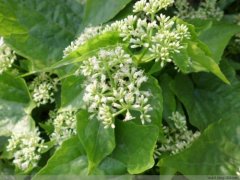
Big and plump strawberries grown with mile-a-minute weed biochar-based fertilizer and vinegar liquid
Mile-a-minute weed biochar combined with vinegar liquid produces big and plump strawberries. Want to learn how? Then read the introduction below. Huang Ying-pin, senior researcher at the Ecosystem Technology Laboratory of the Central Branch of the Industrial Technology Research Institute, says that mile-a-minute weed (Mikania micrantha) is native to Central and South America, harms crop growth, is known abroad as the "mile-a-minute weed", and is also regarded as the "green cancer" of the plant world. Mile-a-minute weed spreads rapidly in Taiwan, China, and is a plant that forestry units want to eradicate as quickly as possible, but it is not entirely useless. Research has shown that mile-a-minute weed is rich in micropores and is a very good charcoal material, which can be converted into "biochar" and "vinegar liquid" through carbonization technology; biochar can be used for soil improvement, and combined with vinegar liquid it becomes a pest and disease control agent or a plant growth promoter.
-
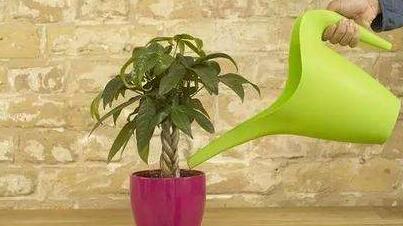
How Often to Water a Bird's Nest Fern? Water Flexibly Based on Climate and Growth
In bird's nest fern care, watering not only keeps the soil moist but also helps the plant maintain high humidity, which is very important for its growth. So how do you water a bird's nest fern? How often should you water a bird's nest fern? Below, the editor will tell you the secrets of watering.
-

What to Do When Roses Get Bugs: Light-Based Pest Control for Potted Plant Diseases and Pests
Because of the beauty of roses, many flower lovers choose to grow them indoors so they can enjoy the lovely view up close. But indoors is certainly no match for the wild, and because conditions are poorer, potted roses can be troubled by bugs. So what do you do when roses get bugs? Soil, light and water failing to meet the standard
-

What to Do When Monstera Gets Bugs? Pest and Disease Control Is Mainly Based on Spraying Pesticides
If a person does not receive timely treatment after falling ill, it may trigger other diseases, and in severe cases it can endanger our health or even our lives. In fact, the same is true when growing Monstera (Monstera deliciosa). If it gets bugs or shows signs of disease, it should be treated promptly.
-
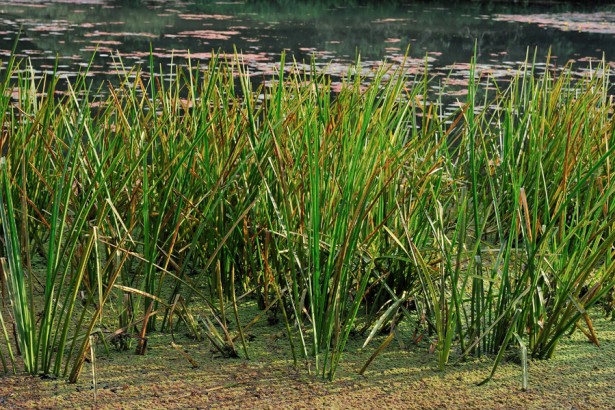
Fushan Botanical Garden in Taiwan, China, built a sound ecological environment based on the concept of tree specimen conservation
Fushan Botanical Garden's monthly plant information service is now online
-
Take a little urban-rural excursion to observe the field-based learning at the Beitou Hudi Community Garden.
Driven by the Garden City policy, community gardens in Taipei City have been sprouting up everywhere in recent years. The Taipei City Government Department of Economic Development has further actively integrated and connected community gardens with urban agriculture, hoping that through positive exchanges of technology and experience between the two,...
-
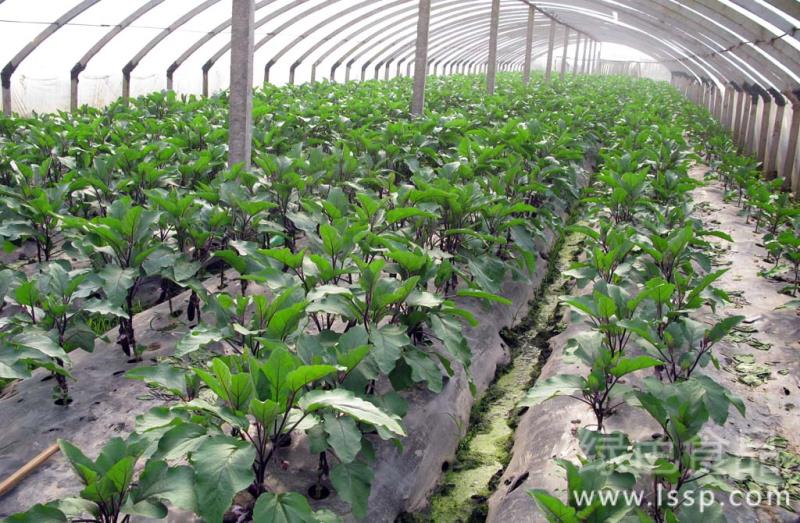
Science-based Fertilization Technology for Pollution-free Vegetables Helps Green Food Cultivation
Science-based Fertilization Technology for Pollution-free Vegetables in Green Food Cultivation
条件筛选