Science-based Fertilization Technology for Pollution-free Vegetables Helps Green Food Cultivation
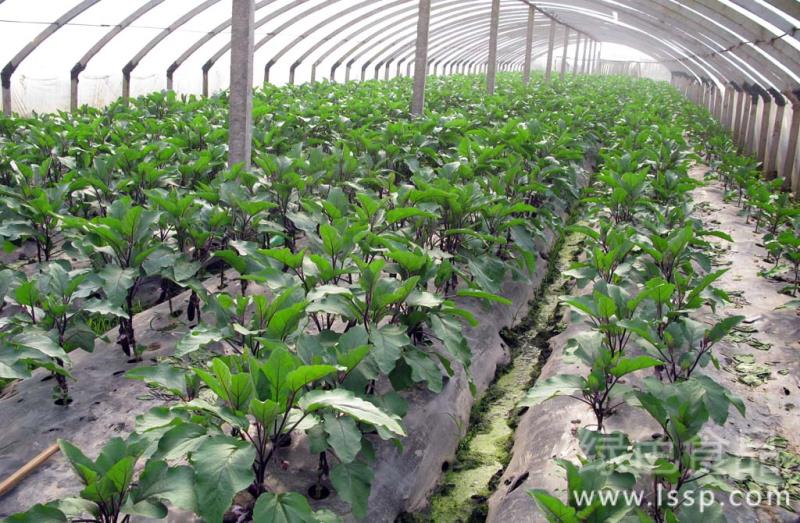
Pollution-free Vegetables
As people's living standards continue to rise, safe, pollution-free vegetables have gradually attracted public attention. So-called pollution-free vegetables refer to vegetables in which the content of harmful substances (such as pesticide residues, heavy metals, nitrites, etc.) is controlled within the limits permitted by the state, so that eating them causes no harm to human health. However, because people have long pursued vegetable yields one-sidedly and used large amounts of chemical fertilizers, harmful substances such as nitrate have accumulated in large quantities in vegetables. According to literature reports, about 81% of the nitrate ingested by humans comes from vegetables. If vegetables with excessive toxic substances are eaten over the long term, it will lead to chronic cumulative poisoning, and ultimately to teratogenesis, disability, and even the occurrence of cancer, seriously harming consumers' health and also causing severe pollution to the agricultural ecological environment. At present, many countries internationally, as well as Beijing, Shanghai, Shenzhen and other places in China, operate market access systems for vegetables, strictly prohibiting substandard vegetable products from entering the market for sale, which has greatly affected vegetable growers' incomes. Research shows that the fundamental reason vegetables accumulate nitrate is that uptake exceeds assimilation; therefore, science-based fertilization can effectively control excessive nitrate accumulation in vegetables, ensure high-yield, safe and high-quality production of pollution-free vegetables, safeguard people's health, promote vegetable export earnings, protect the agricultural ecological environment and increase farmers' incomes.
1 Organic fertilizer as the main component, other fertilizers as supplements
1.1 Apply organic fertilizer heavily
Pollution-free vegetable production should be based mainly on applying organic fertilizer, and the ratio of pure nutrients from organic fertilizer to inorganic fertilizer must not be less than 1:1. Increasing the application of organic fertilizer can reduce the nitrate content of vegetables, because organic fertilizer, through biodegradation of organic matter, releases nutrients slowly, which is beneficial to vegetables' nutrient uptake; at the same time, organic matter promotes the soil denitrification process and reduces the concentration of nitrate nitrogen in the soil. There are many types of organic fertilizer; those permitted for use include compost, barnyard manure, biogas fertilizer, cake fertilizer, and so on. Human and livestock manure should be fully decomposed, and domestic waste may only be used after removing industrial waste and undergoing stockpiling, fermentation and harmless treatment. Organic fertilizer is mainly used as base fertilizer. The maximum application rate of organic fertilizer should be based on the standard of meeting crop nutritional needs. If compost based mainly on chicken manure is used as base fertilizer, when applied to low-fertilizer-demand vegetables such as melon, watermelon, tomato and beans, per 667 sq m2the application rate should not exceed 500 kg; on high-fertilizer-demand vegetables such as cucumber, eggplant and pepper, per 667 sq m2the application rate should not exceed 1000 kg.
1.2 Apply microbial fertilizer as a supplement
At present, in farmland where chemical fertilizers have long been applied in production, the microbial ecological environment has been damaged, beneficial microorganisms have decreased, and organic matter in the soil cannot be rapidly digested, causing blocked decomposition of organic matter, loss of nutrient elements, and reduced utilization of soil resources. However, applying microbial fertilizers such as amino acid micro-fertilizers and humic acid fertilizers can expand and strengthen the activity of beneficial microorganisms in the crop rhizosphere, improve crop nutritional conditions, and make up for the deficiencies of restricted chemical fertilizer use; they should be selected and used according to the actual needs of production.
1.3 Apply nitrogen fertilizer rationally
In order to obtain a certain yield, some vegetable growers use large amounts of inorganic chemical fertilizers, especially the one-sided heavy use of inorganic nitrogen fertilizer, which not only leads to large accumulation of nitrate in vegetable products but also causes high salinization of groundwater, harming human health after ingestion. Pollution-free vegetable production prohibits the use of nitrate nitrogen fertilizer; ammonium bicarbonate has wide adaptability and leaves no harmful residues, and is suitable for application to any crop, but when applied, volatilization loss should be avoided as much as possible to prevent ammonia gas from poisoning the crop; the chloride root in ammonium chloride can weaken the activity of nitrifying bacteria in the soil, thereby inhibiting nitrification, reducing the nitrate available for crop uptake in the soil, and lowering crop nitrate content; ammonium chloride is a physiologically acidic fertilizer and should be used with caution in acidic soil, and should not be applied heavily to chloride-sensitive varieties such as tubers and melons; urea and ammonium sulfate are also nitrogen fertilizers permitted for use in pollution-free vegetable production, and should be selected and applied according to actual conditions in production. After topdressing nitrogen fertilizer, a period of time should pass before harvest, so that the nitrate absorbed by vegetables before harvest is assimilated. For fast-growing leafy vegetables that easily accumulate nitrate, the interval after topdressing nitrogen fertilizer should be even longer.
2 Base fertilizer as the main component, topdressing as a supplement
The accumulation of nitrate in vegetables is related to the content of nitrate nitrogen in the soil at harvest; applying large amounts of nitrogen fertilizer before vegetable harvest will increase the nitrate content in the plant at harvest. Therefore, fertilizer application in pollution-free vegetable production must be based mainly on base fertilizer, with base fertilizer accounting for 50%-70% of total fertilizer demand, and topdressing applied in reasonable split applications during the growth period; scientific use of foliar topdressing can not only reduce nitrate content but also increase vegetable yield, and is an efficient fertilization method, for example spraying amino acids, ammonium molybdate on vegetable leaves, applying CO2 gas fertilizer, etc., and do not use foliar fertilizers containing hormones or hormone-like substances; strictly control the timing of the last fertilization. Research shows that 8 days after applying nitrogen fertilizer is the safe starting period for vegetables to go to market, and thereafter, as time extends, the accumulation of nitrate shows an obvious downward trend. Therefore, about 10 days before vegetable harvest, fertilization is strictly prohibited, especially quick-acting nitrogen fertilizer; both base fertilizer and topdressing should be applied deeply and covered with soil. In particular, shallowly applied nitrogen fertilizer easily contacts the air and is oxidized into nitrate under the action of aerobic bacteria; deep application of nitrogen fertilizer can reduce fertilizer volatilization loss, prolong the fertilizer supply period, and also reduce nitrate accumulation.
3 Implement formula fertilization and use special fertilizer for pollution-free vegetables
The nitrate content of vegetables is positively correlated with the application rate of nitrogen fertilizer. If the ratio of nitrogen, phosphorus and potassium is unreasonable, especially if nitrogen fertilizer is applied excessively, the nitrate content of vegetables will be too high. Therefore, pollution-free vegetables must implement soil testing and formula fertilization technology, carrying out reasonable formula fertilization according to the fertilizer requirements of vegetables and the soil fertility status. Using organic-inorganic special fertilizer for pollution-free vegetable production, formulated with nitrogen, phosphorus, potassium and other trace elements and organic fertilizer, can not only meet the fertilizer requirements of vegetables but also improve vegetable quality and effectively reduce nitrate content. At the same time, this special fertilizer also plays an important role in improving the soil ecological environment of vegetable areas, enriching the soil, enhancing the disease resistance and stress resistance of vegetables, and reducing pesticide and heavy metal pollution. Especially for leafy vegetables, whose edible parts are close to the ground, directly applying human and livestock manure easily causes contamination by pathogenic microorganisms and pest eggs, whereas applying special fertilizer can eliminate pollution sources and reduce contamination.