What to Do When Monstera Gets Bugs? Pest and Disease Control Is Mainly Based on Spraying Pesticides
If a person does not receive timely treatment after falling ill, it may trigger other diseases, and in severe cases it can endanger our health or even our lives. In fact, the same is true when growing Monstera. If it gets bugs or shows signs of disease, it should be treated promptly. So what should you do when Monstera gets bugs? Here is a detailed guide to Monstera pest and disease control.
What to Do When Monstera Gets Bugs
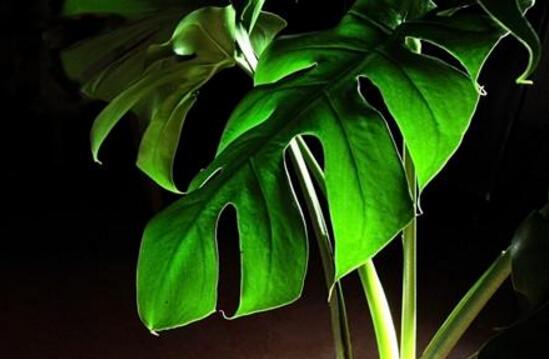
If Monstera gets bugs, it is generally caused by incorrect Monstera cultivation methods or environmental problems. Several common bugs include scale insects and brown soft scale. They attach to the leaves and suck sap, hindering the normal growth of Monstera. What should you do when Monstera gets bugs? You must remove them promptly and prevent them from appearing again.
1. Brown Soft Scale
If you find leaves covered with oily honeydew and black mold spots all over the leaves and branches, it is very likely that brown soft scale has appeared. It mainly harms the tender stems and leaves of Monstera. Adult brown soft scale is flat and elongated-oval, with the left and right sides of the body asymmetrical, which is one of the best ways to identify it.
Treatment: Spray pesticide for control. You can use 2.5% deltamethrin emulsifiable concentrate, diluted to a 2000-fold solution for spraying; you can also use 10% insecto-mite emulsifiable concentrate diluted to a 3000-fold solution for spraying, which will achieve a very good Monstera pest and disease control effect.
2. Scale Insects
Scale insects can parasitize many plants, and Monstera is one of their favorite habitats. They can pose a fatal threat to leaf stalks and leaves.
Treatment: Gently brush them off with a toothbrush, then spray with 40% omethoate emulsifiable concentrate diluted to a 1000-fold solution.
Pest and Disease Control for Monstera
1. Rust Disease
Symptoms: At first, yellow dots the size of needle tips appear on both sides of the leaves, then spread into brick-red or light brown blister spots, after which the leaves turn yellow, wither, and fall off.
Treatment: Remove the diseased leaves. In the early stage of the disease, spray with 20% triadimefon emulsifiable concentrate diluted to a 1500-fold solution; in severe cases, spray with 40% Xinxing emulsifiable concentrate diluted to a 6000-fold solution, for 3 consecutive applications.
2. Gray Leaf Spot
Symptoms: It invades from wounds at the leaf margin. The diseased spots are dark brown, irregularly oval in various shapes, grayish-brown inside the spots, with dark brown edges.
Treatment: Remove the diseased leaves and keep the plant in a ventilated and bright place. Spray with 65% mancozeb wettable powder diluted to a 600-fold solution, then adopt reasonable care practices to reduce the incidence of disease.
Summary: Pest and disease control for Monstera mainly lies in prevention. Many pests and diseases can actually be avoided or even eliminated. As long as you care for the plant attentively and adopt the correct practices, you can prevent pest problems from occurring on Monstera, which benefits its growth and also saves cultivation costs.
Complete Home Flower-Growing Techniques, Teaching You Step by Step "Watering, Fertilizing, Pest and Disease Control"
Complete Home Flower-Growing Techniques, Teaching You Step by Step "Watering, Fertilizing, Pest and Disease Control"
Admiring flowers and growing flowers have now become a fashion, and home flower growing is generally focused on potted flowers. To grow flowers well, you must master care and management knowledge, especially the three key techniques of watering, fertilizing, and pest and disease control. Today, Dadi Ge has compiled a complete home flower-growing guide for everyone. Flower lovers, remember to save it well!!
1. Choosing Water Quality for Watering
Home flower watering mostly uses tap water, but tap water contains the disinfectant bleaching powder, and the chloride ions in it can easily damage the young root hairs of potted flowers. It must be stored for 1~2 days, and only after the chlorine has volatilized and the water temperature is close to the soil temperature can it be used to water flowers. Because the natural arrangement of water molecules in magnetized water has been disrupted by the magnetic field, it is similar to the water molecules in plant cells and is easily absorbed and used by plants, so potted flowers are best watered with magnetized water.
Watering Amount
The principle of watering is "water thoroughly when you water, and water thoroughly without letting it leak out," that is, each time water until water seeps out from the saucer under the pot. In addition, it should also be determined according to the size, depth, and texture of the flower pot. A small pot is shallow, so watering should be less and more frequent; clay pots have good water permeability, and the potting soil dries easily, so water frequently; stone pots and glazed pots do not seep water easily, and with long-term water accumulation, flowers will rot at the roots.
Different flowers and trees have different watering periods. The first is the prefer-wet-over-dry type, referring to flowers and trees that will be damaged and die when the potting soil is completely dry. Such flowers and trees should be watered thoroughly when the potting soil is slightly dry, such as maidenhair fern (Adiantum) and brake fern (Pteris). The second is the prefer-dry-over-wet type, referring to flowers and trees that should be watered after the potting soil has dried completely, such as cactus and aloe. The third is the alternate-dry-and-wet type, referring to flowers and trees that should be watered immediately when the surface of the potting soil is dry to about 3 cm, such as Monstera and pothos.
Watering changes with the seasons. In early spring when it turns warm after the cold, the weather is changeable. At this time potted flowers begin to sprout and root, and their water demand is high, so the potting soil should be kept moist; summer is dry and evaporation is fast, so watering should be doubled; in autumn, watering should be appropriately reduced to prevent branches from growing excessively and affecting flowering the next year; in winter, most flowers and trees are in a dormant state, so keeping the potting soil slightly dry is enough.
Complete Home Flower-Growing Techniques, Teaching You Step by Step "Watering, Fertilizing, Pest and Disease Control"
Watering Time
The daily time for watering flowers differs in spring, summer, autumn, and winter. As the flower proverb says, "Morning water is sweet dew, noon water is arsenic, evening water is a life-saving soup." This means that in spring and autumn, around 10 a.m. and after 4 p.m. are suitable times to water flowers, while in summer you must never water flowers at noon. At noon in midsummer the temperature is highest, and the difference between potting soil and water temperature is greatest. Watering flowers at this time can easily block the normal physiological activities of the root system, weaken the roots' absorption of water, cause physiological drought, and make branches and leaves wilt. By the same reasoning, in winter it is best to water flowers at noon. In short, "water at noon in spring, in the morning and evening in summer, every other day in autumn, and check frequently in winter."
Watering Methods
Before watering potted flowers, the compacted potting soil must be loosened so that the water applied is absorbed in time and does not run out from the edge of the pot. It is best to use a fine-hole watering can to water evenly and thoroughly. For small potted flowers, the pot-soaking method is best for watering, that is, place the flower pot in a larger water basin so that water seeps into the potting soil through the drainage holes, and take it out when the surface of the potting soil is slightly wet. This can prevent the potting soil from compacting due to watering and is beneficial to the root respiration of potted flowers. Generally, shade-loving foliage potted flowers, under the special environment of a dry room and covered by dust, often find it difficult to show their bright true colors. In addition to regular watering, the leaf-surface spraying method of sprinkling water to wash off dust and spraying water to moisten leaves should also be adopted. This method can also cool and refresh potted flowers at noon high temperatures in summer and help semi-dormant flowers break dormancy and continue to bloom well.
Complete Home Flower-Growing Techniques, Teaching You Step by Step "Watering, Fertilizing, Pest and Disease Control"
2. Fertilizing
Types of FertilizerOrganic fertilizer. Organic fertilizer is fertilizer formed from the seeds, organs, remains, or excrement of various plants and animals after processing and decomposition, such as human feces and urine, livestock and poultry manure, oilseed meal, distiller's grains, and weed green manure. Organic fertilizer is a slow-release fertilizer with complete nutrients and long-lasting fertilizer efficiency, and it must be fermented and decomposed before use.
Inorganic fertilizer. Inorganic fertilizer is fertilizer made from chemical synthesis or processing of natural minerals, such as urea, superphosphate, and monopotassium phosphate. Inorganic fertilizer has quick fertilizer efficiency, but its nutrients are simple and its fertilizer efficiency does not last long. Although the nutrient composition is single, long-term use alone will cause the potting soil to compact, so it is better to use it in combination with organic fertilizer.
Complete Home Flower-Growing Techniques, Teaching You Step by Step "Watering, Fertilizing, Pest and Disease Control"
Rational Fertilizing
The principle of fertilizing is timely and appropriate. Timely means applying it when flowers need it, such as applying fertilizer when flower leaves become lighter in color or when the plant grows thin and weak. No matter when, it should be done in appropriate amounts, because excessive fertilizing will affect the growth and development of flowers. Too much nitrogen fertilizer makes plants prone to excessive vegetative growth, with weak stems and leaves, affecting flowering and fruiting, and making them more susceptible to pests and diseases; too much phosphorus fertilizer will hinder flower growth and development and affect flowering and fruiting; too much potassium fertilizer makes plants short, with wrinkled brown leaves, or even withered.
Change fertilizing according to the growth stage of the flower seedlings. During the seedling stage, growth is rapid, so more nitrogen and potassium fertilizer should be applied to make stems and branches thick and strong and the root system well developed; before flowering and at bud emergence, apply more phosphorus fertilizer to promote larger flowers, beautiful color, and plump buds; spraying monopotassium phosphate during color change and after flowers fade can prevent flower and bud drop; during the flowering period and early fruit set, fertilizer and water should be controlled, otherwise flowers and fruits are prone to drop.
Change the fertilizer concentration according to seasonal changes. In winter, the temperature is low and plant growth is slow. Most flowers are in a dormant or semi-dormant state, so fertilizer is generally not applied. Spring and autumn are peak growing seasons, so more topdressing should be applied appropriately. In summer, the temperature is high, water evaporates quickly, and flowers grow vigorously, so adhere to the principle of applying light fertilizer frequently. Organic fertilizer must be fully decomposed before application. The concentration of chemical fertilizer applied must not be too high, to prevent flowers from being "burned to death."
In different seasons, fertilizing times differ. Generally, in summer it is best to fertilize in the evening, and in winter it is best to fertilize around noon. Generally, fertilizing can be done on sunny days when the climate is dry or before rain, but not after rain or during continuous cloudy and rainy days; apply more when the climate is warm and suitable for growth, and do not apply when the climate is hot or cold and plants are in a semi-dormant or dormant state; apply when the potting soil is dry, not when it is wet; apply more to old potting soil and less to newly changed potting soil; apply less when base fertilizer is sufficient, and more when there is no base fertilizer or it is insufficient.
Fertilize according to the characteristics of the flowers. For foliage-focused flowers, such as pine, bamboo, and spider plant, nitrogen fertilizer is the main type, which can promote the growth of branches and leaves and give them a deep green color. For flowers focused on viewing blossoms and fruit, more fertilizer is needed. When growing branches and leaves, apply 1~2 times fertilizer mainly based on nitrogen fertilizer; during the growth stages of flower bud differentiation, bud formation, and before flowering, fertilizer mainly based on phosphorus fertilizer should be applied, which can make them bloom abundantly and bear plentiful fruit. Generally, for diseased or newly transplanted flowers, do not fertilize for the time being; for flowers in the flowering period, it is best not to fertilize, so as to avoid causing buds and flowers to drop.
Complete Home Flower-Growing Techniques, Teaching You Step by Step "Watering, Fertilizing, Pest and Disease Control"
Fertilizing Methods
Base fertilizer. There are generally 2 methods for applying base fertilizer: one is to evenly mix the fertilizer with potting soil in a certain ratio (about 1:9) and then cultivate flowers, which can both improve the physical properties of the soil and supply the nutritional needs of flowers throughout their growth period. The second is to place a small amount of fertilizer at the bottom of the pot when potting, repotting, or changing the soil of flowers, generally not exceeding 1/10 of the potting soil, and covering it with 1 layer of soil before planting the flowers.
Topdressing. There are generally 2 methods for topdressing: one is soil application, that is, applying fertilizer directly into the soil. For liquid topdressing, first dilute it and spray it into the potting soil; for solid topdressing, it can be evenly scattered on the surface of the potting soil and then covered with 1 layer of soil. Note that after fertilizing, water should be applied to aid absorption. The second is foliar spraying, also called root-outside topdressing, which has the advantages of saving fertilizer and taking effect quickly. It is usually used during the vigorous growth period of flowers or when a certain element is lacking. Generally, inorganic fertilizer is prepared into a concentration of 0.1%~0.5% and sprayed in the morning or evening when there is no wind, so that the leaf surface is moist, which is suitable. The most commonly used are urea, monopotassium phosphate, superphosphate, ferrous sulfate, etc.
Complete Home Flower-Growing Techniques, Teaching You Step by Step "Watering, Fertilizing, Pest and Disease Control"
3. Common Pest and Disease Control
Diseases① Powdery mildew. Diagnosis of powdery mildew: yellow transparent small spots appear on the leaf surface, then gradually spread to the entire leaf, white powdery spots appear, and in the later stage the diseased spots turn gray. It mainly harms many flowers such as Chinese rose, rose, dahlia, chrysanthemum, peony, cineraria, garden balsam, and banksia rose.
② Anthracnose. Diagnosis of anthracnose: yellow-brown sunken spots appear on the leaves and spread outward into dark brown round spots, or irregular patches appear on the leaves, and the leaf tips dry up and continuously spread downward. In the later stage, black small dots form on the diseased spots, often arranged in concentric rings, and in severe cases the leaves wither and die. It mainly harms many flowers such as orchids, rubber tree, Rosa species, Cactaceae species, peony, jasmine, China pink, and fishtail palm.
③ Black spot disease. Diagnosis of black spot disease: nearly round or irregular black diseased spots appear on the affected leaves, gradually expand, and in severe cases the leaves turn yellow, fall off, and may even lead to plant death. It mainly harms flowers such as Chinese rose, azalea, camellia, cherry, and elm-leaved spirea.
Complete Home Flower-Growing Techniques, Teaching You Step by Step "Watering, Fertilizing, Pest and Disease Control"
Control methods:
① Agricultural control. Strengthen cultivation management, appropriately increase the application of phosphorus and potassium fertilizers to enhance plant disease resistance, and remove diseased and fallen leaves early and burn them to clean the environment and reduce transmission vectors; pay attention to ventilation and light transmission.
② Chemical control. In the early stage of disease, spray 1:1:100 Bordeaux mixture for protection to stop the occurrence and development of the disease; in the early stage of disease, spray fungicides including 50% carbendazim, 50% tuijunte, 65% zineb, 75% chlorothalonil, and 50% thiophanate 500-fold solution, and 50% benlate 1000-fold solution.
Pests
① Aphids. Aphids are also called greasy insects. They can occur throughout the year and mainly harm bougainvillea, chrysanthemum, pomegranate, etc. The affected plant's leaves curl, branches and leaves turn yellow, causing a large number of leaves and flowers to fall off, and in severe cases causing the plant to die quickly.
Control method: Soak 50 g of red chili pepper in 30~50 g of water for 24 hours, and spray the affected plants with the filtrate. The control effect is very good. Alternatively, spray 40% dimethoate emulsifiable concentrate 2000~3000-fold solution, 50% menazon emulsifiable concentrate 1000~1500-fold solution, or 80% dichlorvos emulsifiable concentrate 3000-fold solution.
② Red spider mites. Red spider mites are also called fire dragon bugs and occur in multiple generations per year. They mainly harm the leaves and petals of wild elm, Sageretia thea, five-needle pine, etc. The body of the red spider mite is about the size of a needle tip, dark red or purple, and with the naked eye only a small red dot can be seen. The affected plant's leaves lose green, the leaf margins curl upward, leading to scorching and falling off, causing early shrinking of flower buds, and in severe cases plant death.
Control method: Soak 50 g of citrus peel in 0.5 kg of water for 24 hours, filter, and spray the plants, or spray dicofol 1500-fold solution or 40% omethoate 2000-fold solution for control. When spraying, spray both the front and back of the leaves for a better effect.
Complete Guide to Home Flower Growing, Home Flower Growing Techniques and Tips Knowledge
Growing flowers is one of the ways modern people entertain themselves. Growing flowers nourishes the spirit, and tending flowers calms the mind. Through the ages there have been countless famous poems and lines praising flowers, and without having planted and grown them, one cannot understand this natural pleasure. However, what should be noted when growing flowers?
First, you should grow suitable flowers. Some flowers are not only beautiful in appearance but can also absorb harmful gases indoors. For example, spider plant and aloe can absorb formaldehyde in newly decorated houses; plum blossom and China pink can absorb sulfur dioxide in the air; narcissus and chrysanthemum can absorb nitrogen oxides. Most flowers carry out photosynthesis during the day and release oxygen, while cactus is just the opposite. If mixed and planted together, they can maintain oxygen output, which is beneficial to body and mind.
Second, do not grow flowers with strong fragrance or irritating or even toxic odors. Roses, lilies, and others have rich fragrances, but if too many are placed, they can easily stimulate the brain and cause inability to sleep at night; the fragrance of tulips can cause diseases such as skin allergies; the stems, leaves, and petals of oleander are toxic, and if accidentally eaten, they can cause poisoning. In addition, if there are too many flowers, they release a lot of carbon dioxide at night, which is also harmful to the human body.
Finally, the mindset for growing flowers should be well adjusted. Flowers are also life and need water and sunlight. Do not miss watering times, and do not leave them without sunlight for long periods; fertilize appropriately, and do not let flowers be bitten by mosquitoes and insects. At the same time, do not over-care for them by watering all the time or handling them constantly. Flowers need rest, and frequent disturbance can easily make them weary. Some people will grow nothing but rare and precious flower varieties, but most of these flowers have harsh cultivation conditions, and if these people themselves have no time or energy, it can only end in vain joy.
Complete Guide to Home Flower Growing Knowledge 1. Watering1.1 Choosing Water Quality
Home flower watering mostly uses tap water, but tap water contains the disinfectant bleaching powder, and the chloride ions in it can easily damage the young root hairs of potted flowers. It must be stored for 1~2 days, and only after the chlorine has volatilized and the water temperature is close to the soil temperature can it be used to water flowers. Because the natural arrangement of water molecules in magnetized water has been disrupted by the magnetic field, it is similar to the water molecules in plant cells and is easily absorbed and used by plants, so potted flowers are best watered with magnetized water.
1.2 Watering Amount
1.2.1 Watering Principle
The principle of watering is “water thoroughly when you water, and water thoroughly without letting it leak out,” that is, each time water until water seeps out from the saucer under the pot. In addition, it should also be determined according to the size, depth, and texture of the flower pot. A small pot is shallow, so watering should be less and more frequent; clay pots have good water permeability, and the potting soil dries easily, so water frequently; stone pots and glazed pots do not seep water easily, and with long-term water accumulation, flowers will rot at the roots.
1.2.2 Watering Period
Different flowers and trees have different watering periods. The first is the prefer-wet-over-dry type, referring to flowers and trees that will be damaged and die when the potting soil is completely dry. Such flowers and trees should be watered thoroughly when the potting soil is slightly dry, such as maidenhair fern (Adiantum) and brake fern (Pteris). The second is the prefer-dry-over-wet type, referring to flowers and trees that should be watered after the potting soil has dried completely, such as cactus and aloe. The third is the alternate-dry-and-wet type, referring to flowers and trees that should be watered immediately when the surface of the potting soil is dry to about 3 cm, such as Monstera and pothos.
1.2.3 Watering Season
In early spring when it turns warm after the cold, the weather is changeable. At this time potted flowers begin to sprout and root, and their water demand is high, so the potting soil should be kept moist; summer is dry and evaporation is fast, so watering should be doubled; in autumn, watering should be appropriately reduced to prevent branches from growing excessively and affecting flowering the next year; in winter, most flowers and trees are in a dormant state, so keeping the potting soil slightly dry is enough.
1.3 Watering Time
The daily time for watering flowers differs in spring, summer, autumn, and winter. As the flower proverb says, “Morning water is sweet dew, noon water is arsenic, evening water is a life-saving soup.” This means that in spring and autumn, around 10 a.m. and after 4 p.m. are suitable times to water flowers, while in summer you must never water flowers at noon. At noon in midsummer the temperature is highest, and the difference between potting soil and water temperature is greatest. Watering flowers at this time can easily block the normal physiological activities of the root system, weaken the roots' absorption of water, cause physiological drought, and make branches and leaves wilt. By the same reasoning, in winter it is best to water flowers at noon. In short, “water at noon in spring, in the morning and evening in summer, every other day in autumn, and check frequently in winter.
1.4 Watering Methods
Before watering potted flowers, the compacted potting soil must be loosened so that the water applied is absorbed in time and does not run out from the edge of the pot. It is best to use a fine-hole watering can to water evenly and thoroughly. For small potted flowers, the pot-soaking method is best for watering, that is, place the flower pot in a larger water basin so that water seeps into the potting soil through the drainage holes, and take it out when the surface of the potting soil is slightly wet. This can prevent the potting soil from compacting due to watering and is beneficial to the root respiration of potted flowers. Generally, shade-loving foliage potted flowers, under the special environment of a dry room and covered by dust, often find it difficult to show their bright true colors. In addition to regular watering, the leaf-surface spraying method of sprinkling water to wash off dust and spraying water to moisten leaves should also be adopted. This method can also cool and refresh potted flowers at noon high temperatures in summer and help semi-dormant flowers break dormancy and continue to bloom well.
2. Fertilizing2.1 Types of Fertilizer
2.1.1 Organic Fertilizer
Organic fertilizer is fertilizer formed from the seeds, organs, remains, or excrement of various plants and animals after processing and decomposition, such as human feces and urine, livestock and poultry manure, oilseed meal, distiller's grains, and weed green manure. Organic fertilizer is a slow-release fertilizer with complete nutrients and long-lasting fertilizer efficiency, and it must be fermented and decomposed before use.
2.1.2 Inorganic Fertilizer
Inorganic fertilizer is fertilizer made from chemical synthesis or processing of natural minerals, such as urea, superphosphate, and monopotassium phosphate. Inorganic fertilizer has quick fertilizer efficiency, but its nutrients are simple and its fertilizer efficiency does not last long. Although the nutrient composition is single, long-term use alone will cause the potting soil to compact, so it is better to use it in combination with organic fertilizer.
2.2 Rational Fertilizing
2.2.1 Fertilizing Principle
The principle of fertilizing is timely and appropriate. Timely means applying it when flowers need it, such as applying fertilizer when flower leaves become lighter in color or when the plant grows thin and weak. No matter when, it should be done in appropriate amounts, because excessive fertilizing will affect the growth and development of flowers. Too much nitrogen fertilizer makes plants prone to excessive vegetative growth, with weak stems and leaves, affecting flowering and fruiting, and making them more susceptible to pests and diseases; too much phosphorus fertilizer will hinder flower growth and development and affect flowering and fruiting; too much potassium fertilizer makes plants short, with wrinkled brown leaves, or even withered.
2.2.2 Fertilizing Period
During the seedling stage, growth is rapid, so more nitrogen and potassium fertilizer should be applied to make stems and branches thick and strong and the root system well developed; before flowering and at bud emergence, apply more phosphorus fertilizer to promote larger flowers, beautiful color, and plump buds; spraying monopotassium phosphate during color change and after flowers fade can prevent flower and bud drop; during the flowering period and early fruit set, fertilizer and water should be controlled, otherwise flowers and fruits are prone to drop.
2.2.3 Fertilizing Season
In winter, the temperature is low and plant growth is slow. Most flowers are in a dormant or semi-dormant state, so fertilizer is generally not applied. Spring and autumn are peak growing seasons, so more topdressing should be applied appropriately. In summer, the temperature is high, water evaporates quickly, and flowers grow vigorously, so adhere to the principle of applying light fertilizer frequently. Organic fertilizer must be fully decomposed before application. The concentration of chemical fertilizer applied must not be too high, to prevent flowers from being “burned to death.”
2.2.4 Fertilizing Time
In different seasons, fertilizing times differ. Generally, in summer it is best to fertilize in the evening, and in winter it is best to fertilize around noon. Generally, fertilizing can be done on sunny days when the climate is dry or before rain, but not after rain or during continuous cloudy and rainy days; apply more when the climate is warm and suitable for growth, and do not apply when the climate is hot or cold and plants are in a semi-dormant or dormant state; apply when the potting soil is dry, not when it is wet; apply more to old potting soil and less to newly changed potting soil; apply less when base fertilizer is sufficient, and more when there is no base fertilizer or it is insufficient.
2.2.5 Fertilizing According to the Characteristics of the Flowers
For foliage-focused flowers, such as pine, bamboo, and spider plant, nitrogen fertilizer is the main type, which can promote the growth of branches and leaves and give them a deep green color. For flowers focused on viewing blossoms and fruit, more fertilizer is needed. When growing branches and leaves, apply 1~2 times fertilizer mainly based on nitrogen fertilizer; during the growth stages of flower bud differentiation, bud formation, and before flowering, fertilizer mainly based on phosphorus fertilizer should be applied, which can make them bloom abundantly and bear plentiful fruit. Generally, for diseased or newly transplanted flowers, do not fertilize for the time being; for flowers in the flowering period, it is best not to fertilize, so as to avoid causing buds and flowers to drop.
2.3 Fertilizing Methods
2.3.1 Base Fertilizer
There are generally 2 methods for applying base fertilizer: one is to evenly mix the fertilizer with potting soil in a certain ratio (about 1:9) and then cultivate flowers, which can both improve the physical properties of the soil and supply the nutritional needs of flowers throughout their growth period. The second is to place a small amount of fertilizer at the bottom of the pot when potting, repotting, or changing the soil of flowers, generally not exceeding 1/10 of the potting soil, and covering it with 1 layer of soil before planting the flowers.
2.3.2 Topdressing
There are generally 2 methods for topdressing: one is soil application, that is, applying fertilizer directly into the soil. For liquid topdressing, first dilute it and spray it into the potting soil; for solid topdressing, it can be evenly scattered on the surface of the potting soil and then covered with 1 layer of soil. Note that after fertilizing, water should be applied to aid absorption. The second is foliar spraying, also called root-outside topdressing, which has the advantages of saving fertilizer and taking effect quickly. It is usually used during the vigorous growth period of flowers or when a certain element is lacking. Generally, inorganic fertilizer is prepared into a concentration of 0.1%~0.5% and sprayed in the morning or evening when there is no wind, so that the leaf surface is moist, which is suitable. The most commonly used are urea, monopotassium phosphate, superphosphate, ferrous sulfate, etc.
3. Common Pest and Disease Control3.1 Diseases
3.1.1 Diagnosis and Harm
① Powdery mildew. Diagnosis of powdery mildew: yellow transparent small spots appear on the leaf surface, then gradually spread to the entire leaf, white powdery spots appear, and in the later stage the diseased spots turn gray. It mainly harms many flowers such as Chinese rose, rose, dahlia, chrysanthemum, peony, cineraria, garden balsam, and banksia rose.
② Anthracnose. Diagnosis of anthracnose: yellow-brown sunken spots appear on the leaves and spread outward into dark brown round spots, or irregular patches appear on the leaves, and the leaf tips dry up and continuously spread downward. In the later stage, black small dots form on the diseased spots, often arranged in concentric rings, and in severe cases the leaves wither and die. It mainly harms many flowers such as orchids, rubber tree, Rosa species, Cactaceae species, peony, jasmine, China pink, and fishtail palm.
③ Black spot disease. Diagnosis of black spot disease: nearly round or irregular black diseased spots appear on the affected leaves, gradually expand, and in severe cases the leaves turn yellow, fall off, and may even lead to plant death. It mainly harms flowers such as Chinese rose, azalea, camellia, cherry, and elm-leaved spirea.
3.1.2 Control
① Agricultural control. Strengthen cultivation management, appropriately increase the application of phosphorus and potassium fertilizers to enhance plant disease resistance, and remove diseased and fallen leaves early and burn them to clean the environment and reduce transmission vectors; pay attention to ventilation and light transmission.
② Chemical control. In the early stage of disease, spray 1:1:100 Bordeaux mixture for protection to stop the occurrence and development of the disease; in the early stage of disease, spray fungicides including 50% carbendazim, 50% tuijunte, 65% zineb, 75% chlorothalonil, and 50% thiophanate 500-fold solution, and 50% benlate 1 000-fold solution.
3.2 Pests
3.2.1 Aphids
Aphids are also called greasy insects. They can occur throughout the year and mainly harm bougainvillea, chrysanthemum, pomegranate, etc. The affected plant's leaves curl, branches and leaves turn yellow, causing a large number of leaves and flowers to fall off, and in severe cases causing the plant to die quickly.
Control method: Soak 50 g of red chili pepper in 30~50 g of water for 24 hours, and spray the affected plants with the filtrate. The control effect is very good. Alternatively, spray 40% dimethoate emulsifiable concentrate 2 000~3 000-fold solution, 50% menazon emulsifiable concentrate 1 000~1 500-fold solution, or 80% dichlorvos emulsifiable concentrate 3 000-fold solution.
3.2.2 Red Spider Mites
Red spider mites are also called fire dragon bugs and occur in multiple generations per year. They mainly harm the leaves and petals of wild elm, Sageretia thea, five-needle pine, etc. The body of the red spider mite is about the size of a needle tip, dark red or purple, and with the naked eye only a small red dot can be seen. The affected plant's leaves lose green, the leaf margins curl upward, leading to scorching and falling off, causing early shrinking of flower buds, and in severe cases plant death.
Control method: Soak 50 g of citrus peel in 0.5 kg of water for 24 hours, filter, and spray the plants, or spray with dicofol at a 1:1,500 dilution or 40% omethoate at a 1:2,000 dilution for control. When spraying, spray both the upper and lower leaf surfaces together for a better effect.