-

Central government allocates 400 million yuan to support agricultural development and build 220 improved seed breeding bases
According to a notice posted on the Ministry of Finance website on the 24th, in 2014, focusing on enhancing the capacity of improved seed breeding bases and improving the construction of the improved seed breeding system, the central government allocated 41.169 million yuan in comprehensive agricultural development funds to build 220 improved seed breeding bases in 28 provinces (regions and municipalities). The main construction contents
-
Promoting green pest control technology requires clearing three hurdles
Based on earlier exploration and practice, several years ago, Kecheng District of Quzhou, Zhejiang, successfully established a national-level demonstration zone for quality and safety of agricultural products for export food (citrus), and was also designated a national demonstration zone for green crop pest and disease control. Through the demonstration-driven approach, the results have also been quite notable
-
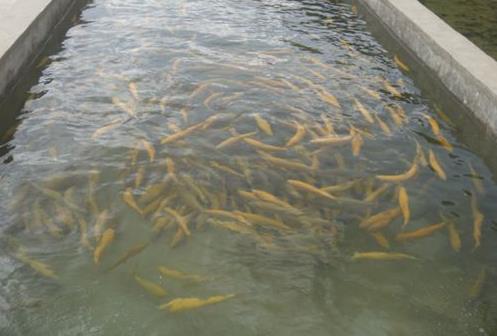
Rainbow trout breeding base put into use in Nanmei Village, Linxiang District, Lincang, Yunnan
According to the overall arrangements of the District Party Committee and the government regarding the project to advance poverty alleviation across the whole township of Nanmei Township, in order to build Nanmei Township into a model of a beautiful countryside and achieve the goal of a beautiful village, prosperous people and happy residents, the Linxiang District Agriculture Bureau, in light of actual conditions and in accordance with the requirements of special breeding of special species, relied on
-

Control Methods for Tomato Rot and Stem Base Rot
[Control of Tomato Fusarium Wilt] Tomato Fusarium wilt is caused by the pathogenic fungus Fusarium oxysporum f. sp. Lycopersici. When seedlings are infected, they wilt and die rapidly. It generally occurs in the mid-to-late stages, first with vein clearing and epinasty, starting from the lower
-
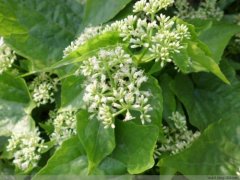
Big and plump strawberries grown with mile-a-minute weed biochar-based fertilizer and vinegar liquid
Mile-a-minute weed biochar combined with vinegar liquid produces big and plump strawberries. Want to learn how? Then read the introduction below. Huang Ying-pin, senior researcher at the Ecosystem Technology Laboratory of the Central Branch of the Industrial Technology Research Institute, says that mile-a-minute weed (Mikania micrantha) is native to Central and South America, harms crop growth, is known abroad as the "mile-a-minute weed", and is also regarded as the "green cancer" of the plant world. Mile-a-minute weed spreads rapidly in Taiwan, China, and is a plant that forestry units want to eradicate as quickly as possible, but it is not entirely useless. Research has shown that mile-a-minute weed is rich in micropores and is a very good charcoal material, which can be converted into "biochar" and "vinegar liquid" through carbonization technology; biochar can be used for soil improvement, and combined with vinegar liquid it becomes a pest and disease control agent or a plant growth promoter.
-
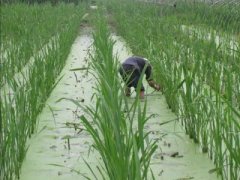
Cultivation Techniques for Water Bamboo: Scientific Fertilization Based on Changes in Growth Characteristics
The growth and development of water bamboo shoots can be divided into four stages according to their characteristic changes. So how do you fertilize water bamboo? 1. Germination stage: When spring temperatures rise, tiller buds and ramet buds begin to sprout, successively forming new shoots. Generally, the upper buds sprout earlier than the lower buds, and their
-
How to formulate base fertilizer for wheat? Reference for formula and dosage
Wheat is one of the important crops in our country, and it is grown more in the north. To achieve high wheat yields, besides carrying out all management techniques well, fertilization must also be done well. So what is the base fertilizer formula for wheat? 1. What is the base fertilizer formula for wheat? The base fertilizer for wheat is generally urea
-
When to Fertilize a Pomegranate Tree? Detailed Guide to Fertilizing Time and Methods
Summary Base fertilizer: Pomegranate trees are generally given base fertilizer in autumn before the ground freezes or in early spring after the soil thaws; for autumn application, the base fertilizer needs to be applied right after fruit harvest. Topdressing: Topdressing is needed before and after flowering; the pre-flowering fertilizer and the post-flowering fertilizer are complementary. Fruit swelling fertilizer: From late June to
-
Space Lotus 36 Cultivation Techniques: Combining Base Fertilizer with Top Dressing
Summary Soil: Suitable for planting in fertile, loose fields with convenient drainage and irrigation. Apply decomposed pig and cattle manure and scatter quicklime. One day before transplanting, plow and harrow the soil level. Transplanting: Carry out transplanting in late March or early April. Select healthy, thick and strong seed lotus roots and disinfect them with chemicals, then
-
Isatis root planting method: apply base fertilizer before sowing, and prevent pests and diseases later
Summary Soil: choose land with deep, fertile and loose soil. Sowing: spring sowing and summer sowing are both options; before sowing, soak the seeds in 40° warm water for 4 hours. Seed reservation and collection: harvest the seeds promptly when they mature, then sun-dry, thresh and store them in a dry place. Daily management: reg
条件筛选