-

How Does Impatiens Spread Its Seeds? A Detailed Explanation of Its Dispersal Method
The scientific name of the impatiens is Impatiens balsamina; because its flower head, wings, tail, and feet all curl upward like a phoenix, it is also called the golden phoenix flower. Do you know how the impatiens spreads its seeds? 1. How does the impatiens spread its seeds? The impatiens spreads its seeds by "self-reliance." When its fruit splits open,
-
How to Grow Garden Balsam? A Detailed Guide to the Latest Planting Methods
Garden balsam is the seed of the plant Impatiens balsamina of the family Balsaminaceae. It is a type of traditional Chinese medicinal herb, and in some places it is also called tougucao or impatiens. This medicinal herb has anti-fertility, anti-cancer, antibacterial and anti-uterine smooth muscle effects, and is often used to treat difficult menstruation
-
What kind of growing environment does Impatiens balsamina 'Camellia Flower' like?
Impatiens balsamina 'Camellia Flower' is a herbaceous plant with rather beautiful blooms that resemble camellia flowers, giving it high ornamental value. So, you are surely going to be interested in Impatiens balsamina 'Camellia Flower', so let's take a look.
-
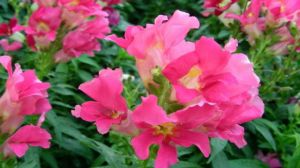
What to Do When Balsam (Impatiens balsamina) Leaves Turn Yellow? Find the Cause and Treat It Accordingly
There are many reasons balsam leaves turn yellow: if it is caused by overwatering, reduce watering appropriately; if it is often exposed to scorching sun, provide shade for it; if it is caused by insufficient light, increase light in time; if it is caused by a lack of nutrients, fertilize promptly to add nutrients; if it has been in a poorly ventilated spot for a long time, move it to a well-ventilated location.
-
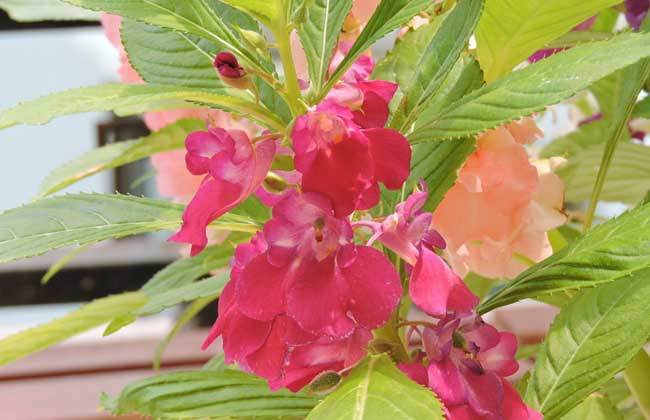
Illustrated guide to the growth process of the garden balsam (Impatiens balsamina), a full record from seed to bloom
Illustrated guide to the growth process of the garden balsam
-
How does Impatiens balsamina propagate? Seed sowing is the main method
Impatiens balsamina (garden balsam) is the city flower of Shantou City, Guangdong Province, China, and many people grow it locally. However, as more people grow garden balsam, questions about its propagation have drawn greater interest. How does garden balsam propagate? What propagation methods does it have? Let us take a look below.
-
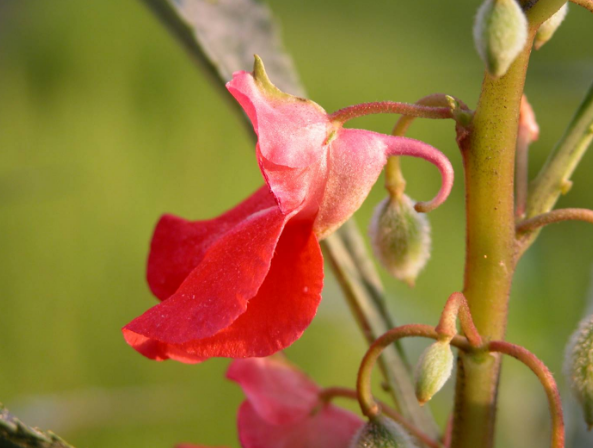
How to grow Impatiens balsamina? Planting method: plenty of sunlight and maintaining the ambient temperature
Impatiens balsamina is a fairly common flowering plant in people's daily lives, and many people grow it all over the country. There is a lot to pay attention to when it comes to how to grow Impatiens balsamina; sunlight, soil, watering and other aspects all need attention, so what exactly is the planting method for Impatiens balsamina? Below, the editor will walk everyone through it
-
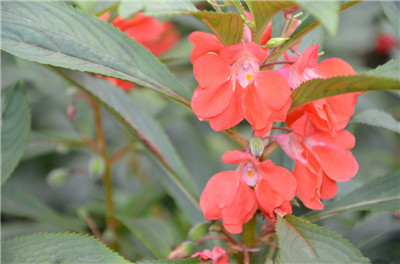
How to grow Impatiens balsamina (Chinese impatiens)? Detailed planting method
There are two common types of impatiens: Chinese impatiens (Impatiens balsamina) and African impatiens. Chinese impatiens is also commonly known as henna flower, tochugrass, etc. The flowers come in white, pink, orange-red, copper-red, etc., and the flower forms include single-petaled and double-petaled types. It is suitable for pot cultivation. This article starts from sowing to explain how to grow Chinese impatiens, for the reference of flower lovers.
-
Garden balsam is an herbaceous flowering plant in the Balsaminaceae family.
Flower/Plant name: Garden balsam Latin name: Impatiens balsamina Aliases: henna flower, little peach red, impatient seed Family and genus: Balsaminaceae Origin and habits: Native to India, southern China, and Malaysia. Cultivated in various parts of the world. It is an annual herbaceous plant. It likes warmth and fears cold, prefers full sunlight, and is suitable for deep, moist, loose, fertile, well-drained slightly acidic soil. Flowering period is June-September. Morphological characteristics: Plant height 20-150cm, stems succulent. Leaves alternate, lanceolate
-
What kind of growing environment does the garden balsam (Impatiens balsamina) like?
It prefers sunny, warm and humid environmental conditions; it is not cold-hardy, tolerates shade, and fears frost. It adapts well to soil and does not need very high fertility; it grows luxuriantly in moist, well-drained soil. It dislikes drought, otherwise it will wilt and cause leaves to drop. Light and temperature: it likes light and also tolerates shade, and needs to receive at least 4 hours of scattered sunlight every day. In summer, shade it to prevent excessively high temperatures and blazing sun exposure. The suitable growing temperature is 16-26°C, and during the flowering period the ambient temperature should be kept above 10°C. In winter it should be moved into a greenhouse to prevent freezing.
条件筛选