-

Why Should Loquats Be Bagged? Detailed Explanation of Reasons and Methods
Reasons and Methods for Bagging Loquats
-
Key Technical Points for Winter Management of Bagged Mango Seedlings
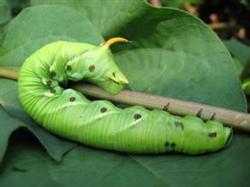
Control methods: 1. Capture larvae based on their damage characteristics. 2. Blacklight traps can be used to trap adult insects. 3. Chemical control: Decis, trichlorfon, dichlorvos, etc. can be used.
-

What management measures are there for bagged fruit after the bags are removed?
Watering. Watering before bag removal not only promotes fruit enlargement but also has two other effects: one is to reduce sunburn of the fruit after bag removal, and the other is to change the orchard microclimate conditions, increase the day-night temperature difference, create night dew, and help fruit coloring (you can also spray water over the whole orchard in the evening during the fruit coloring period). Water 2 to 3 days before bag removal, and afterward water timely according to drought conditions. The amount of water should not be too large, keeping the soil moisture content at about 60% of the field maximum water-holding capacity. Bag removal time. Red Fuji apples are
-
Occurrence and Control of the Comstock Mealybug in Bagged Pear Orchards
One of the main pests that enter the bag. The calyx depression and stem depression are the most severely affected. Purple-red halos appear at the damaged spots, growth stops, and deformed fruit forms; in severe cases, the fruit surface cracks and dries up. This pest generally has 3 generations per year, mainly overwintering as eggs or 1st to 2nd instar nymphs on branches and mummified fruit, with a few overwintering as fertilized females; when the pear tree buds in the following spring, the eggs hatch into nymphs. Activity begins in April of the following year, the first generation reproduces in May-June, the second generation in July-August, and the third generation in September-November. Pesticides with good control efficacy against this pest include 40% omethoate
-
8 common appearance problems of bagged Emerald pear and their solutions
Emerald is an excellent new pear variety bred by the Zhengzhou Fruit Research Institute, developed by crossing New Century and Zaosu. Since 2000, after 6 years of bagged cultivation through top-grafting to change the canopy in our city, we have found that this variety has a regular fruit shape, a smooth and glossy fruit surface, creamy white flesh, a crisp and tender texture with abundant juice, and few stone cells, making it an early-maturing pear variety of excellent quality. However, in production we have found that bagged pears often show abnormal phenomena such as black wrinkling, fruit russeting, tiger-skin markings, floral green coloration on the fruit surface, black spots, cracking, and deformities that affect the external quality of the fruit. For this reason we conducted an investigation and analysis and proposed solutions.
-
Bagged pears have good quality, and managing them well after bag removal is key
In recent years, pear bagging technology has developed rapidly and has played an important role in improving pear fruit quality and economic returns. However, in production, a small number of bagged pear orchards have not achieved the expected results, mainly because the timing of bag removal is not accurately determined and management after bag removal is neglected, rather than poor management before and during bagging. In view of this, bag removal and post-removal management should be strengthened. Timely bag removal: the time to remove fruit bags should be determined according to variety and climatic conditions. In order to prevent obvious fruit dots on the fruit surface, sunburn, fruit dehydration, fruit surface contamination
-
How to Make Bagged Pears Sweeter? Master These Four Measures
Bagging pears can significantly improve their appearance and marketability, but bagging has a certain effect on the sweetness of pears. The following measures can increase the sugar content of bagged pears. 1. Apply more potassium fertilizer. The amount of farmyard manure should be 2 to 3 times the fruit yield, changing the past practice of 1 kg of fertilizer per 1 kg of fruit, and it should be applied in early autumn after harvest. Control the amount of nitrogen fertilizer, increase the proportion of phosphorus and potassium fertilizers, and maintain the application ratio of nitrogen, phosphorus and potassium fertilizers at 1:0.6:1. While fertilizing, pay attention to watering during early spring and autumn droughts, and tree-disk mulching and whole-orchard mulching can also be used to prevent
-
Processing Methods and Technical Key Points for Bagged Roasted Jujubes
Roasted jujubes, also known as crispy jujubes, are burnt-fragrant and crispy with a unique flavor. Process flow: material selection -> soaking and washing -> pitting -> roasting -> sugar coating -> cooling -> packaging. Main technical key points: 1) Material selection. Choose top-grade red jujubes with large fruit, dense texture and no diseases or insect pests as the raw material. 2) Soaking and washing. Pour the red jujubes into a vat of warm water, wash them clean and let them absorb water and swell. 3) Pitting. Remove the pits with a pitter. 4) Roasting. Pour the pitted jujubes into a specially made jujube roasting cage (a cylindrical mesh cage 80 cm long and 25 cm in radius). The cage
-
What to Do When Bagged Apples Taste Poor? Causes and Solutions
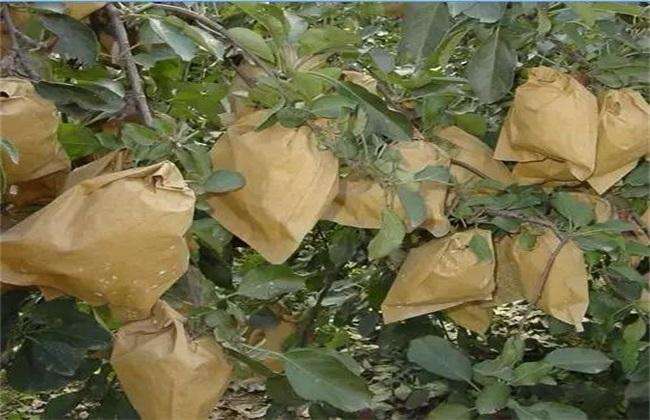
Causes and Solutions for Poor Taste in Bagged Apples
-
Causes of Severe Fruit Cracking in Bagged Apples and Control Methods
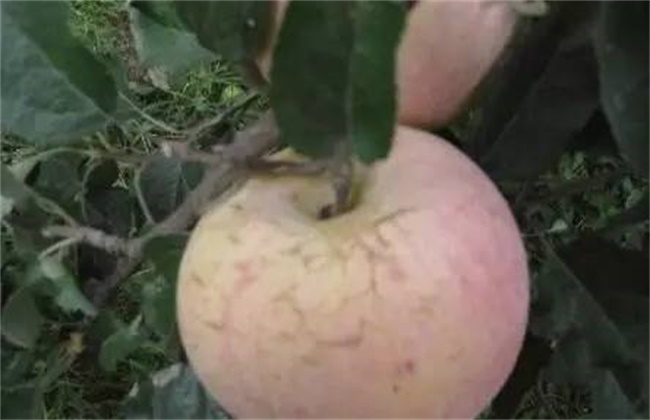
Causes of Severe Fruit Cracking in Bagged Apples and Control Methods
条件筛选