-
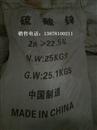
What are the functions of zinc sulfate? Explained clearly in one article
What are the functions of zinc sulfate? What are the common types of zinc sulfate? How is zinc sulfate applied? We also ask knowledgeable readers to help explain. The correct use of zinc sulfate can prevent diseases in fruit tree nurseries, and it is also a commonly used fertilizer for supplementing the trace element zinc in crops; it can be used as a base fertilizer, foliar fertilizer, etc. Therefore, Zhongdiwang has compiled...
-
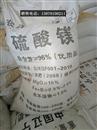
What are the functions and benefits of magnesium fertilizer? Read this one article to understand
What are the functions of magnesium fertilizer? How should magnesium fertilizer be applied? We ask netizens to help explain. Magnesium fertilizer generally refers to fertilizer containing the element magnesium, which after application can provide magnesium to the soil. The more common fertilizers containing magnesium include magnesium sulfate, magnesium chloride, magnesium carbonate, magnesium nitrate, magnesium oxide, magnesium phosphate fertilizer, etc. Therefore, Zhongdi Web has compiled...
-

What is the usual concentration for foliar fertilization? Understand it in one article
Which fertilizers can be used for foliar fertilization? What concentration is suitable? Experienced netizens are also asked to help introduce the fertilizers often used for crop foliar spraying (root-outside topdressing), including manganese sulfate, zinc sulfate, rice vinegar, ammonium molybdate, potassium dihydrogen phosphate, urea, copper sulfate, plant ash, superphosphate and borax. The above fertilizers used as...
-
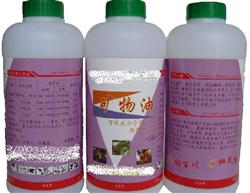
What Is Mineral Oil? An Article to Help You Understand Mineral Oil
What is mineral oil? What does mineral oil do? We ask knowledgeable readers to help provide a detailed introduction. Mineral oil refers to natural-source insecticides obtained by distilling and refining petroleum according to different boiling points and viscosities. Common mineral oil products include 94%, 95%, and 99.1% emulsifiable concentrate products. Below, Zhongdiwang lists mineral oil in detail...
-
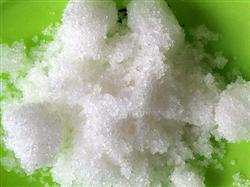
What is the role of agricultural magnesium nitrate? Read this article to understand
What is the role of agricultural magnesium nitrate? What are the methods of using agricultural magnesium nitrate? We also ask experienced netizens to help introduce this. Magnesium nitrate is often used in agricultural drip irrigation and soilless cultivation, but many netizens still do not understand the specific role and application methods of magnesium nitrate. Therefore, Zhongdi Network has compiled magnesium nitrate's effects on crops...
-

What Is the Difference Between Xihonghua and Zanghonghua? Explained Clearly in One Article
Xihonghua is another name for Zanghonghua (saffron); these two names refer to the same tonic, which can also be called Fanhonghua (saffron), all being plants of the genus Crocus in the family Iridaceae. However, Honghua (safflower) is not the same substance as it; Honghua is a plant of the family Asteraceae originating from Xinjiang, its efficacy is far inferior to it, and the price difference is also vast, with good saffron costing over 100 yuan per gram.
-
What Is the Difference Between Xi Honghua and Zang Honghua? Explained Clearly in One Article
Xi Honghua (West Saffron) is another name for Zang Honghua (Tibetan Saffron); these two names refer to the same tonic, which can also be called Fan Honghua (saffron crocus), all being plants of the genus Crocus in the family Iridaceae. However, Honghua (safflower) is not the same substance as it; Honghua is a plant of the family Asteraceae originating from Xinjiang, its efficacy is far inferior to it, and the price difference is also enormous; good Zang Honghua costs more than 100 yuan per gram.
-
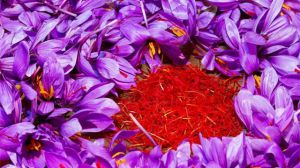
Is saffron hot or cool in nature? Explained clearly in one article
Saffron is neither cool nor hot in nature, but a warm-natured health tonic. It can be used by people of different constitutions to supplement nutrition and regulate qi and blood; moreover, it can also treat some cardiovascular and cerebrovascular diseases or neurodegenerative diseases. There are various ways to consume it: it can be steeped directly in water or infused in alcohol, and of course it can also be used in soups and rice.
-
Is saffron hot or cool in nature? Explained clearly in one article
Saffron is neither cool nor hot in nature, but a warm-natured tonic. It can be used by people of different constitutions to supplement nutrition and regulate qi and blood; in addition, it can treat certain cardiovascular and cerebrovascular diseases or neurodegenerative diseases. It can be consumed in various ways: it can be steeped directly in water or infused in liquor, and of course it can also be used in soups and rice dishes.
-
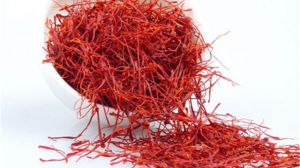
What are the benefits and contraindications of saffron? Explained in one article
Benefits: treats depression, its extract has effects similar to antidepressant drugs; combats anxiety, with effects similar to anti-anxiety drugs; alleviates neurodegenerative diseases, hinders nerve degeneration; treats cerebrovascular diseases, increases blood flow, lowers blood pressure. It must not be consumed in excess, as it can cause mental confusion or allergic poisoning; pregnant women, children, etc. should consume it according to a doctor's instructions.
条件筛选