-
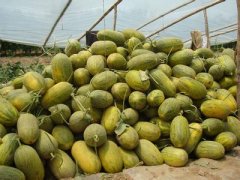
What are the growing conditions and sweetness levels of Hami melons and small white apricots from Xinjiang?
June is the season of abundant fruit, and Xinjiang has also welcomed the concentrated harvest of its local specialty fruits. Today's fruit transport and logistics systems, along with a variety of sales channels including e-commerce, are becoming increasingly sophisticated, driving Xinjiang fruit to travel ever farther. Hami melon cultivation and open-field
-
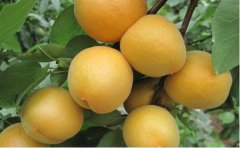
What Causes Scab on Apricots? Detailed Explanation of Prevention and Control Methods
Peach scab on apricots comes from the fungus Cladosporium carpophilum. It also affects nectarines, plums and peaches. Most apricots with peach scab are grown in home orchards, because commercial growers take preventive measures to prevent it. Apricots and Peach Scab
-

Wild apricots of Yiwu pave the way for farmers to increase income and become rich
Yiwu wild apricots forge a path to prosperity
-
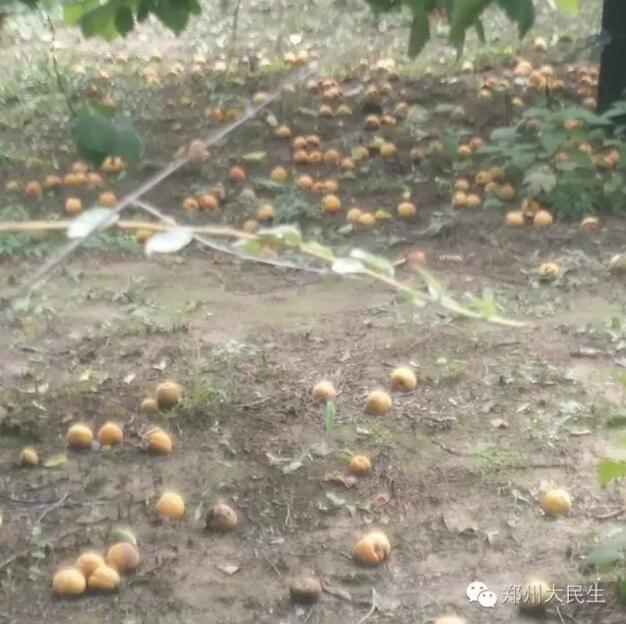
10,000 jin of Love-for-Farmers Apricots charity sale this Friday, June 10
"Apricot" to Have You - 10,000 jin of "Love-for-Farmers Apricots" charity sale this Friday (June 10)!
-
Peaches nourish people, apricots harm people, plums carry people to the grave - does this old rural saying make sense?
Why do people in the countryside all say "peaches nourish people, apricots harm people, plums carry people to the grave"?
-
Detailed Explanation of Key Technical Points for Storing Peaches, Plums, and Apricots
1. The warehouse must be disinfected before loading. 2. For storage, choose late-maturing peaches and plums, which should be harvested at 70-80% maturity. 3. When harvesting, pay attention to the following points: ① Harvest with the fruit stalk attached. ② Handle gently. ③ Harvesting should be done on a clear morning after the dew has dried, or in the afternoon after 3-4 o'clock. Harvesting at noon or with dew is unfavorable for storage. ④ Irrigation in the peach and plum orchard is prohibited one week before harvest. ⑤ Peaches and plums harvested after rain are not resistant to storage.
-
Detailed Explanation of Key Points for Storage and Fresh-keeping Techniques of Peaches, Plums and Apricots
Peach, plum and apricot (including cherry) fruits all contain a hard stone and belong to the drupe category of fruits, sharing common characteristics in fruit development and postharvest physiology. It is precisely because the fruit contains a hard stone that a double-S growth curve appears during growth. Peach, plum and apricot fruits have high respiration intensity; all have a respiration peak, so they all belong to the climacteric type of fruit, which determines that they have basically similar storage, transport and fresh-keeping technical measures. However, as tree species and varieties differ, the storage, transport and fresh-keeping techniques adopted also differ. Peaches and plums generally
-
Detailed Explanation of High-Yield and High-Quality Cultivation Techniques for Kernel Apricots
In recent years, apricot kernels have been selling very well on domestic and international markets. Apricot kernels contain various nutrients and are a highly nutritious health food; they can also be used as medicine, having functions such as clearing heat and detoxifying, and preventing cancer. Therefore, the cultivation area has been continuously increasing, with broad prospects. Because kernel apricots bloom relatively early and are prone to damage from late frost, combined with extensive management, they cannot achieve their proper yield level and economic benefits. To increase apricot kernel yield and quality and boost benefits, the key points of high-yield and high-quality cultivation techniques for kernel apricots are introduced as follows: 1. Variety selection: kernel apricots
-
How to manage greenhouse apricots in spring? Focus on management to promote development
For apricot trees in a winter-warm greenhouse, the fruit development period runs from mid-February to the end of April, and this period is divided into three main development stages. The first stage is the first rapid growth period of the apricot tree and the new shoot growth period, lasting 28-34 days; the second stage is the pit-hardening period, lasting 8-12 days; the third stage is the second rapid growth period of the apricot fruit and the new shoot growth period, lasting 20-30 days. Management work for the first stage: after flowering, apply 0.5 kg of nitrogen fertilizer and 1 kg of phosphorus fertilizer per tree, and within two weeks after flowering spray 0.3% urea once every 7 days. After leaf expansion, spray Yibianjing or Yashijing
-
What are the excellent varieties of fresh-eating apricots? A detailed introduction in one article
Apricots have a number of excellent local varieties in various regions. Fresh-eating apricots generally require larger fruit, bright color, thick flesh with abundant juice, and a sweet or moderately sweet-and-sour taste. (1) Honghebao apricot: a fresh-eating variety, mainly produced in the Lichang and Changqing areas of Shandong. The tree is vigorous, with an open canopy and strong adaptability. The fruit development period is 50-56 days, ripening in mid to late May. It is the earliest-ripening variety, fetching a high price and giving large returns. The fruit is oval, with a single-fruit weight of 45 g and a maximum fruit weight of 70 g. The skin is orange-red, with a slight patchy red blush on the sunny side.
条件筛选