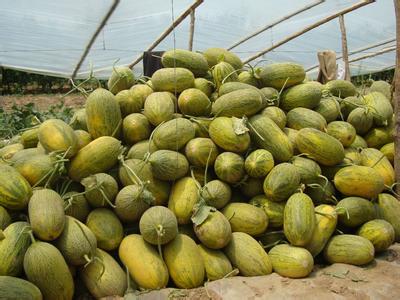
What are the growing conditions and sweetness levels of Hami melons and small white apricots from Xinjiang?
June is the season of abundant fruit, and Xinjiang has also welcomed the concentrated harvest of its local specialty fruits. Today's fruit transport and logistics systems, along with a variety of sales channels including e-commerce, are becoming increasingly sophisticated, driving Xinjiang fruit to travel ever farther. Hami melon cultivation and open-field
June is the season of abundant fruit, and Xinjiang has also welcomed the concentrated harvest of its local specialty fruits. Today's fruit transport and logistics systems, along with a variety of sales channels including e-commerce, are becoming increasingly sophisticated, driving Xinjiang fruit to “travel” ever farther. Hami melon cultivation is very similar to open-field melon cultivation techniques.
At the foot of the famous Flaming Mountains in Turpan, Xinjiang, the high temperatures here can last up to 16 hours a day, which has a very good ripening effect on the local specialty fruit——Hami melon. According to inspections by the forestry department, the sugar content of Turpan Hami melons this year is generally above 23%. This sweetness level is very high, and such high sweetness has also attracted fruit buyers from all over the country.
In 2019, Turpan built a 102,000-mu standardized Hami melon production base. The cultivation methods used differ from those of the past. This year, a new technique of staged sowing with storage and transport was adopted. From the early-maturing melons coming to market in mid-May to the large-scale arrival of Hami melons in mid-June, the melon production period will continue until the end of October. In addition, the thousands of newly built cold storage facilities locally mean that the Hami melon sales season can continue until January of the following year.
In Kuqa County, 700 kilometers away from Turpan, small white apricots are grown. The growing environment here in Kuqa County is very helpful for the small white apricots to accumulate sugar; because of the scorching sunlight at the edge of the Tarim Desert, plus a day-night temperature difference of ten degrees Celsius each day, it can very well help the small white apricots accumulate sugar. At the same time, this year's small white apricot output is very large, exceeding 45,000 tons, with sugar content generally between 20% and 25%. As the area's reputation grows, the purchase price of Kuqa small white apricots has also changed, increasing from 20 yuan per kilogram to 25 yuan per kilogram. One mu of land can produce 300-400 kilograms, and there is no worry about being unable to sell them.
According to statistics, in 2018, Xinjiang's specialty forest fruit output was nearly 16.05 million tons. It is expected that in 2019, fruit output will exceed last year's. Xinjiang's fruit sales methods will also change. Through promotion on local e-commerce platforms, the fruit has entered all major online sales platforms across the country and is sold to every part of the country.
No matter where it is, we can all learn from Xinjiang's approach to the fruit industry. Grow products suited to local characteristics, pay attention to product quality and yield during the growing process, raise the profile of locally grown fruit, adopt promotion through e-commerce platforms, and use online sales platforms. The local specialty product industry will then undergo great changes.