-

Detailed Explanation of Knowledge About Third-Grade Improved Varieties of Kernel Apricots
1. Yiwofeng Yiwofeng, also known as Cibian and Xiaolongwangmao, is one of the main cultivars in Hebei. The fruit is oval, slightly more rounded than Longwangmao, with a single fruit weight of 8.5-11.0 grams and a maximum of 15 grams. The skin is yellow, and when fully ripe it splits along the suture, freestone. Single kernel weight is 1.6-1.9 grams, and the kernel yield rate is 18.5%-20.5%. Kernel weight is 0.52-0.62 grams, kernel extraction rate is 38.2%, the kernel flesh is milky white, and the taste is sweet and fragrant. Extremely high-yielding, but not resistant to late frost. 2. Sanganqi (provisional name) Sanganqi is from He
-
How to prevent and control gummosis in greenhouse apricots? A detailed practical guide
Apricot gummosis is a typical physiological disease caused by many factors, such as hail injury, insect injury, frost injury, sunscald, mechanical wounds, etc. It is often easily triggered during top grafting for variety change or large branch renewal, and heavy summer pruning, improper fertilization, heavy clay soil, excessive acidity, improper pesticide use and the resulting phytotoxicity can all induce gummosis. Only by understanding the disease's occurrence pattern can effective prevention and control be achieved. The symptoms, occurrence pattern and control techniques are described below: Symptoms Gummosis mainly occurs on
-
When is the covering time for protected cultivation of apricots?
For most apricot varieties, they must undergo a low-temperature period of 700-1000 hours below 7.2°C to break dormancy. Therefore, protected cultivation must raise the temperature only after the apricot's chilling requirement has been met, for success to be possible. If the temperature is raised too early, the apricot trees cannot sprout and bloom normally, and in severe cases it will cause a large number of flower buds to drop, uneven flowering, and severe flower and fruit drop. The timing of temperature increase should also be carefully decided based on the variety's chilling requirement and weather conditions. 1. Covering time for plastic greenhouses: Plastic greenhouses have poor insulation performance, so apricot trees must pass dormancy under natural conditions. The suitable covering time is generally from late January to early February, and the covering time is the temperature-raising time. If the weather is abnormal, such as a warm winter, the covering time should be appropriately delayed. For plastic greenhouses, ground film should be applied 15-20 days before covering to allow the soil temperature to rise slowly.
-
Processing Method and Technique for Canned Apricots in Syrup
(1) Process flow: Raw material selection → raw material preparation → color protection → lye peeling → trimming → pre-cooking → sorting → filling into cans → syrup filling → heating and exhausting → sealing and sterilization → cooling → wiping cans → finished product. (2) Key process points: 1. Raw material selection: Select fresh, plump apricots with yellow, dense flesh that are freestone or semi-freestone. Remove insect-damaged, diseased and damaged fruit. The transverse diameter of the apricots must be over 30 mm and the weight over 20 g. 2. Raw material preparation: After washing the qualified apricots clean, use 0.5-1.5% hydrochloric acid or 0
-
How to manage greenhouse apricots? Master these four technical points
1. Fertilizer and water management. Apply base fertilizer every autumn. The base fertilizer is mainly organic fertilizer such as livestock manure, compost, and cake fertilizer, appropriately mixed with some nitrogen, phosphorus, and potassium fertilizers. After covering with plastic film, no more topdressing is applied; after fruit set and during the hard-core stage, spray once with 0.3% urea plus 0.2% compound micronutrient fertilizer and 0.3% monopotassium phosphate. Install drip irrigation pipes in the greenhouse and water reasonably according to soil moisture. Do not water too much, so as to avoid excessive growth of new shoots and cause physiological fruit drop. 2. Training and pruning. For "Y"-shaped training, mainly retain lateral branches (main branch branching angle about 70 degrees
-
Detailed explanation of processing techniques for almonds, dried apricots, and apricot juice
The apricot tree is one of the ancient cultivated tree species in our country and is widely distributed. Apricot fruit is a treasure in every part, containing rich vitamins and mineral elements. Every 100g of flesh contains 10g of sugar, 0.9g of protein, 1.79g of carotene, 0.02mg of thiamine, 0.03mg of riboflavin, 0.6mg of nicotinic acid, and 7mg of vitamin C. Almonds contain about 23% protein, 50%-60% fat, with an oil yield of 45.8%, and are rich in phosphorus, calcium, potassium, iron and other nutritional elements needed by the human body
-
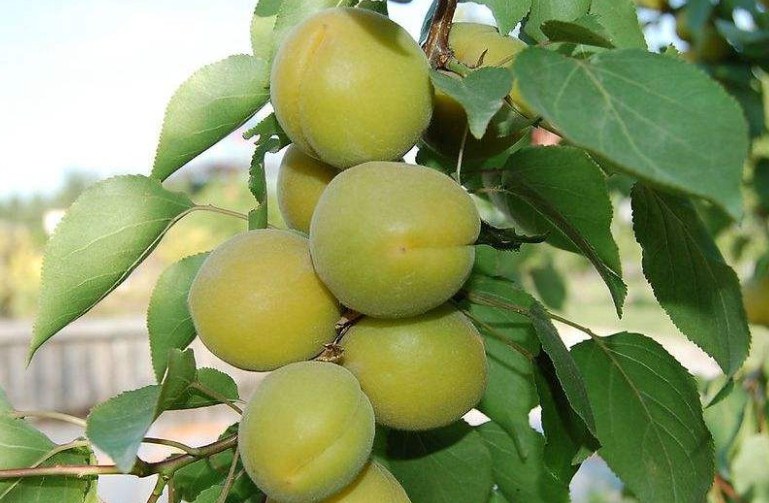
Grafting an apricot tree in autumn can produce apricots with a peach flavor, but you need to pay attention to these 5 points
There is a great deal of joy in growing flowers and plants, and outsiders may not understand that joy, but those of us who grow flowers truly take delight in it. Take grafting, for example. People who don't grow flowers think grafting is a terrible hassle, and...
-
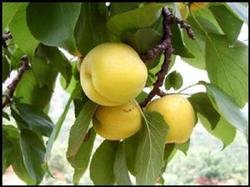
What causes rotten fruit in greenhouse apricots? How should it be handled?
Causes of rotten fruit: Insufficient light in the greenhouse. During prolonged overcast days or rain and snow, dust accumulates on the surface of the greenhouse film, resulting in insufficient light and excessive humidity inside the greenhouse. Young fruit growing for a long time in dark, damp air is prone to rot. Excessive temperature in the greenhouse: During the young fruit stage of apricots, if the temperature inside the greenhouse exceeds 28°C...
-
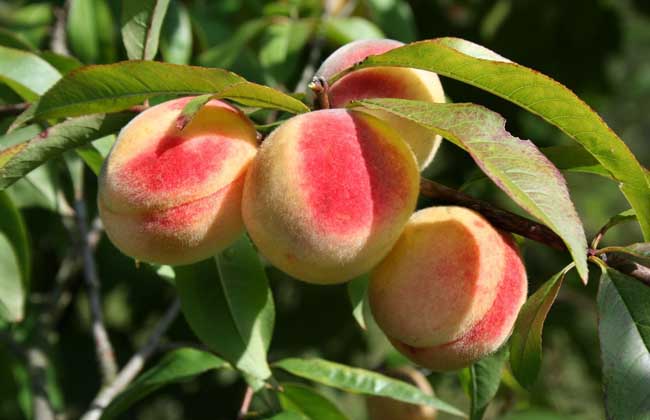
Differences Between Plums, Cherries, Apricots, Peaches, and Japanese Plums
Differences Between Plums, Cherries, Apricots, Peaches, and Japanese Plums
-
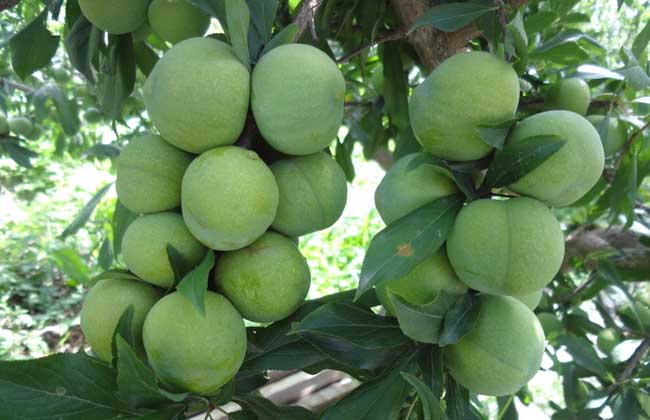
What is the difference between plums and apricots? Learn to tell them apart with ease
The difference between plums and apricots
条件筛选