-

Does applying chlorsulfuron to wheat fields affect cotton?
Chlorsulfuron is a sulfonylurea herbicide with high herbicidal activity, mainly used in wheat and flax fields to control annual monocotyledonous and dicotyledonous weeds. In China, it is currently restricted to use only in wheat fields in the wheat-rice rotation areas of the Yangtze River basin. It is not easily decomposed in soil, and its residual effect lasts up to 6 months. Crops such as cotton, peanut, soybean and vegetables are sensitive to this herbicide. When chlorsulfuron is applied to wheat fields and sensitive crops such as cotton are planted in the following crop, phytotoxicity of varying degrees will occur. In wheat fields where chlorsulfuron has been applied, it is best not to transplant cotton; other crops with strong tolerance can be planted instead.
-
Technical Key Points for Applying Seaweed Microbial Fertilizer to Potatoes
The application of seaweed microbial fertilizer in crop cultivation has already attracted widespread attention from growers. It performs especially well on vegetables. So how should seaweed microbial fertilizer be used when growing potatoes? What are the effects after use? Below, taking the outstanding product among microbial fertilizers - Jinbaobei Seaweed Microbial Fertilizer - as an example, we briefly introduce its application methods on potatoes. Jinbaobei Seaweed Microbial Fertilizer is imported in original packaging from Australia. It is made using the latest international microbial engineering technology and processes, separated and purified from marine organisms, and finely developed into the newest generation of pure
-

What are the precautions for applying trace element fertilizers?
Precautions for applying trace element fertilizers
-
China's first multifunctional horticultural machine unveiled, capable of applying solid fertilizer and processing residual plant residues
China's first multifunctional machine for horticultural solid fertilizer application and residual plant residue processing unveiled
-
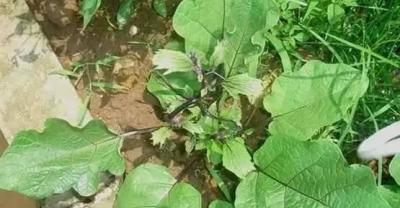
Applying pesticide fungicide as a root drench: the dosage ratio must be precise
It is now winter, the temperature in the greenhouse is low and the humidity is high, and crop pests and diseases increase accordingly. Root diseases of crops are one important category among them. To prevent and control...
-
Correct Method for Applying Evodia rutaecarpa to the Sole of the Foot and How to Tell Genuine from Fake
Method for Applying Evodia rutaecarpa to the Sole of the Foot and How to Identify Genuine vs. Fake Evodia rutaecarpa
-
Notes on Hydration for Edible Fungi and Techniques for Applying Organic Fertilizer to Orchids
Clever Methods for Using Organic Fertilizer on Orchids
-
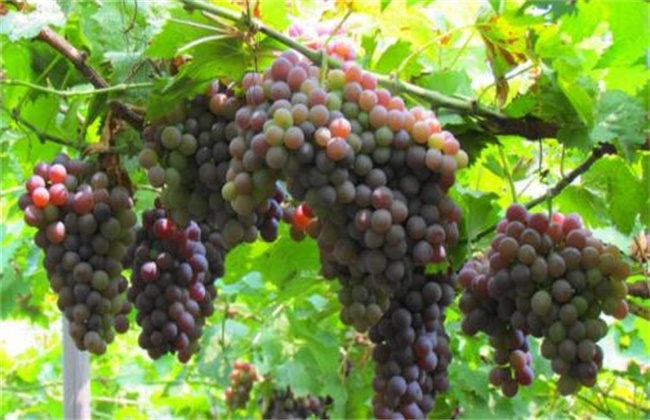
What precautions should be taken when applying pesticides to grapes?
Precautions for pesticide application on grapes
-
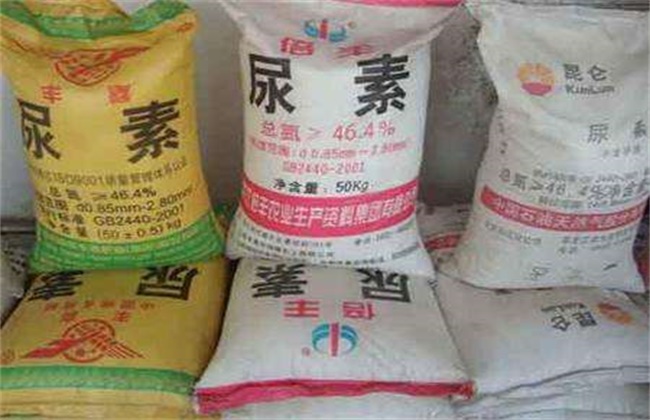
What are the harms of applying too much of the common nitrogen, phosphorus, and potassium fertilizers?
The harms of applying too much of the common nitrogen, phosphorus, and potassium fertilizers
-
Why is applying eggshells and tea residue harmful to flowers?
Why is applying eggshells and tea residue harmful to flowers?
条件筛选