-
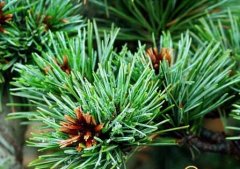
What are the characteristics and appearance of Taiwan five-needle pine? With pictures of common pine species
Taiwan five-needle pine is a plant of the genus Pinus in the family Pinaceae, and is a plant endemic to Taiwan, China. It is mainly distributed in areas of Taiwan, China at altitudes of 300 m to 2300 m. The leaves are needle-shaped, five needles per bundle, short and soft, hence the name "five-needle pine". It generally grows in mixed coniferous and broad-leaved forests, and has now been introduced and cultivated artificially.
-
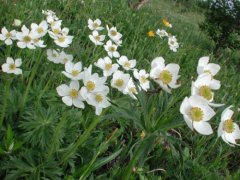
What Is Anemone? Appearance, Pictures, and Growing and Care Methods
Tall upright stems and deeply cut leaves topped with creamy white flowers describe the tall anemone. What is anemone? It is a North American native plant with vigorous growth and spreading characteristics, though not as bad as some other anemone relatives
-
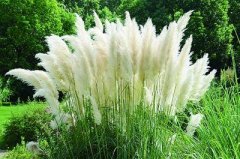
Physical Characteristics of Feather Reed Grass and Soil Requirements of Its Growing Regions
What is feather reed grass? Feather grass is a clump-forming ornamental grass with many varieties. It is a deciduous plant, but it is the first among the family to show foliage in early spring. Feather reed plants may grow to 3 to 5 feet tall and in June produce an inflorescence that starts green and slowly
-
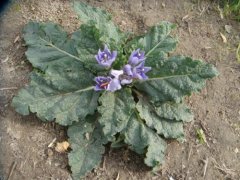
Do Mandrakes Really Exist? An Analysis of Their Appearance and Garden Planting Safety
Long absent from American ornamental gardens, the mandrake (Mandrake officinarum), also known as the Satan's apple, is making a comeback, thanks in part to the Harry Potter books and films. Mandrake plants bloom in spring with lovely blue and white flowers, and in late summer the plant produces attractive (but inedible) red-orange berries.
-
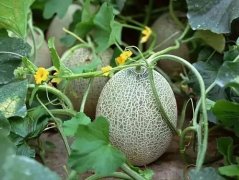
Characteristics, appearance and price of Xizhou honeydew, and whether it is a Hami melon
The autumn harvest of Hami melons in Tuyugou Village, Shanshan County, Turpan City, gradually entered the market in mid-September. After the abundant summer harvest, the autumn harvest also yields about 3000 kg per 0.07 hectares. Turpan Hami melons are sold in Guangzhou, Shenzhen and Shanghai. Among them, the Xizhou honeydew variety
-
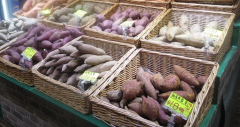
What about egg-yolk sweet potatoes? A comparison of yellow-fleshed and purple-fleshed sweet potatoes in appearance, taste and price
The "hidden" yet "sinful" purple sweet potato desserts are all the rage, and the method for growing purple sweet potatoes is not difficult. Is purple really so special? If you know how to eat, what color should you eat? Yellow sweet potatoes, purple sweet potatoes, and even orange sweet potatoes and white sweet potatoes - how do you choose a sweet potato? From the owner of the local organic vegetable stall "Ran She"
-
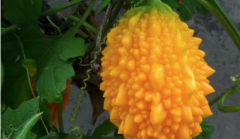
The Appearance and Characteristics of the New Bitter Melon Variety "Lai Grape" and Who Should Not Eat It
Did you know that the plant called lai grape is actually a variety of bitter melon? Its high-yield technique is the same as the high-yield cultivation technique for black bitter melon. Let's take a look at this bitter melon variety below! This fruit is called golden lai melon, also known as lai melon and lai grape. It
-

What Does the Wild Cape Gooseberry Tree Look Like? A Detailed Guide to Its Benefits and Effects
The cape gooseberry is a fruit rich in pectin that can be processed into various juices, jams and more, and is deeply loved by consumers. In addition, the cape gooseberry is rich in certain nutritional and medicinal value, and has a certain planting economic benefit on the market. Let's take a look below at the wild cape
-
Where is the origin of Qiandongnan Jinqiu pear?
The Jinqiu pear has a golden yellow, crystal-clear appearance, white, crisp, tender and fine flesh, abundant juice and a sweet taste, and stores well. It is known as the "King of Southern Pears." So where is the origin of Qiandongnan Jinqiu pear? Friends who do not know may wish to take a look. I. Origin of Qiandongnan Jinqiu pear Qiandong
-
Where are the main production areas of dark tea located?
Dark tea gets its name because the appearance of the finished tea is black. It is a tea category unique to China with a long history of production. Now let us take a look at where dark tea is produced: Dark tea is a post-fermented tea, a tea category unique to our country, with a long history of production, mainly produced as compressed tea for border sales, and mainly produced in Hunan, Hubei, Sichuan, Guangxi and other places.
条件筛选