-
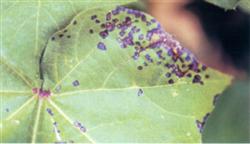
How to effectively prevent and control cotton bacterial angular leaf spot
I. Agricultural measures. 1. Prepare the soil carefully, apply sufficient basal fertilizer, ensure adequate pre-planting soil moisture, and select disease-resistant varieties. 2. Practice rational crop rotation, plow deeply and irrigate in winter to promote the decomposition of diseased plant residues. 3. During the seedling stage, strengthen intertillage, reduce soil moisture, apply less nitrogen fertilizer and more phosphorus and potassium fertilizer, and cultivate strong seedlings. 4. Strengthen cotton field management, drain promptly after rain...
-

How to control bacterial angular leaf spot of cucumber in summer
Control methods for bacterial angular leaf spot of cucumber in summer
-
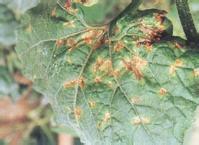
How to prevent and control angular leaf spot of winter melon? First, recognize the disease symptoms
Symptoms: It mainly affects leaves, petioles, and fruit. It can be affected from the seedling stage to the mature plant stage. When true leaves are infected, bright green water-soaked spots appear first, gradually turning light brown; the lesions are restricted by leaf veins and become polygonal, yellow-brown, and when humidity is high, milky white cloudy water-drop-like bacterial ooze exudes from the underside of the leaves, and the diseased tissue is brittle and easily perforated. When stems and petioles are infected, ...
-
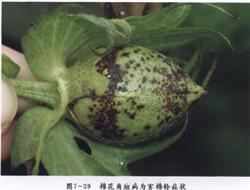
How to achieve good control results for cotton bacterial angular leaf spot
I. Agricultural measures. 1. Prepare the land carefully, apply sufficient base fertilizer, irrigate enough to ensure subsoil moisture, and select disease-resistant varieties. 2. Use reasonable crop rotation and deep plowing with winter irrigation to promote the decomposition of diseased plant residues. 3. During the seedling stage, strengthen intertillage, reduce soil moisture, apply less nitrogen fertilizer, apply more phosphorus and potassium fertilizer, and cultivate strong seedlings. 4. Strengthen cotton field management, drain promptly after rain...
-
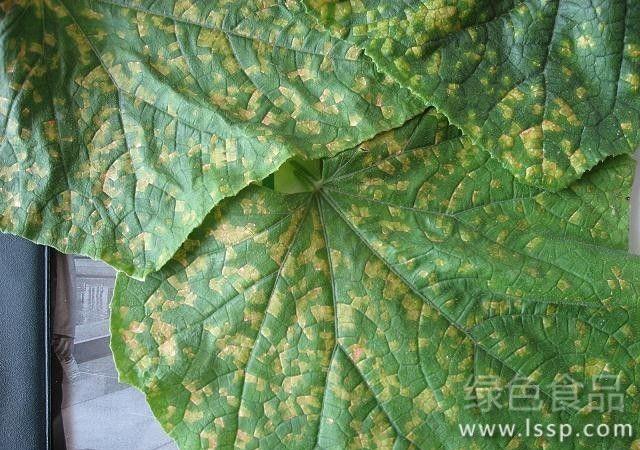
Cucumber angular leaf spot causes yield loss, how to prevent and control it?
Angular leaf spot causes cucumber yield loss, how to prevent and control cucumber angular leaf spot
-

Identification and Control of Cucumber Bacterial Angular Leaf Spot
Symptoms and Control Methods of Cucumber Bacterial Angular Leaf Spot
-
Symptoms and control methods of bacterial angular leaf spot of cucumber
Damage caused by bacterial angular leaf spot of cucumber and its control
-
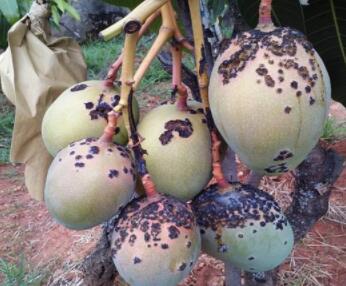
Causes and Control Methods of Bacterial Angular Leaf Spot
According to the Huaping County Organic Late-Maturing Mango Research Center, this year's temperatures in Huaping differ from previous years. In the early period (February to April), temperatures fluctuated between high and low; from May to mid-June, temperatures were relatively high with severe sun exposure, causing severe outbreaks of bacterial angular leaf spot in some mango-growing areas.
-
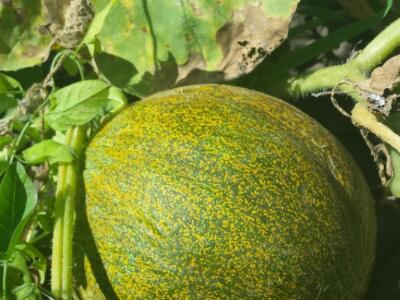
Causes and Control Methods of Angular Leaf Spot in Cucumber, Watermelon, Melon and Mango
Angular leaf spot refers to a class of diseases that occur on the leaves of various crops such as cucumber, watermelon, melon and mango, with disease spots shaped like polygons. So what are their causes and control methods? This disease is mainly prevented, and scientific management together with good ventilation and drainage conditions
-
Symptom Identification and Control Methods for Cotton Angular Leaf Spot
Symptoms: This disease not only damages cotton seedlings but also harms the stems, leaves, and developing bolls of mature plants. When seedlings are infected, the cotyledons develop water-soaked irregular or round lesions that are dark brown; in severe cases, the cotyledons wither and drop off. When true leaves are infected, small dark green spots first appear on the underside of the leaves, then expand into oil-soaked lesions; on the upper surface of the leaves, the lesions are mostly angular, and sometimes the lesions extend along the veins in irregular streaks, causing the leaves to turn yellow and drop off. When stems are infected, water-soaked main lesions appear, then expand and turn black or rot, the diseased area becomes sunken, and the pathogen bends to one side. When the terminal bud is infected, it forms a "rotten top," causing the entire plant to die.
条件筛选