-

Global grain prices keep falling, and agricultural giants have no choice but to band together for warmth
As global grain prices fall and profits are squeezed, agricultural giants are seeking powerful alliances to band together for warmth in the industry's cold winter. This will be agriculture's first major transformation in more than a decade. Citing people familiar with the matter, multinational seed giant Syngenta is in talks with Du
-
Egg prices are recovering, and egg farmers' hearts are warmed
As the Qingming Festival arrives, egg prices have also encountered a turning point for the first time after five consecutive weeks of decline following the Spring Festival, with prices rebounding somewhat, thoroughly warming the hearts of egg farmers during the Qingming Festival. This morning, the egg price at the Shangcheng Market in Yucheng City was 3.95 yuan per jin, compared with yesterday's 3
-
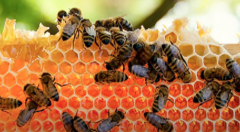
Fewer longan and lychee flowers bloom, warm winter effect causes honey production to drop
Affected by the warm winter and drought, this year the flowering rate of lychee and longan is only 20%, and the production of longan honey and lychee honey has also been affected as a result. Cheng Chin-kun, chairman of the Taiwan Beekeepers Association, explained that this year's longan and lychee honey production may be only 10%, and he hopes the Council of Agriculture
-
How to prevent and remedy late spring frost damage in fruit trees? Growers advised to save this after a warm winter
Although spring has already arrived and temperatures are rising, sudden cold air outbreaks are still possible. This phenomenon is commonly known as late spring frost, and the fluctuating environmental temperatures can cause great harm to fruit tree growth. So after a warm winter, what are the prevention and remedy measures for late spring frost damage in fruit trees?
-
What Is the Difference Between Cool-Season Grass and Warm-Season Grass? Explained in One Article
Grass generally refers to herbaceous plants, and the corresponding concept is woody plants. People usually call herbaceous plants "grass," but grass is divided into cool-season grass and warm-season grass. So, where do the differences between cool-season grass and warm-season grass lie? Difference one: different growing temperatures. Cool-season grass is suitable
-
How Do Grape Trellises Survive Winter? A Detailed Guide to Winter Cold Protection and Warmth
Grapes are a common fruit in our country, not only with many varieties but also sweet in taste, very popular in the market, and grown in most regions. So how do grape trellises survive winter? 1. How do grape trellises survive winter? When a grape trellis overwinters, based on the actual situation, you can keep one main trunk that can send out 2-3 new branches the following year.
-
How Do Guinea Pigs Get Through Winter? A Detailed Guide to Winter Feeding and Warming Methods
The guinea pig, also known as the Dutch pig, is a fairly popular pet at present, and many people keep guinea pigs, so how do guinea pigs get through winter? Let's take a look below. 1. How do guinea pigs get through winter In winter, put some food with a slightly higher fat content into the guinea pig food
-
Amaryllis growing methods and precautions: shade in summer, keep warm in winter, prevent disease in autumn, repot every 2 years
Summary Soil: suitable for fertile, loose, well-drained soil rich in humus. Watering: keep moist but not waterlogged. Fertilizing: apply fertilizer solution 2-3 times from the growing period to flowering. Temperature: the suitable growing temperature is around 18-25°C; shade is needed in summer
-
How to grow Hawaiian bamboo and care tips: it loves warmth and hates direct strong sunlight
Summary Temperature: the ideal temperature for Hawaiian bamboo growth is around 20°C. Light: avoid direct strong sunlight; it needs a semi-shaded position. Soil: requires loose soil; river sand, leaf mold and original soil mixed with some decomposed organic fertilizer can be used. Pot selection: clay pots and plastic
-
How to Grow Taro: Detailed Guide to Planting Methods and Timing
Taro is a warmth-loving crop that cannot tolerate frost, so it is grown relatively more widely in the south of our country. Because of its food value and delicious taste, taro is now deeply loved by consumers, which has led many people to want to grow taro. So the first
条件筛选