Fewer longan and lychee flowers bloom, warm winter effect causes honey production to drop
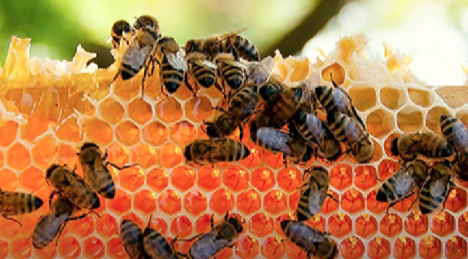
Affected by the warm winter and drought, this year the flowering rate of lychee and longan is only 20%, and the production of longan honey and lychee honey has also been affected as a result. Cheng Chin-kun, chairman of the Taiwan Beekeepers Association, explained that this year's longan and lychee honey production may be only 10%, and he hopes the Council of Agriculture can follow the agricultural natural disaster relief model and subsidize beekeepers for their losses during this period.
Cheng Chin-kun said that rainfall in southern Taiwan has been low from last October to now, with overall rainfall only 30% of the same period in previous years, causing the flowering rate of lychee to be only about 20%, and the flowering rate of longan to be even less than 10%, so bees can hardly collect nectar from the flowers of these 2 plants. Since the Council of Agriculture previously provided cash relief to lychee and longan fruit farmers during the drought, and the beekeeping industry is closely linked with these crops, he hopes to seek, on behalf of the association's more than 1,000 beekeeper members, relief funds under the agricultural natural disaster model to reduce losses, and will also propose to the Council of Agriculture that honey-collecting tools be included in subsidies for small farm tools.
A beekeeper surnamed Liu said that if longan and lychee bloomed abundantly in the previous year, then after the nutrients are consumed, the flowering situation the next year will be relatively poor. This year, affected by the warm winter and drought, plus good flowering last year, the flowering of longan and lychee trees this year is not as expected. In addition to a clear drop in the flowering rate, the flowers that did bloom had little nectar, and the harvest of these 2 kinds of honey is almost zero.
The beekeeper surnamed Liu explained that due to market mechanisms, longan and lychee honey may rise in price in the near future. During the period of poor flowering rates, they will collect the remaining royal jelly and pollen in the hives to supplement income, and wait until May arrives to release the bees to collect Chinese tallow honey. Because beekeeping depends on the weather, when longan flowers were in full bloom last year the bees had actually already collected enough honey, so much that it could continue to be sold this year. Therefore, although longan honey production has dropped sharply during this period, there is still inventory, so there will not be a shortage.
Fan Mei-ling, director-general of the Council of Agriculture's Department of Counseling, said that under the agricultural natural disaster relief measures, the main subsidies are for hardware facilities such as damaged beehives. Because lychee and longan are not the only nectar source plants for bees, and the beekeeping industry can move beehives to find nectar sources, they are not included among the relief recipients. Next Monday a meeting will be held to discuss revising the relief measures to provide protection for beekeepers, and at the same time they will also study including the beekeeping industry in the scope of subsidies for small agricultural machinery.