-
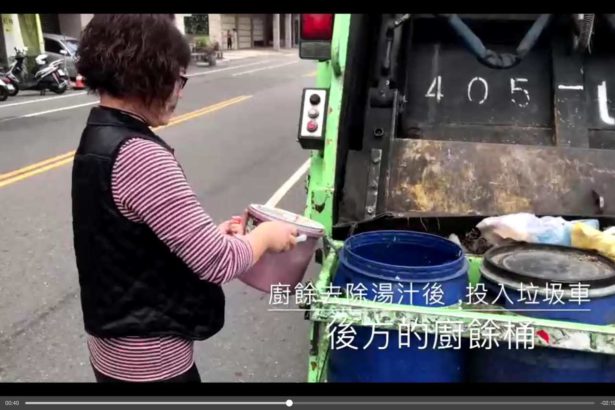
How many tons of food waste are produced every day? An analysis of disposal problems and organic fertilizer output
The battle between epidemic prevention and food waste, part 06: A full inventory of food waste generation and disposal capacity across Taiwan (the six special municipalities)
-
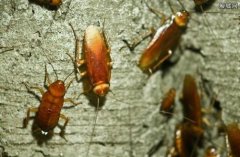
Is raising golden cockroaches highly valuable? Cost and benefit analysis
Did you know that farming cockroaches can also bring in big profits? So what are the prospects for cockroach farming? Just how high are the costs and benefits of cockroach farming? Let's take a look together. Hsieh Wei-yen is the largest cockroach breeder in all of Taiwan, cultivating nearly
-

Is 6.8 yuan per jin for Hami melon normal right now? Name origin and market analysis
**Hami melons make their maiden flight to Guangdong to celebrate the Mid-Autumn Festival
-

How to Grow Eupatorium for High Yield? A Full Analysis of High-Yield Cultivation Techniques
High-Yield Cultivation Techniques for Eupatorium
-
Analysis of the Reasons for the High Economic Returns of Winter Cultivation of Straw Mushrooms
Straw mushrooms (Volvariella volvacea) are a type of fungus that thrives in high temperature and high humidity, suited to growing in an environment of constant temperature and stable moisture. Therefore, moving the heat-loving straw mushroom to winter cultivation requires growing it in greenhouses with good insulation capacity, which increases cost inputs such as heating. However, straw mushrooms produced in winter sell for 2 times the price of those conventionally cultivated in summer, so appropriate adjustments should be made to the substrate formula and cultivation management, among other aspects, in order to increase the input-output ratio and improve economic returns. The main techniques for winter cultivation of straw mushrooms are introduced as follows: 1. Select a suitable substrate formula, build a pile and ferment the straw mushrooms.
-
What to Do If Silkworms Do Not Spin Cocoons? Cause Analysis and Control Methods
I. Causes of silkworms not spinning cocoons: 1. Pathological factors. For example, pebrine and flacherie are prone to infection and disease before mounting, which destroys the silk gland secretion function of silkworms, or the pathogens produce large amounts of toxic metabolites in the silkworm body, paralyzing the silkworm's nerves and preventing them from spinning silk and forming cocoons; 2. Physiological factors. The first is abnormality of the middle silk gland, mainly caused by rearing temperature being too high or too low, leaf quality being too tender, secretory gland disorder, etc., causing silk gland abnormality and preventing spinning; the second is abnormality of the anterior silk gland, mainly because during rearing
-
How to prevent and treat Eubacterium suis infection in pigs? A full analysis of methods and measures
Eubacterium suis (formerly known as Corynebacterium suis) is widely distributed in nature, and most strains are non-pathogenic; only a few are pathogenic and can cause acute or chronic infectious diseases in humans and animals. It is generally characterized by purulent or caseous pathological changes in certain tissues and organs. Clinically, it mainly causes urinary tract infections in sows. Pathogen and epidemiological characteristics: Eubacterium suis is a pleomorphic large bacillus. It ranges from spherical to rod-shaped, and the longer bacterial cells are swollen at one or both ends into a club shape, occurring singly or arranged in palisades or clusters. It is Gram-positive, with no flagella, capsule
-
How to prevent and treat avian encephalomyelitis? A full analysis of the key methods
Avian encephalomyelitis (AE) is an infectious disease of chicks caused by the avian encephalomyelitis virus, mainly affecting the nervous system, also known as epidemic tremor. Its main features are that affected chicks show ataxia, tremors of the head and neck muscles, leg paralysis, and paralysis; laying hens show a drop in egg production rate. I. Symptoms 1. Chicks. In the early stage of the disease, affected chickens are depressed and slow to respond; subsequently, some diseased chickens gradually develop ataxia and are unwilling to move; or they walk with an unsteady gait until they cannot stand; both hock joints rest on the ground, both wings are spread and drooping to the ground, and they barely flap their wings
-
Analysis of Limiting Factors in Cotton Production and Countermeasures (Part 2)
7. Main symptoms of premature senescence: First, after the peak boll-setting period of cotton, the leaves show interveinal chlorosis and yellowing; the yellowing leaves begin at the point farthest from the main stem and develop from top to bottom and from outside to inside, and the leaves gradually dry up and fall off. Second, in the late growth stage of cotton, the leaves turn red and lose their function of producing nutrients. The earlier the premature senescence of cotton appears, the more severe the yield reduction. Causes: First, the soil is poor and the soil fertility is insufficient. The soil nutrients cannot meet the requirements of cotton growth and development; second, fertilization is insufficient. In particular, potassium fertilizer and nitrogen fertilizer are insufficient, and some cotton farmers fear that when the amount of nitrogen applied is large, it will cause
-
Analysis of Cotton Production Misconceptions and Ways to Increase Yield Through Plant Protection (Part 5)
For more than a decade, with the widespread promotion of genetically modified insect-resistant cotton, cotton bollworm is no longer enough to make cotton farmers turn pale at the mention of pests. However, Fusarium wilt and Verticillium wilt have always been the "tightening band" giving cotton farmers headaches, aphids and red spider mites "stir up trouble" every year, cotton stink bugs and tobacco whiteflies have become increasingly rampant in recent years, and together with cotton bollworm suddenly breaking out in certain years, pesticide control of cotton is still an unavoidable matter. At the same time, there are also the following two serious problems in pest and disease control, which directly lead to
条件筛选