-

Analysis of High-Yield Grass Carp Farming Models and Supporting Technologies in Hunan Province
Teng's Aquaculture Business Network - Contemporary Aquaculture Magazine exclusive report: Hunan Province is one of the main production areas for grass carp (Ctenopharynodon idellus) in China, with grass carp...
-
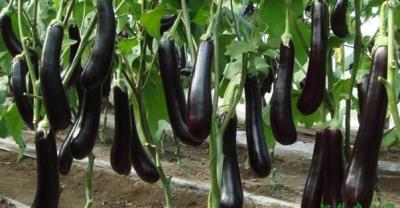
Analysis of Early-Maturing, High-Yield and High-Quality Eggplant Cultivation Techniques
For several years, eggplant cultivation was affected by problems such as a long seedling stage, difficult growth and development, and a relatively high mortality rate under continuous cropping on the same land, but in recent years...
-

How to prevent and control the invisible killer of pepper cultivation? Analysis of key methods
What is the "invisible killer" of peppers? Root-knot nematodes (Meloidogyne spp.), commonly known as "potatoes growing on roots," are a type of...
-
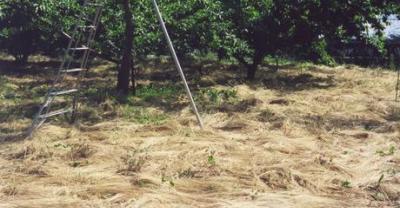
Analysis of the Difficulties, Requirements and Countermeasures in Eustoma (Lisianthus) Cultivation
Difficulties, requirements and countermeasures in Eustoma cultivation? Eustoma (Eustoma grandiflorum Shinn.), honored as the "thornless rose", belongs to the Gentianaceae family, genus Eustoma...
-

Analysis of the Current Status of the Boer Goat Farming Industry and Forecast of Its Development Trends
The analysis of the current status of the Boer goat farming industry and the forecast of its development trends are matters of great concern to the many Boer goat farmers. After interviewing Director Gao of the Shandong Fenghua Livestock Bo...
-
Can Growing Wild Vegetables Make You Rich? An Analysis of the Prospects and Profits of Wild Vegetable Farming
In the past era of material scarcity, wild vegetables that farmers used to stave off hunger when there was not enough grain to eat have now become the favorite of city dwellers, and have even become a signature dish...
-
A Complete Analysis of Pond Aquaculture Water Quality Requirements and Management Measures
With the development of high-density, intensive aquaculture production, the frequency of water quality changes in aquaculture water bodies has accelerated, causing eutrophication of pond water quality, and coupled with today's...
-

A Comprehensive Analysis of Ginseng Planting Techniques and Methods
Ginseng is called the "king of a hundred herbs" and is used for post-illness recovery, boosting physical strength, and more. It is a precious medicinal herb famous at home and abroad and known to young and old alike. Ginseng is neutral in nature, sweet in taste...
-
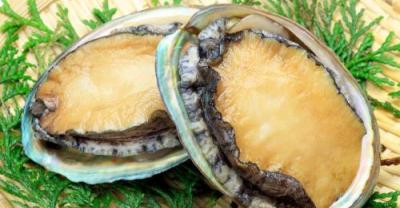
A Complete Analysis of Ammonia Nitrogen Sources and Degradation Methods in Aquaculture
What is ammonia nitrogen? Ammonia nitrogen refers to the combination of nitrogen present as free ammonia and ammonium ions in water. It is the main factor causing major toxicity to aquatic organisms. However, ammonium ions are not toxic. 1. Sources of ammonia nitrogen. There are four main sources of ammonia nitrogen: first, sludge. The deeper the pond sludge, the more, as temperature rises, large amounts of organic matter ferment and produce ammonia nitrogen; second, feed. After feed is digested by aquatic animals, feces and urine are excreted, producing large amounts of ammonia nitrogen. Next, residual bait is transformed by anaerobic bacteria into peptides and amino acids, and then into molecular ammonia and ammonium ion substances; third, fertilizers. Such as organic fertilizer, urea, nitrogen fertilizer, compound fertilizer, etc., are all foundations for producing ammonia nitrogen; fourth, various dead grasses and algae, which are converted into ammonia nitrogen under the action of anaerobic bacteria. 2. Ammonia nitrogen degradation. First, natural consumption. 1. Through nitrifying bacteria living in the oxygen in the water body, ammonia is converted into nitrite, and then converted by a second type of nitrifying bacteria into nitrate. Nitrate is a non-toxic substance and is converted by anaerobic bacteria into nitrogen gas, which rises and is released; 2. Algae and microorganisms. Ammonia nitrogen is also a eutrophic fertilizer. The more algae and microorganisms there are, the stronger their ability to absorb ammonia nitrogen, and the faster the ammonia nitrogen content is reduced; 3. Aquatic plants, such as water hyacinth, alligator weed, lotus root and other aquatic plants. Among them, water hyacinth has a particularly strong ability to consume ammonia nitrogen. One water hyacinth plant with 10 branches can consume the ammonia nitrogen excreted by 8 people in 24 hours. Second, artificial degradation. 1. Clean out sludge and use coke slag landfill for adsorption; 2. Control stocking density and feed bait reasonably; 3. Regularly use photosynthetic bacteria and lactic acid bacteria as well as organic acids and sodium humate for nitrifying degradation; 4. Add and change water and increase oxygen, and control and regulate water quality well. When molecular ammonia in the water body exceeds the standard, the oxygen-carrying capacity of the gill fluid of aquatic animals will decline, damaging the epidermal tissue of the gills, leading to poor oxygen exchange in the blood, and at the same time poisoning will occur. Its manifestations include damage to internal organs such as the liver, pancreas, and stomach, swelling of the gastrointestinal tract, infection after mucosal damage, secretion of large amounts of mucus, causing difficulty breathing and leading to death. Ammonia nitrogen is the number one killer of aquatic animals, and it is also the most difficult problem for aquaculture personnel to grasp and solve. Prevention and control must be carried out from the very beginning, with regular testing, and strict prevention of serious exceedances and long-term exceedances, so as to ensure the healthy and normal growth of aquatic animals.
-
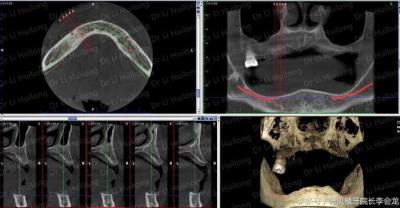
Dental Implants vs Porcelain Crowns: Which Is Better? A Comparative Analysis of the Differences
Shao Ge the veteran, here to chat about oral health issues~ After a dentist pulls out a broken tooth root, they will always ask whether you plan to get a porcelain crown or a dental implant. You may not know how to choose, but...
条件筛选